
Can Bearded Dragons Eat Cucumbers? The Safe Feeding Guide
This post contains affiliate links. As an Amazon Associate, we earn from qualifying purchases.
Bearded dragons can eat cucumbers, but only as an occasional, carefully prepared treat. You must peel the skin, remove all seeds, and chop the flesh into tiny pieces before mixing a small amount into a salad of calcium-rich greens. Feed cucumber no more than once a week to avoid nutritional imbalance and digestive upset.
Most owners see a cucumber and think “hydrating, healthy snack.” That’s the mistake. For a bearded dragon, a cucumber is mostly a bag of water with a problematic mineral profile. It fills their stomach without giving their body what it actually needs to build bone and metabolize protein.
This guide walks through the specifics most care sheets skip: the exact calcium-to-phosphorus math that makes cucumber a risky staple, how to prep an Armenian cucumber differently from a standard one, and the two-day timeline for when overfeeding shows up in their waste. You’ll also get a method to introduce cucumber to a greens-hating dragon without creating a picky eater.
Key Takeaways
- Cucumbers are 96% water and have a poor calcium-to-phosphorus ratio (about 1:1.5), which can hinder calcium absorption if fed too often.
- Always peel and deseed cucumbers before feeding; the skin causes impaction and the seeds are a choking hazard.
- Feed cucumber as a treat only once every 7–14 days, and always alongside calcium-dusted insects or greens like collard greens.
- Overfeeding cucumber leads to watery diarrhea within 24–48 hours and can contribute to metabolic bone disease long-term.
- For picky eaters, use a single, tiny cube of cucumber as a “flavor bridge” mixed into staple greens, not as the main attraction.
Why Cucumber Nutrition is a Double-Edged Sword
Look past the water. The real issue with cucumber is its calcium-to-phosphorus ratio. According to a detailed Reptile Nutrition Profile on cucumber, the ratio sits around 1 part calcium to 1.5 parts phosphorus. Beardies need a diet where calcium outweighs phosphorus by at least 2:1. Phosphorus binds to calcium in the gut, preventing its absorption. When you feed cucumber, you’re adding more of the mineral that blocks the one they need most.
Cucumber flesh is approximately 96% water by weight. It provides trace amounts of Vitamin K and potassium, but its macronutrient profile is dominated by moisture and fiber, not the protein or calcium required for reptilian growth and bone maintenance.
That doesn’t make cucumber evil. It makes it a tool for one job: hydration. A dragon recovering from mild dehydration, or one that stubbornly ignores its water bowl, can benefit from a few cucumber cubes. But using it as a daily green is like filling a car’s engine with coolant instead of oil. The system gets wet, but the critical parts grind themselves down.
TL;DR: Cucumber’s high water content and inverted calcium ratio make it a hydration aid, not a food. Rely on it and your dragon misses essential nutrients.
How to Safely Prepare Cucumbers for Your Bearded Dragon
The preparation is non-negotiable. I learned this the hard way with a juvenile named Spike. I gave him a slice of cucumber with the skin on, thinking the roughage would help. Two days later, he was straining in his enclosure and passed a plug of undigested green skin. The vet visit cost more than his entire setup. Now, the skin always comes off.
Follow this sequence exactly. Skipping a step risks impaction.
- Wash thoroughly. Run the cucumber under cold water while scrubbing with a vegetable brush. Even organic produce carries dirt and potential residues. Pat it dry.
- Peel completely. Use a standard vegetable peeler and remove every bit of the dark green skin. The waxy, fibrous skin does not break down in a bearded dragon’s gut.
- Deseed the core. Slice the peeled cucumber lengthwise. Use a small spoon or the tip of your knife to scrape out the wet, seedy center. The seeds are a choking hazard and offer zero nutritional value.
- Chop to size. Dice the remaining flesh into cubes smaller than the space between your dragon’s eyes. For adults, that’s roughly 1/4 inch cubes. For juveniles, go even smaller.
- Mix, don’t serve solo. Never offer a bowl of just cucumber. Fold a few cubes into a base of nutrient-packed greens like mustard greens or turnip greens.
Common mistake: Leaving the seeds in because they’re “soft”, the seeds clump together in the lower intestine, forming a sticky mass that can block digestion within a week of regular feeding.
The entire process takes five minutes. The consequence of rushing is a potential blockage that requires a vet to manually remove.
Armenian vs. Standard Cucumbers: Is There a Difference?
You might see longer, lighter-skinned Armenian cucumbers at the market. They are actually a different variety of melon (Cucumis melo). They often have thinner skin, fewer seeds, and a slightly better nutrient profile. The preparation rule still applies: peel and deseed. But their lower pesticide load and milder flavor can make them a better choice if your dragon is hesitant to try new textures.
| Cucumber Type | Skin Thickness | Seed Density | Best For |
|---|---|---|---|
| Standard Garden Cucumber | Thick, waxy | High, central core | General use when peeled thoroughly |
| Armenian Cucumber | Thin, tender | Low, scattered | Picky eaters or first introductions |
| English (Hothouse) Cucumber | Thin | Very low | Easier prep, less waste |
TL;DR: Peel, deseed, chop tiny, and always mix with staple greens. Armenian varieties are a marginally better option.
The Right Feeding Schedule and Portion Size
Feed cucumber like you’d offer a child candy, sparingly and with a full meal first. The maximum frequency is once a week. For dragons prone to loose stools or those with a perfect diet, stretch it to once every two weeks. A single serving should be no more than two or three small cubes mixed into their salad.
This schedule exists because of cumulative mineral imbalance. One feeding won’t hurt. But feeding cucumber every other day for a month floods their system with phosphorus and water, actively leaching calcium from their bones. Their body will pull calcium from skeletal stores to maintain blood levels, a direct path toward metabolic bone disease (MBD).
Juveniles need even stricter limits. Their bodies are building bone at a furious rate. Their vegetable intake should be dominated by calcium-rich choices like kale and broccoli florets (in moderation), not empty calories. A single cube once a week is plenty for a young dragon.
I prefer a 10-day rotation for cucumber in my own colony. It keeps the dragons interested in their salads without letting them develop a taste for the watery crunch over their dark leafy greens. The hydration boost is a side benefit, not the goal.
Compare it to other treats. Watermelon is another high-water, low-nutrient option. If you feed watermelon on a Saturday, push the cucumber treat to the following Wednesday. This variety prevents them from holding out for the sweet, watery stuff.
What Happens If You Feed Too Much Cucumber?
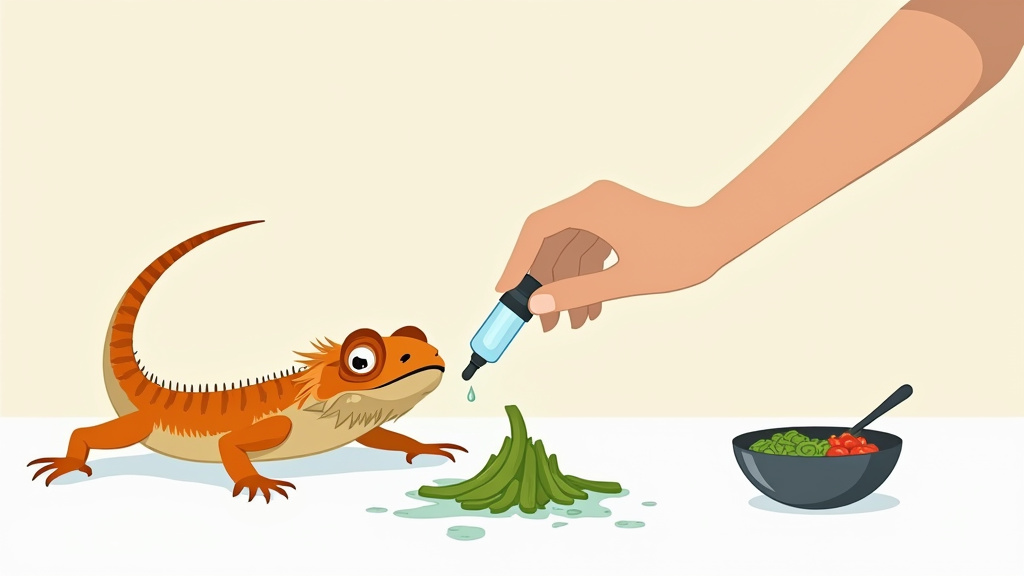
The first sign is always in the stool. Within 24 to 48 hours of a too-large serving, you’ll see loose, watery, or even completely liquid droppings. The smell is distinct, less pungent than normal, almost odorless because it’s mostly water. This is diarrhea, not just hydration. It flushes out gut flora and can lead to dehydration from electrolyte loss, which is ironic given cucumber’s purpose.
The long-term consequence is nutritional deficiency. A dragon fed cucumber daily will often refuse its staple nutritious vegetables. You’ll see lethargy, softer jawbones (a early sign of MBD), and poor shedding. The lack of protein and calcium manifests as weak limbs and a reluctance to climb.
If you see loose stools, stop all cucumber and other high-water foods like lettuce immediately. Offer extra water via a dropper to prevent dehydration from the diarrhea itself. Focus their diet on binding, fibrous greens like chopped green beans and bell peppers for a few days. Their system usually recalibrates within three days. If the diarrhea persists beyond 72 hours, a vet visit is needed to rule out parasites.
TL;DR: Overfeeding causes watery diarrhea in two days and nutrient deficiencies over weeks. Cut it out at the first sign of soft stool.
Introducing Cucumber to a Picky Eater (The Right Way)
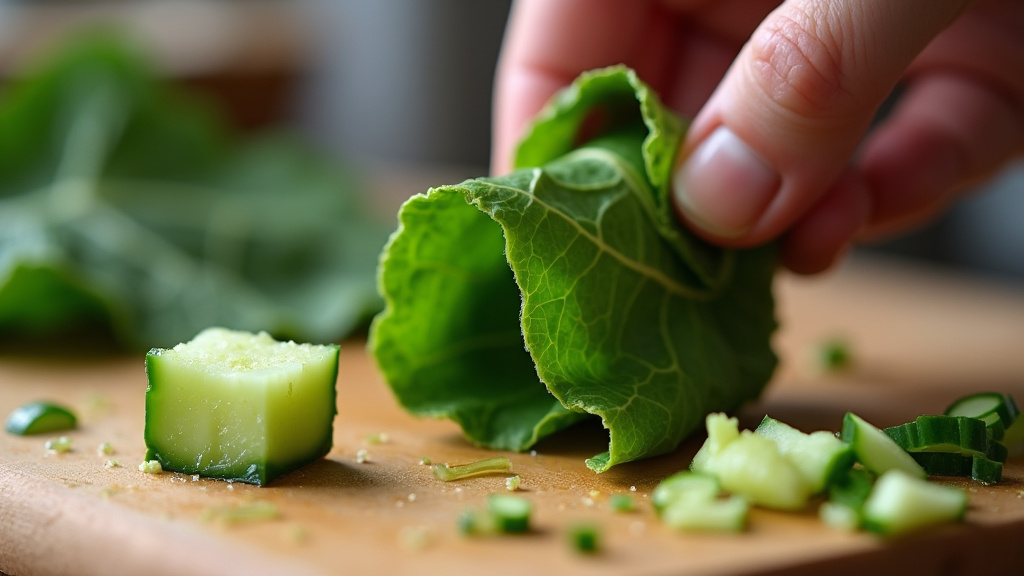
A dragon that refuses greens is a common headache. The worst thing you can do is give in and feed cucumber because “it’s the only vegetable he’ll eat.” That teaches them to hold out for the low-value food. Instead, use cucumber as a tool.
Take one single, tiny cube of prepared cucumber. Mash it slightly between your fingers to release its juice. Then, roll a piece of a staple green, like a snippet of collard greens or dandelion green, in that juice. The green now carries the cucumber’s scent and a hint of moisture. Offer that green piece first thing in the morning when your dragon is most hungry.
Another tactic is the “salad confetti.” Chop your cucumber cube into minuscule pieces, almost a pulp. Sprinkle this confetti over a bowl of their regular chopped greens. They’ll ingest the good greens while trying to pick out the cucumber bits. You can also use a tiny amount of bee pollen for this same trick, which is often more effective.
Common mistake: Replacing a refused salad with a bowl of cucumber, this rewards the hunger strike and guarantees the dragon will never touch a nutritious green again. It can take two weeks of stubbornness to break this habit once formed.
Be patient. A hunger strike for bugs can last a week. For greens, it can last longer. They will not starve themselves. Keep offering the prepared, cucumber-scented greens daily. Remove uneaten food after two hours and try again the next day. Consistency breaks the picky habit.
Cucumber vs. Other Hydrating Foods
Cucumber isn’t the only high-moisture option. Knowing the alternatives helps you build a varied, safe diet.
Zucchini is a superior choice. It has a slightly better calcium-to-phosphorus ratio, more fiber, and its skin is softer and often digestible if grated finely. Celery offers hydration with more crunch and fiber, but must be chopped extremely finely to avoid its stringy nature causing impaction. Watermelon and cantaloupe are fruits, meaning they have higher sugar. They should be treats rarer than cucumber.
| Food | Water Content | Primary Benefit | Risk if Overfed | Feed Compared to Cucumber |
|---|---|---|---|---|
| Cucumber | ~96% | Pure hydration | Calcium blockage, watery diarrhea | Base treat (once a week) |
| Zucchini | ~95% | Better fiber, softer skin | Mild digestive upset | Can replace cucumber 1:1 |
| Celery | ~95% | Crunchy fiber, jaw exercise | Stringy fibers cause impaction | Less frequent, finely chopped |
| Watermelon | ~92% | Vitamin A, enticing flavor | High sugar, diarrhea | Much less frequent (monthly) |
| Iceberg Lettuce | ~96% | None. Almost zero nutrients. | Severe nutritional deficiency | Never. Use romaine sparingly. |
The table shows a clear hierarchy. Zucchini is a direct upgrade. Celery requires more care. Watermelon is a special occasion treat. Iceberg lettuce is a dietary dead zone you should avoid entirely in favor of any other green.
TL;DR: For hydration with more nutrition, choose zucchini. For variety, use finely chopped celery rarely. Avoid iceberg lettuce completely.
Frequently Asked Questions
Can baby bearded dragons eat cucumber?
Yes, but in even tinier amounts. A piece the size of a single pea, once every two weeks, is maximum. Juveniles need nearly all their nutrition for growth to come from protein and calcium-rich foods. Cucumber fills their tiny stomachs without supporting bone development.
Do I need to remove cucumber seeds?
Always. The seeds are not toxic, but they are a mechanical hazard. They can cause choking or, more commonly, clump together in the digestive tract and create a blockage. Scraping out the seed core is a non-negotiable step in preparation.
My bearded dragon loves cucumber. Can I feed it daily?
No. This is the most dangerous common practice. Daily cucumber consumption guarantees an imbalanced diet. It leads to calcium deficiency, watery stools, and eventual metabolic bone disease. Their love for it is precisely why you must restrict it, they would choose it over healthier foods every time.
Can cucumber help with bearded dragon constipation?
In theory, the water and fiber can have a mild laxative effect. In practice, it’s a poor tool. The high water content can flush the system without addressing the impaction. Better options for constipation are a warm bath, a drop of pure olive oil, or grated squash like butternut. If constipation lasts more than two days, see a vet.
Are pickles safe for bearded dragons?
Absolutely not. Pickles are cucumbers cured in vinegar, salt, and spices. The high sodium content is toxic to reptiles, and the vinegar and garlic/onion flavorings are harmful. Only offer fresh, raw, prepared cucumber.
Before You Go
Cucumber is a safe, hydrating snack when you follow three rules: prepare it correctly, feed it rarely, and never let it crowd out better foods. Peel it, deseed it, chop it small, and mix a couple of pieces into a salad of staple greens once a week.
Remember the mineral math. That unfavorable calcium-to-phosphorus ratio is the silent reason it stays a treat. Balance it every time by dusting the accompanying salad with calcium powder. Watch their waste, it’s the first report card on your feeding choices.
For a dragon that turns up its nose at greens, use cucumber juice as a lure, not a surrender. A varied diet built on excellent staple greens like turnip and collard greens, supplemented with the occasional crunchy, watery bite, is what keeps them thriving for years.