
Can Bearded Dragons Eat Lettuce? The Vet-Verified Truth
This post contains affiliate links. As an Amazon Associate, we earn from qualifying purchases.
Can bearded dragons eat lettuce? Yes, but you shouldn’t make it a habit. Most lettuce, especially iceberg, is 96% water and fiber with almost no vitamins or minerals. It can cause diarrhea and displace the nutrient-rich greens your dragon needs. If you do feed lettuce, romaine is the only acceptable choice, and only as an occasional treat mixed into a salad of better greens.
The mistake is thinking lettuce is a healthy green. It’s not. It’s crunchy water. Handing your dragon a bowl of iceberg is like giving a toddler a diet of celery sticks and calling it lunch, they’ll fill up on nothing useful.
This guide cuts through the confusion. We’ll break down exactly why lettuce fails, which type is the least bad, and what you should be feeding instead. You’ll also get a clear plan for transitioning a lettuce-addicted dragon onto a proper diet.
Key Takeaways
- Iceberg lettuce is worthless. It’s 96% water, offers no meaningful nutrition, and risks causing diarrhea and nutritional deficiencies.
- Romaine lettuce is the only lettuce you should ever consider. It has some vitamins and a better calcium-to-phosphorus ratio, but it’s still a treat food, not a staple.
- Never feed lettuce to baby bearded dragons. Their digestive systems are too immature and their growth demands protein and calcium, which lettuce lacks.
- The real danger is nutrient displacement. Every bite of lettuce is a bite your dragon isn’t taking of collard greens, mustard greens, or dandelion greens, the foods that actually keep them healthy.
- The fix for a picky eater is tough love. If your dragon holds out for bugs, you stop the bugs. They will eat their greens when they’re hungry enough.
What’s the Problem with Lettuce?
Head design changes the entire process. Look at the business end of your trimmer.
Lettuce fails as bearded dragon food on two fronts: nutritional poverty and physical risk. The primary issue is water content. Iceberg lettuce is about 96% water by weight. Romaine isn’t much better.
The high water content in common lettuces provides negligible nutrition and can dilute digestive enzymes, leading to runny stools and an imbalance in the gut’s bacterial flora within 24-48 hours of consumption.
Feeding a bowl of this daily floods the gut. It can wash out the beneficial microbes that help break down tougher, fibrous vegetables. The result is often loose, watery stools. You’ll see the undigested, pale green remnants in their enclosure. More critically, lettuce is a nutrient blocker. Its bulk fills your dragon’s stomach, leaving no room for the foods that provide the calcium, vitamin A, and other compounds essential for bone health, eyesight, and organ function. A dragon that fills up on lettuce is slowly starving on a cellular level.
TL;DR: Lettuce is mostly water, risks digestive upset, and takes up stomach space that should be reserved for nutritious greens.
Iceberg vs. Romaine vs. Arugula: A Breakdown
Not all lettuce is created equal, but none are good staples. This table shows why.
| Lettuce Type | Primary Issue | Nutritional Value | Feed Recommendation |
|---|---|---|---|
| Iceberg | ~96% water, almost no vitamins/minerals. | Negligible. Contains trace folate and vitamin K. | Never. Offers nothing but risk of diarrhea. |
| Romaine | High water content, suboptimal calcium-to-phosphorus ratio (~1:1). | Contains vitamins A, C, K, folate, some calcium. | Occasional treat only. 1-2 times per month, finely chopped and mixed with staple greens. |
| Arugula | Very high oxalate content. | Good source of vitamins A, C, K, and calcium, but the calcium is bound by oxalates. | Extreme rarity, if ever. Oxalates bind calcium and can contribute to metabolic bone disease over time. |
The calcium-to-phosphorus ratio is the silent killer in mediocre greens. Bearded dragons need a diet where calcium outweighs phosphorus by a ratio of 1.5:1 to 2:1. This allows for proper absorption. Romaine lettuce has a ratio close to 1:1. Feeding it regularly means your dragon is getting just enough phosphorus to cancel out the calcium it consumes. You can dust with supplement all day, but if the underlying food has a bad ratio, you’re fighting a losing battle.
Arugula is a different problem. It’s often touted as a “supergreen,” but for reptiles, it’s a trap. Its high oxalate content acts like a magnet for calcium and other minerals, forming crystals the body cannot absorb. Regular feeding of high-oxalate greens like arugula or spinach is a direct path to calcium deficiency.
Common mistake: Switching from iceberg to romaine and thinking the problem is solved, romaine is still low-nutrient and high-water, and relying on it will still lead to long-term vitamin deficiencies.
Why Baby Bearded Dragons Should Never Eat Lettuce
This isn’t a matter of preference. It’s a matter of physiology. Baby and juvenile bearded dragons (under 4-6 months) have digestive systems built for speed and growth, not for processing water-logged, fibrous plants.
Their diet should be roughly 80% protein (insects) and 20% plant matter. That 20% needs to be packed with nutrients to support rapid bone and tissue development. Lettuce provides none of the required calcium or protein. Furthermore, their tiny digestive tracts are more susceptible to impaction and microbial imbalance. The excess water from lettuce can disrupt their gut flora quickly, leading to diarrhea that dehydrates them, a dangerous situation for a small animal.
Authoritative sources like the EnviroLiteracy bearded dragon lettuce guide explicitly warn against feeding lettuce to babies due to these immaturity and impaction risks. The takeaway is absolute: wait until your dragon is a sub-adult, at least 6 months old, before even considering a tiny piece of romaine as a rare curiosity.
The Best Greens for Your Bearded Dragon
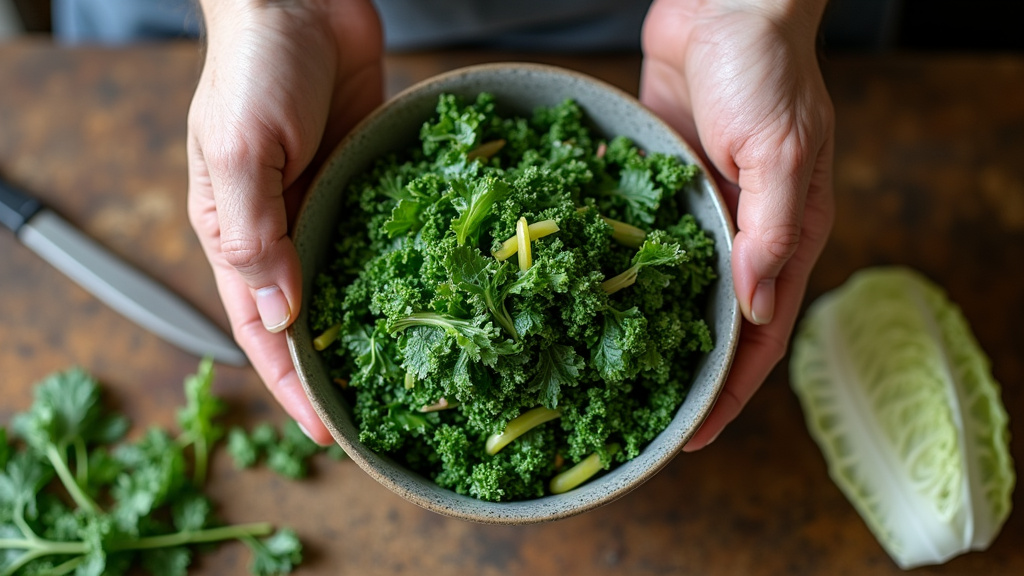
Forget lettuce. Build your dragon’s salad bowl around these proven, nutrient-dense staples. These greens have the right calcium-to-phosphorus ratios, low oxalates, and the vitamin profiles your pet needs.
| Staple Green (Feed Daily) | Key Benefit | Preparation Note |
|---|---|---|
| Collard Greens | Excellent calcium, low oxalates, high vitamin A. | Remove tough central stem, chop leaves finely. |
| Mustard Greens | Great calcium-to-phosphorus ratio, high in antioxidants. | Often more palatable; a good “gateway” green for picky eaters. |
| Turnip Greens | Similar profile to mustard greens, very high in calcium. | The greens are the prize; the root is a separate, occasional treat. |
| Dandelion Greens | Fantastic all-around nutrition; high in calcium and beta-carotene. | Harvest from pesticide-free areas or buy organic. Wash thoroughly. |
| Escarole / Endive | Low oxalate, good hydration with more nutrients than lettuce. | A good mild-flavored green to mix in for variety. |
These are the workhorses. They should make up 80-90% of the plant matter you offer. The remaining 10-20% can be for variety and fun, think finely chopped bell peppers, a few bits of squash, or the occasional berry.
I made the mistake early on of over-relying on spring mix because it was easy. It contained a lot of baby spinach and arugula. Within a few months, my dragon, even with calcium dusting, started showing subtle signs of weaker grip strength. I switched cold-turkey to a base of collard and mustard greens. The change in his activity level and the solidity of his stools was noticeable within two weeks. Now, I use a simple rule: if the green is dark and leafy, it’s probably a good bet. If it’s pale and watery, it’s probably lettuce, and it stays out of the bowl.
TL;DR: Your dragon’s salad bowl should be built on dark, leafy greens like collard, mustard, and dandelion greens. These provide the calcium and vitamins lettuce never will.
How to Feed Lettuce Safely (If You Must)
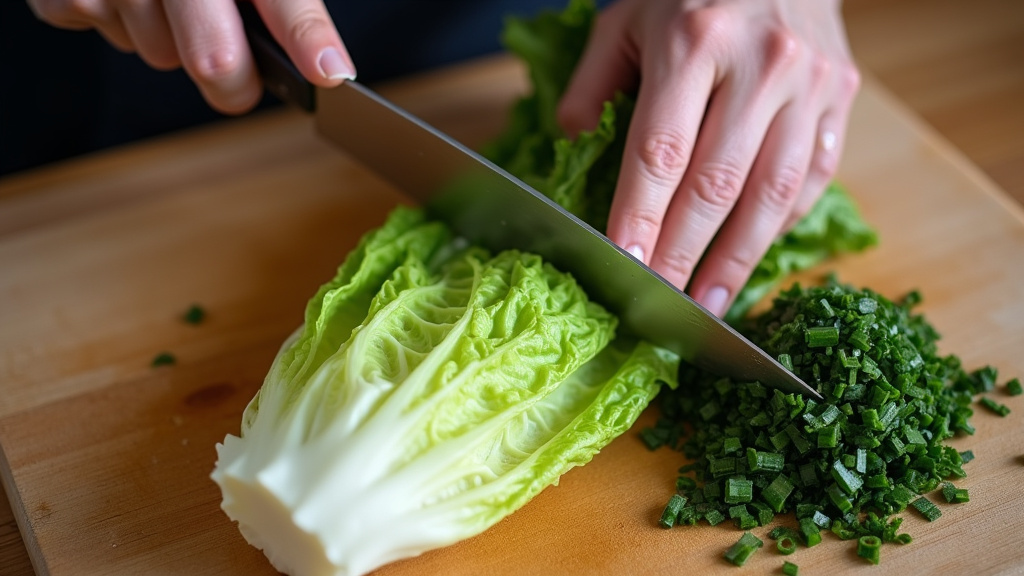
Sometimes you have a head of romaine in the fridge and you wonder. Here’s the only safe protocol, reserved for adult dragons.
- Select one single, inner leaf of romaine. Avoid the outer, tougher leaves and any that are wilted or browned. Confirm it is romaine, not iceberg or butter lettuce.
- Wash it under cold, running water. Rub the leaf surface to remove any potential pesticide residue. Pat it dry with a paper towel, this removes some surface water.
- Chop it finely. Pieces should be no larger than the space between your dragon’s eyes. This prevents choking and makes it easier to mix.
- Mix it sparingly with staple greens. Use a ratio of about 1 part chopped romaine to 4 parts chopped collard or mustard greens. The romaine should be a minor component, not the main event.
- Offer the mix and observe. Remove any uneaten salad after 2-3 hours. Over the next day, watch their droppings. If you see unusually loose or watery stool, lettuce is off the menu for your dragon.
I’ll use a single romaine leaf as a “binder” for powdered calcium supplement if my dragon is being fussy about dusted crickets. The slight moisture helps the powder stick. That’s the extent of its utility in my routine.
Skipping the drying step leaves more free water on the leaf, which increases the risk of diarrhea. Chopping it too large means they might eat around the good greens to get to the easier-to-eat romaine. The entire goal is to minimize the lettuce’s impact while using it as a tool to deliver better nutrition.
Fixing a Dragon That’s Hooked on Lettuce
So your dragon turns its nose up at collard greens and stares at you until you give in with the romaine. This is a behavior problem you created, and you can fix it. The method is simple but requires resolve.
- Stop all insect feedings. This is the hardest part. Your dragon will not starve itself. A healthy adult can go a week or more without food. They will hold out. You must hold out longer.
- Offer a fresh, appealing salad of staple greens daily. Chop them finely. You can add a very tiny, enticing treat like a single blueberry or a sliver of bell pepper on top.
- Remove the uneaten salad each evening. Do not leave it to wilt. Start fresh every morning.
- Wait. They will eat. Hunger is a powerful motivator. The moment they take a few bites of the good greens, you can reward them with a limited insect feeding later that day.
The principle is non-negotiable: no greens, no bugs. Breaking this cycle might take three days, it might take seven. It feels cruel. It isn’t. Letting them develop metabolic bone disease from a poor diet is cruel. This process retrains their expectation and establishes that nutritious greens are food.
Common mistake: Giving in and offering a bug “because they look hungry”, this teaches the dragon that holding out works, resetting the entire training process and making the next hunger strike longer.
Frequently Asked Questions
Can bearded dragons eat iceberg lettuce?
No. Iceberg lettuce is 96% water with virtually no nutritional value for bearded dragons. It can cause diarrhea and will fill them up without providing any of the vitamins or minerals they require, leading to deficiencies.
What about romaine lettuce?
Romaine lettuce is less harmful than iceberg but is still not a good food. It has some vitamins and a better mineral profile, but its high water content and suboptimal calcium-to-phosphorus ratio make it suitable only as a very occasional treat, not a regular part of the diet.
Is arugula safe for bearded dragons?
Arugula is not recommended. While it contains vitamins, it is very high in oxalates, which bind to calcium and prevent its absorption. Regular consumption can contribute to calcium deficiency and metabolic bone disease.
How do I get my bearded dragon to eat healthier greens?
Stop feeding insects and offer only chopped, nutritious greens like collard or mustard greens daily. Your dragon will eat when it is hungry enough. This “tough love” approach is the most effective way to break a preference for lettuce or a refusal to eat vegetables.
The Bottom Line
Lettuce is a dietary dead end for bearded dragons. Iceberg is pointless, romaine is a mediocre treat, and arugula is a calcium thief. The real cost of lettuce isn’t immediate toxicity; it’s the slow, cumulative deficit of nutrients that should come from superior greens like collard, mustard, and dandelion.
Your dragon’s health is built in its salad bowl. Fill that bowl with the dark, leafy staples that provide the foundation for strong bones, good vision, and a robust immune system. Use lettuce, if at all, as a rare garnish, not the main ingredient. The difference shows up in their energy, their shedding, and their lifespan.