
Can Bearded Dragons Eat Corn? Vet-Approved Safety Facts
This post contains affiliate links. As an Amazon Associate, we earn from qualifying purchases.
Bearded dragons can eat corn, but only raw kernels from a fresh cob, chopped into tiny pieces, and served as a rare treat no more than once a month. It is not a staple food and offers minimal nutritional benefit compared to its risks.
Most owners see a vegetable and think “healthy.” They toss a few kernels into the salad, pleased to add variety. The dragon eats it without complaint, so they do it again next week. This is how a slow-moving nutritional problem starts, one that doesn’t show symptoms until a young dragon’s jaw softens or its legs begin to bow.
This guide breaks down the exact science of why corn is a low-value food, lists every unsafe form you must avoid, and gives you a clear list of superior vegetables to feed daily instead.
Key Takeaways
- Corn has a terrible calcium-to-phosphorus ratio (about 1:12), which actively blocks calcium absorption and can lead to metabolic bone disease.
- The only safe form is raw, fresh, organic corn kernels cut into pieces smaller than the space between your dragon’s eyes.
- Never feed canned corn, cooked corn, popcorn, or corn still on the cob. The additives, salt, and choking hazards are severe.
- Even as a treat, limit corn to once a month or less. It is a filler, not a nutrition source.
- Prioritize staple greens like collard greens, dandelion greens, and escarole, which have ideal calcium ratios and the vitamins your dragon actually needs.
The Core Problem: Corn’s Calcium-to-Phosphorus Ratio
The central issue isn’t toxicity. Corn won’t poison your dragon after one bite. The danger is in its mineral profile, specifically the relationship between calcium and phosphorus. Bearded dragons require a diet where calcium significantly outweighs phosphorus, ideally at a 1.5:1 or 2:1 ratio. This balance is non-negotiable for bone formation, nerve function, and muscle health.
Corn’s calcium-to-phosphorus ratio is inverted and extreme, roughly 1:12. For every 1 mg of calcium, it contains about 12 mg of phosphorus. High dietary phosphorus binds with calcium in the gut, preventing its absorption. Over time, the dragon’s body pulls calcium from its own bones to maintain blood levels, leading to metabolic bone disease.
You won’t see this happen after one feeding. Metabolic bone disease is a creeping condition. The first signs are subtle: decreased appetite, softer jaw, slight tremors when lifting the body. By the time limbs are visibly bent or swollen, the skeletal damage is advanced and often irreversible. Feeding corn regularly, even in small amounts, contributes directly to this imbalance.
TL;DR: Corn’s 1:12 calcium-to-phosphorus ratio actively leaches calcium from your dragon’s bones. It’s a direct contributor to metabolic bone disease, not just empty calories.
What About Corn’s Other Nutrients?
Corn does contain some vitamins and fiber. It has vitamin C, some B vitamins like B6 and folate, and minerals like magnesium and potassium. The starch provides quick energy. This nutritional snapshot is why people think it’s a healthy choice.
It’s a mirage. The amounts are trivial for a bearded dragon’s needs. More critically, corn is notably low in vitamins A and D3, which are essential for immune function and, in the case of D3, for calcium metabolism itself. The fiber, while present, is the type that can be difficult for their digestive system to break down fully, sometimes leading to bloating or discomfort.
Compare it to a true staple green. The difference in nutritional priority is stark.
| Nutrient Focus | Corn (Raw Kernels) | Collard Greens (Chopped) |
|---|---|---|
| Calcium (mg per 100g) | ~2 mg | 145 mg |
| Phosphorus (mg per 100g) | ~89 mg | 10 mg |
| Calcium-to-Phosphorus Ratio | 1:44.5 (Very Poor) | 14.5:1 (Excellent) |
| Primary Benefit | Provides trace B vitamins, starch | High calcium, vitamin A, vitamin K |
| Risk if Overfed | Metabolic bone disease, digestive bloating | Low risk; a daily staple food |
The table makes the choice obvious. Building a diet around corn is like building a house on sand. You might see a structure, but it has no foundation. A proper balanced nutrition guide focuses on foods that build that foundation every day.
What Kind of Corn is Actually Safe?
The safety window is extremely narrow. If you choose to offer corn as a novelty, you must follow these rules without exception.
The ONLY acceptable form is:
- Fresh, raw organic corn on the cob. Organic minimizes pesticide exposure.
- Kernels removed from the cob. The cob itself is indigestible and a major impaction risk.
- Kernels chopped into tiny pieces. Each piece must be smaller than the space between your dragon’s eyes to prevent choking.
The preparation takes two minutes. Rinse the cob. Slice off a few rows of kernels with a sharp knife. Chop those kernels on a board until they’re a confetti. Mix two or three of those pieces into a large salad of proper greens. That’s it.
The Absolute “No” List: Corn Types That Are Dangerous
This list is non-negotiable. Each item here poses a direct health threat.
- Canned Corn: Loaded with added sodium and preservatives. A dragon’s kidneys cannot process this salt load. It leads to dehydration and kidney strain.
- Cooked Corn (boiled, steamed, grilled): The cooking process degrades the already minimal nutrients. It often introduces butter, oil, or spices that are harmful. The texture also becomes a gummy choking hazard.
- Popcorn: A severe impaction and choking risk. The hard, sharp hulls can lacerate the digestive tract or cause a fatal blockage.
- Corn Husks & Cobs: Completely indigestible. These are the most common causes of corn-related intestinal blockages.
- Flavored Corn (kettle corn, caramel corn): Contains sugar, oils, and flavorings that disrupt gut flora and can cause digestive upset.
Common mistake: Assuming “all corn is corn” and giving a few kernels of canned corn from a salad — the sodium content in a single serving can exceed a dragon’s safe limit for a week, stressing its kidneys immediately.
I learned this the hard way years ago with a rescue dragon. The previous owner had been giving it occasional canned green beans and corn. The dragon was lethargic and slightly puffy. Our vet identified early-stage kidney stress from the chronic sodium intake. We cut all processed vegetables, hydrated aggressively, and its energy returned in two weeks. I now treat any canned vegetable as strictly as I treat insecticide.
How Often Can Bearded Dragons Eat Corn?
The frequency is “almost never.” Treat corn as a once-a-month novelty, if at all. For baby and juvenile dragons, the recommendation is even stricter: avoid it completely.
Young dragons are in a critical growth phase where every calorie and mineral must support rapid bone and tissue development. Feeding them a phosphorus-heavy, low-calcium food like corn actively sabotages this process. Their dietary needs are too urgent for empty fillers.
For a healthy adult, a single serving per calendar month is the absolute maximum. A “serving” is 2-3 of the tiny, chopped pieces mixed into a much larger base of staple greens. This frequency minimizes the mineral interference while satisfying an owner’s desire to offer something different. A better strategy is to explore other safe, more nutritious treats like a small piece of bell pepper or zucchini.
What to Feed Instead: Superior Vegetable Staples
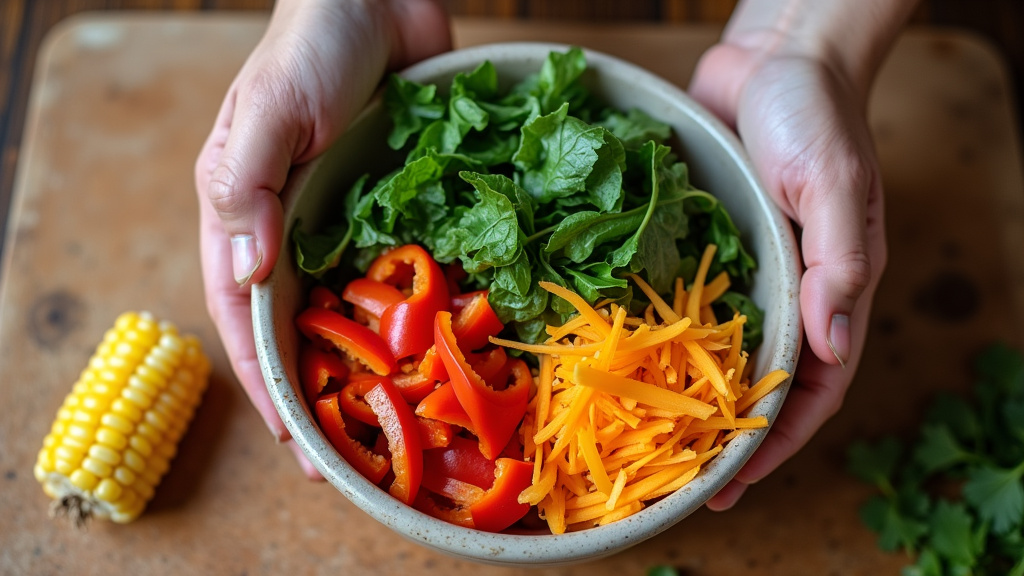
This is the most important part. Knowing what not to feed is useless without knowing what to feed. Your dragon’s daily salad should be built from high-calcium, nutrient-dense greens and vegetables. These foods provide the vitamins and minerals corn lacks, with the correct calcium-to-phosphorus ratios.
Build your daily salads around these staple greens:
- Collard greens
- Dandelion greens (leaves and flowers)
- Escarole
- Endive
- Mustard greens
Add these regular vegetables for variety and nutrients:
- Butternut squash (shredded)
- Bell peppers (all colors, chopped)
- Green beans (trimmed and chopped)
- Zucchini (shredded or chopped)
- Parsley or cilantro (in moderation)
These are not just alternatives; they are the core of a healthy ideal staple vegetables plan. A salad of collard greens, shredded squash, and a few pieces of bell pepper provides vitamin A, ample calcium, hydration, and fiber without the baggage of corn. For a deep dive into constructing these meals, our guide to healthy bearded dragon salads breaks down the perfect ratios.
I prefer a base of collard and dandelion greens over spring mixes. Not just for the calcium, but because the tougher leaf structure encourages chewing and produces firmer, healthier stool. Spring mixes wilt too fast in the heat and often lack nutritional density.
Frequently Asked Questions
Can bearded dragons eat corn from a can?
No. Never feed canned corn to a bearded dragon. The high sodium content is toxic to their kidneys, and preservatives can cause digestive upset. The only potentially safe form is fresh, raw corn kernels removed from the cob.
Is corn good for a bearded dragon’s digestion?
Not particularly. While it contains some fiber, the type of starch and fiber in corn can be difficult for them to process fully, potentially leading to gas or bloating. It offers no digestive benefits over staple greens like collard or dandelion greens.
Can baby bearded dragons eat corn?
It is strongly recommended to avoid feeding corn to baby bearded dragons. Their rapid growth demands optimal calcium absorption. The poor calcium-to-phosphorus ratio in corn directly interferes with critical bone development, posing an unnecessary risk.
What vegetables are better than corn for bearded dragons?
Focus on leafy greens with excellent calcium ratios. Collard greens, dandelion greens, and escarole are far superior daily staples. For more vegetable variety, incorporate bell peppers nutritional benefits or zucchini nutritional value, which offer vitamins and hydration without the phosphorus load.
Will a little bit of corn hurt my bearded dragon?
single, properly prepared kernel once in a great while is unlikely to cause immediate harm. The danger is cumulative and habitual. Regular feeding, even in small amounts, contributes to mineral imbalance over time. It’s a risk with zero nutritional reward.
The Bottom Line
Corn is a textbook example of a “safe but not beneficial” food for bearded dragons. It isn’t poisonous, but its nutritional profile is all wrong for them. The terrible calcium-to-phosphorus ratio makes it a net negative in their diet.
The safe protocol is simple yet strict: only fresh, raw, organic kernels, chopped microscopically, served as a rare novelty maybe once a month. Any deviation from that—canned, cooked, on the cob, or too frequent—introduces real health risks.
Your dragon’s health is built daily in its salad bowl. Skip the filler. Invest those calories into proven, nutrient-packed staples like collard greens, dandelion greens, and bell peppers. That’s how you build a strong, active, resilient pet for the long term. For a complete framework, consult the BeardedDragon.org safe food list, a trusted community resource that aligns with expert veterinary guidance.