
Feeding Green Beans to Bearded Dragons: What You Must Know
This post contains affiliate links. As an Amazon Associate, we earn from qualifying purchases.
Yes, bearded dragons can eat green beans. They are a non-toxic vegetable that can be offered as an occasional part of a varied diet. Feed raw, chopped green beans to adults once or twice per week, and to juveniles even less frequently, due to their suboptimal calcium-to-phosphorus ratio and oxalate content.
Most owners get this wrong by focusing only on the “yes” and missing the “how.” They serve green beans daily or reach for the canned variety from their pantry. That routine builds a calcium deficiency over months.
This guide covers the precise preparation, exact feeding schedule by age, and the specific nutritional trade-offs that make green beans a sometimes-food, not a staple. You will learn what to pair them with and the clear physical signs that you are feeding them too often.
Key Takeaways
- Green beans have a near 1:1 calcium-to-phosphorus ratio and contain oxalates, both of which hinder calcium absorption and can contribute to metabolic bone disease if overfed.
- Feed raw, fresh green beans only. Canned beans are toxic due to high sodium, and frozen are acceptable only if plain and thawed.
- For adult bearded dragons, offer about two pods’ worth, chopped, once or twice weekly. For babies and juveniles, limit to one pod twice a month.
- Always chop green beans into pieces smaller than the space between your dragon’s eyes to prevent choking and impaction.
- Green beans should never be the main green. Pair them with high-calcium staple greens like collard, mustard, or dandelion greens to balance the meal.
The Green Bean Verdict: Safe, But With a Catch
Green beans are safe. VCA Animal Hospitals, a leading veterinary network, includes them on their list of acceptable vegetables. The catch is in their nutritional profile, not their toxicity.
The primary issue is twofold. First, green beans have a calcium-to-phosphorus ratio of roughly 1:1. Bearded dragons require a diet where calcium outweighs phosphorus by at least 2:1. Phosphorus binds to calcium in the gut, blocking its absorption. Second, green beans contain oxalates. These compounds also latch onto calcium, making it unusable.
Fresh raw green beans (Phaseolus vulgaris) provide hydration, fiber, vitamins A, C, and K, and a small amount of plant-based protein. Their fiber content can aid digestion, but their calcium-to-phosphorus ratio of approximately 1:1 and presence of oxalic acid necessitate cautious, limited feeding.
Feed them like a treat, not a cornerstone. Your dragon might love the crunch, but its skeleton needs the right minerals more.
TL;DR: Green beans are safe in strict moderation due to poor calcium availability. They are a supplemental vegetable, not a dietary foundation.
Why Frequency Matters: The MBD Risk You Cannot See
Metabolic bone disease (MBD) is the silent consequence of chronic calcium deficiency. It does not happen after one meal of green beans. It develops over months of a diet skewed toward high-phosphorus, high-oxalate foods.
The body pulls calcium from bones to maintain critical blood calcium levels for nerve and muscle function. This leads to soft, rubbery jaws, swollen limbs, tremors, and eventually paralysis. An adult dragon fed green beans daily alongside other moderate-oxalate veggies is on that path. A juvenile on that diet will show symptoms faster.
Common mistake: Feeding green beans daily because they are “healthy” — the cumulative phosphorus and oxalate load blocks calcium uptake. Within 4-6 months, you may notice a slight tremor in the front legs or a reluctance to climb.
This is why we have terms like “staple,” “occasional,” and “rare” for bearded dragon greens. Green beans fall firmly into the “occasional” category. Their place is to add variety and texture to a salad built on a foundation of superior greens.
TL;DR: Daily green beans contribute to long-term calcium deficiency and metabolic bone disease. Limit them to weekly for adults.
How to Prepare Green Beans for Your Bearded Dragon
Preparation is non-negotiable. The right method maximizes safety and minimizes risk. The wrong method introduces immediate hazards.
Start with fresh, raw green beans. Hold a pod up to your dragon’s face. The piece you feed should be no longer than the distance between its eyes. That is your visual guide. Use a sharp knife to cut them into chunks or short segments.
Wash them under cool running water for 30 seconds, rubbing with your fingers. This removes surface pesticides and dirt. Do not use soap or veggie wash.
The table below contrasts the safe preparation methods with the dangerous ones you must avoid.
| Preparation Method | Status | Reason |
|---|---|---|
| Fresh, Raw, Chopped | Safe | Preserves nutrients, no added toxins. |
| Plain Frozen (Thawed) | Acceptable | Convenient, but check for added salt or preservatives. |
| Canned | Toxic | High sodium and preservatives damage reptile kidneys. |
| Cooked with Oil/Butter | Dangerous | Fats and dairy are indigestible and cause gastrointestinal upset. |
| Seasoned (Garlic, Salt, Onion) | Poisonous | These ingredients are toxic to reptiles and can cause fatal anemia. |
Never cook green beans for your dragon. Cooking leaches nutrients and often involves oils or seasonings. Raw is nutritionally superior and safer.
TL;DR: Feed only raw, washed, and finely chopped fresh green beans. Ban canned, cooked, and seasoned beans completely.
The Exact Feeding Schedule by Age
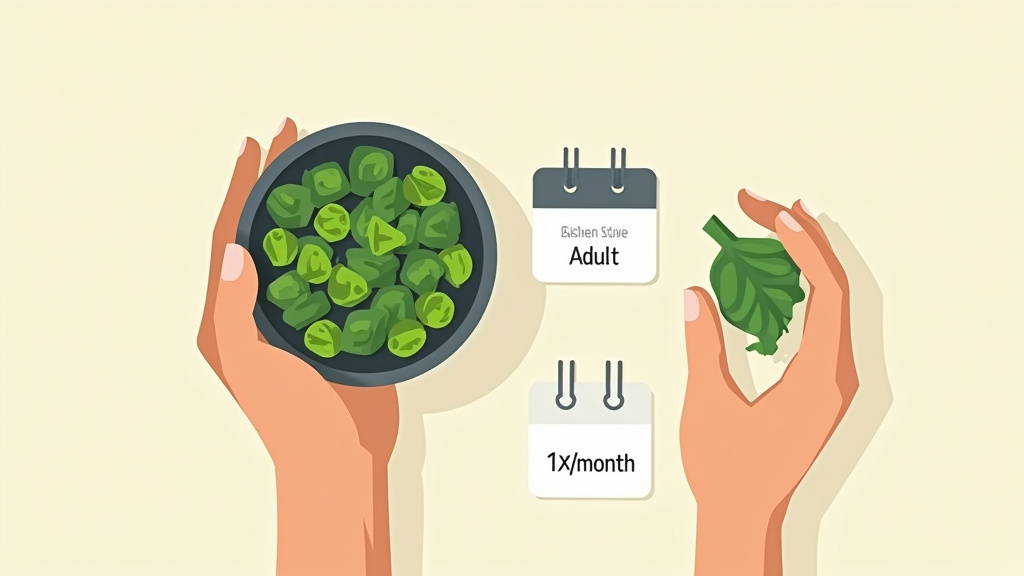
A baby dragon and an adult have vastly different nutritional needs. Protein for growth versus fiber for maintenance. This changes how you schedule green beans.
For adult bearded dragons (over 18 months), green beans can constitute about 20-30% of their vegetable salad. That translates to roughly two medium pods, chopped, once or twice per week. I fed mine every Tuesday as part of a mixed salad. It created a routine and prevented overuse.
For juveniles and babies (under 18 months), their primary focus is insect protein for growth. Their smaller bodies are also more vulnerable to nutrient imbalances. Offer a single pod’s worth of chopped green beans no more than twice a month. Think of it as a monthly treat, not a weekly ingredient.
I made the mistake of offering green bean pieces too often to a young dragon I was rehabilitating. His growth was slow, and his limbs seemed less sturdy than his clutchmates’ after three months. We cut out the green beans and boosted his calcium-dusted dubia roaches and collard greens. His activity and strength improved within six weeks.
Stick to these limits. If you are mixing a salad, the green beans should be outnumbered by the staple greens.
What to Feed With Green Beans: Building a Balanced Salad
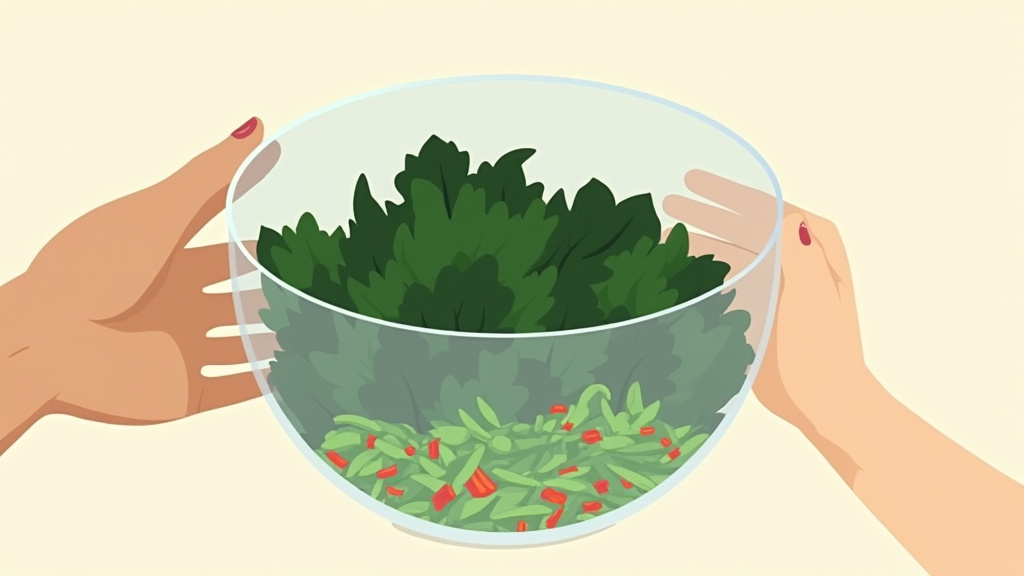
A green bean is not a meal. It is a component. The bulk of your dragon’s vegetable intake must come from nutrient-dense, low-oxalate staple greens.
Your goal is to counterbalance the green beans’ weak points with greens that have excellent calcium-to-phosphorus ratios. Here are the top staples to mix in:
* Collard Greens: The gold standard. High calcium, low oxalates.
* Dandelion Greens: Excellent calcium and vitamins. Pick from untreated lawns.
* Mustard Greens: A nutritious and flavorful staple.
* Endive / Escarole: Great for hydration and variety.
* Turnip Greens: Another high-calcium option.
When you build the salad, the staple greens should make up 70-80% of the bowl. The remaining 20-30% can be a mix of occasional items like green beans, bell peppers, and zucchini. This mix ensures the overall meal’s nutritional profile supports health.
For a complete list of options and their classifications, our guide on safe vegetables for bearded dragons breaks everything down by frequency and nutritional value.
Green Beans vs. Other Beans: A Critical Distinction
This is where confusion causes real harm. “Green beans” or “string beans” are safe in moderation. Almost all other beans are dangerous.
Kidney beans, black beans, lima beans, chickpeas, and baked beans are not safe. They contain high levels of lectins and phytic acid. Lectins can disrupt the digestive lining and cause gastric distress. Phytic acid is a potent antinutrient that binds to minerals like calcium, iron, and zinc, preventing your dragon from absorbing them.
The table below provides a quick reference to keep your dragon safe.
| Bean Type | Safe for Bearded Dragons? | Primary Risk |
|---|---|---|
| Green Beans / String Beans | Yes, in moderation | Oxalates & phosphorus |
| Snap Peas | Yes, occasionally | Similar to green beans |
| Kidney, Black, Lima Beans | No | High lectins & phytic acid |
| Chickpeas (Garbanzo) | No | High phytic acid & starch |
| Canned Baked Beans | Extremely Toxic | Very high sugar, salt, and spices |
Stick to the pod. If it is a dry legume meant for soup, it does not belong in your dragon’s tank. This same principle of careful selection applies to other vegetables; understanding individual risks is key, as with the moderate oxalate content in broccoli or the specific preparation needed for asparagus.
Troubleshooting: Refusals and Concerns
What if your dragon turns up its nose? It happens. Bearded dragons have preferences.
Try chopping the green beans finer and mixing them thoroughly into a pile of its favorite staple green, like collard. The texture and flavor can blend in. If it still refuses after a few tries, drop it. Forcing a vegetable is pointless. Substitute with another occasional veggie like grated carrots or chopped cabbage.
Watch its droppings. Whole, undigested pieces of green bean skin in the feces mean the pieces were too large. Chop finer next time. If you see loose stools, the fiber might be too much for its system. Remove green beans for a few weeks and reintroduce them later in smaller amounts.
Common mistake: Seeing a loose stool and blaming the insects — often, a sudden increase in fibrous vegetables like green beans or celery is the actual culprit. Cut back the veggies for two days and monitor.
If you have ever overdone it with a different vegetable, the process is similar. Recall that time you offered too much Brussel sprouts and learned about gassy reptiles the hard way. Moderation is always the lesson.
Frequently Asked Questions
Can bearded dragons eat canned green beans?
No. Canned green beans contain high levels of sodium (salt) and preservatives like calcium disodium EDTA. A reptile’s kidneys cannot process this salt load efficiently, leading to dehydration, kidney strain, and potential failure. Always choose fresh or plain frozen.
Are frozen green beans okay?
Yes, but with a strict condition. You must use plain frozen green beans with no added salt, sauces, or seasonings. Thaw them completely and rinse before chopping and serving. Fresh is generally preferred for optimal nutrient retention.
Can baby bearded dragons eat green beans?
Yes, but far less frequently than adults. Offer a single pod’s worth, finely chopped, no more than twice a month. Their primary diet should be calcium-dusted live insects and staple greens to support rapid growth.
Do green beans cause diarrhea in bearded dragons?
They can, if introduced too quickly or fed in large quantities. The high fiber and water content can loosen stools. If this happens, remove green beans from the diet for a week, ensure your dragon is hydrated, and reintroduce a much smaller amount later.
What are the best greens to feed daily instead of green beans?
Collard greens, dandelion greens, mustard greens, and endive are the best daily staple greens. These have excellent calcium-to-phosphorus ratios and low oxalates, forming the reliable base of a healthy diet. For more variety, explore our articles on feeding zucchini and bell pepper nutrition.
Can bearded dragons eat green bean leaves?
It is not recommended. While not known to be toxic, the leaves are not a common part of the human food chain and may carry unknown pesticides or compounds. Stick to the washed pod itself, which has documented safety.
Before You Go
Green beans are a safe, crunchy addition that can provide variety and enrichment. Their place is firmly on the “sometimes” list, not the daily menu. Serve them raw, chopped small, and always paired with a foundation of superior greens like collard or dandelion.
Remember the ratio. Remember the oxalates. Your dragon’s long-term bone health depends on the balance you keep today. Now you can confidently add that green bean to the salad, knowing exactly why and how it fits.