
Can Bearded Dragons Eat Scallions? The Toxic Truth
This post contains affiliate links. As an Amazon Associate, we earn from qualifying purchases.
No, bearded dragons can never eat scallions, also known as green onions. They belong to the toxic Allium family, which contains compounds like thiosulphates that destroy red blood cells, cause severe digestive upset, and offer no nutritional benefit. Even a small piece is dangerous.
The mistake is visual. A scallion looks like a harmless green herb. Its vibrant color and crisp texture trick owners into thinking it’s just another leafy green, similar to safe options like cilantro or basil. That assumption is how emergencies start.
This guide breaks down the precise chemical reason scallions are poison, lists the symptoms you need to watch for, and gives you a clear list of safe, nutritious replacements. Your dragon’s health depends on knowing the difference.
Key Takeaways
- Scallions contain thiosulphates and n-propyl disulfide, compounds that rupture red blood cells and can lead to fatal anemia in bearded dragons.
- The high acidity of scallions burns the digestive tract, causing immediate pain, vomiting, and long-term enzyme interference.
- Cooking, dehydrating, or chopping scallions does not neutralize their toxins, they are unsafe in any form, raw or cooked.
- If ingestion happens, contact an exotic veterinarian immediately. First aid involves removing the food source and offering water, but do not induce vomiting.
- Replace scallions with staple greens like collard greens, dandelion greens, and escarole, which provide correct calcium levels without toxicity.
Why Scallions Are Toxic: The Blood Cell Attack
Scallions are not just unhealthy, they are actively poisonous. The danger comes from their membership in the Allium plant family, a group that includes onions, garlic, leeks, and chives. These plants have evolved defense chemicals that are devastating to a bearded dragon’s biology.
The primary toxins are organosulfur compounds, specifically thiosulphates and n-propyl disulfide. In mammals like humans, our livers can process these compounds safely. A bearded dragon’s liver lacks the necessary enzymes. The unmetabolized toxins enter the bloodstream and attach to red blood cells.
The thiosulphate ions oxidize hemoglobin within the red blood cell, forming Heinz bodies. These rigid structures puncture the cell membrane, causing hemolytic anemia, the rapid destruction of oxygen-carrying cells.
You won’t see this damage happening. The first outward signs appear days later, when the cell count drops critically low. This delayed reaction makes scallions especially insidious.
TL;DR: Scallions contain thiosulphates that shred red blood cells from the inside, leading to a slow-onset, life-threatening anemia.
The Immediate Physical Damage: Digestive Fire
While the blood attack is slow, the gastrointestinal assault is immediate. Bearded dragons have a digestive system designed for low-acidity, fibrous plants and insects.
Scallions have a pH between 5.3 and 5.8, which is highly acidic for a reptile. Introducing this acidity into the stomach causes a chemical burn.
Your dragon can’t tell you it’s in pain. You’ll see the effects instead: gaping, rubbing the mouth against surfaces, frantic glass surfing, or a sudden black beard. Internally, the acid inflames the stomach lining and disrupts the production of crucial digestive enzymes. Nutrient absorption plummets. Even if the toxins didn’t exist, the acidity alone would make scallions a terrible choice.
I learned this the hard way years ago with a rescue dragon. A well-meaning previous owner had occasionally fed “tiny bits of green onion.” The dragon presented with chronic, runny stools and was underweight despite a good appetite. It took months of probiotic support and a strict diet of safe vegetables for bearded dragons like escarole and bell peppers to repair its gut. The damage from occasional, “small” amounts was cumulative.
Common mistake: Thinking a small piece of scallion is a harmless treat, the acidic burn happens on contact, and the toxic dose for a 500-gram dragon is less than 5 grams of raw vegetable.
Nutritional Bankruptcy: The Calcium Problem
Even if we ignore the toxins and the acid, scallions fail as food on a nutritional level. Bearded dragons require a precise calcium-to-phosphorus ratio in their diet, ideally 2:1 or higher. Calcium is vital for bone health and preventing metabolic bone disease.
Scallions have this ratio completely inverted. They are high in phosphorus and low in calcium. Feeding them creates a negative calcium balance. The body must pull calcium from bones to process the phosphorus, weakening the skeleton over time.
| Nutrient in Scallions (per 100g) | Amount | Why It’s a Problem for Bearded Dragons |
|---|---|---|
| Calcium | 18 mg | Far too low to meet daily requirements. |
| Phosphorus | 37 mg | Creates a Ca:P ratio of 1:2, the inverse of the needed 2:1. |
| Oxalic Acid | Moderate | Binds to what little calcium is present, making it unusable. |
| Vitamin A | High | Can lead to hypervitaminosis A if fed in excess. |
This table shows a food that actively depletes your dragon’s resources. It gives nothing of value and takes calcium away. Compare that to a staple green like collard greens, which has a Ca:P ratio of 14.5:1. The difference isn’t marginal, it’s foundational.
Safe Greens vs. Toxic Alliums: A Visual Guide
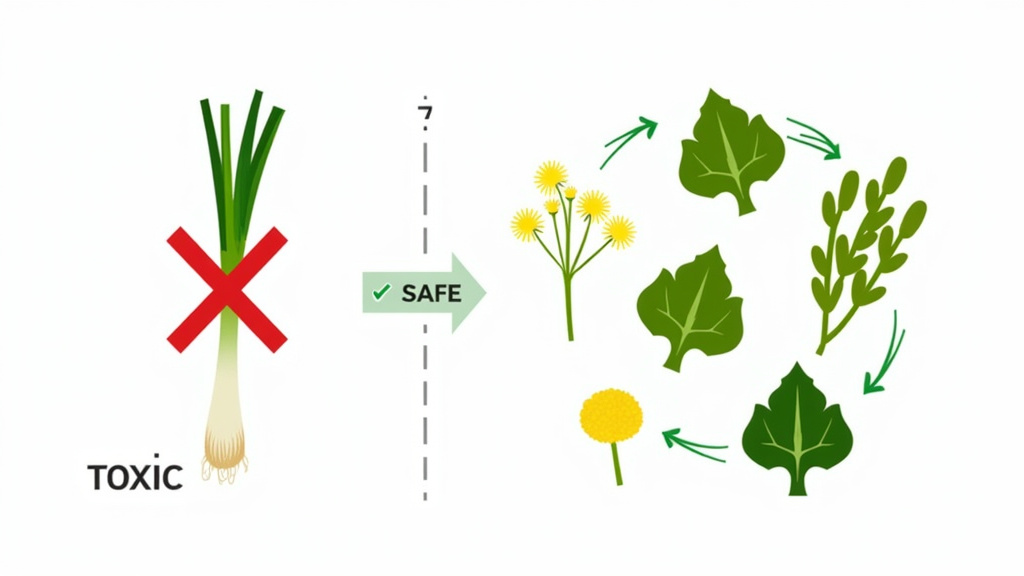
The confusion often stems from not knowing what’s in the Allium family. Here is a quick-reference table to separate the safe from the poisonous.
| Plant Name | Safe for Bearded Dragons? | Key Reason / Danger |
|---|---|---|
| Scallion / Green Onion | NO | Allium family; contains thiosulphates, highly acidic. |
| Chives | NO | Allium family; concentrated toxins, even more potent than scallions. |
| Leek | NO | Allium family; high toxin and acid concentration. |
| Garlic | NO | Allium family; extremely potent, can cause organ failure. |
| Collard Greens | YES | Staple green; excellent Ca:P ratio, low oxalates. |
| Dandelion Greens | YES | Staple green; high calcium, rich in vitamins. |
| Mustard Greens | YES | Staple green; good nutrients, feed as part of a varied mix. |
| Basil | YES (Occasional) | Aromatic herb; safe in small amounts as a safe herb for dragons. |
| Cilantro | YES (Occasional) | Leafy herb; can be used sparingly like fresh cilantro leaves. |
The rule is absolute: if it’s an Allium, it’s forbidden. There are no exceptions for cooking, size, or frequency. When building salads, stick to verified staples and use occasional herbs like parsley or arugula with caution, mindful of their oxalate or goitrogen content.
What to Do If Your Bearded Dragon Eats a Scallion
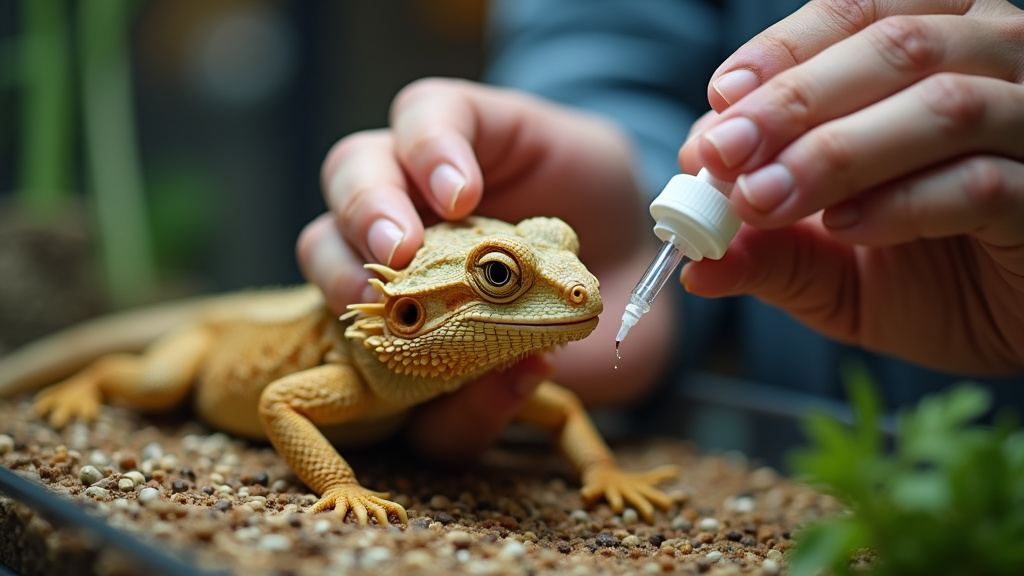
Accidents happen. Maybe a piece fell from the cutting board, or a family member didn’t know. Panic is not a plan. Follow these steps in order.
- Remove the source. Immediately take away any remaining scallion pieces from the enclosure. Check the dragon’s mouth and beard for clinging fragments.
- Do not induce vomiting. Forcing a reptile to regurgitate can cause aspiration or esophageal damage. This is not a dog or cat.
- Offer water. Use a dropper to offer a few drops of fresh water to help flush the mouth and esophagus. Do not force-feed large amounts.
- Call your exotic veterinarian. This is non-negotiable. Explain what was ingested, the approximate amount, and when it happened. Follow their instructions, which may involve bringing the dragon in for monitoring or supportive care.
- Monitor closely. For the next 72 hours, watch for specific symptoms: lethargy, loss of appetite, pale gums (check gently), dark or red-tinged urine, vomiting, or labored breathing. Keep a log for the vet.
Before you start: Time is tissue damage. The longer thiosulphates circulate, the more red blood cells are destroyed. Have your vet’s emergency number saved in your phone before you ever need it. A delay of “I’ll call tomorrow if he looks worse” can be fatal.
Your vet may administer fluids, protectants for the GI tract, or in severe cases, a blood transfusion. The prognosis depends entirely on the amount ingested and the speed of treatment.
Building a Safe and Nutritious Salad
Replacing a dangerous food is easy when you have a list of better options. A healthy bearded dragon salad isn’t just one type of green. It’s a mix that ensures nutritional balance and variety.
Your daily salad foundation should be 2-3 staple greens. These are low in oxalates and goitrogens and have a positive calcium ratio.
* Collard greens
* Mustard greens
* Turnip greens
* Dandelion greens (pesticide-free)
* Escarole
* Endive
To this base, add 10-20% of other vegetables and herbs for variety and extra nutrients.
* Grated butternut squash (excellent vitamin A)
* Finely chopped bell pepper (red or yellow for vitamin C)
* Occasional aromatic greens like basil
* Shredded carrot (sparingly, high in vitamin A)
Finally, know which greens to feed sparingly due to oxalates (which bind calcium) or goitrogens (which affect thyroid function). These are not toxic like scallions, but they should be rare treats, not staples.
* Spinach (very high oxalates, see high-oxalate greens guide)
* Swiss chard
* Beet greens
* Kale
* Cabbage (see goitrogenic vegetables for details)
* Celery (mostly water and fiber, low-nutrient vegetables)
This structure gives you a template that is safe, complete, and far more beneficial than any Allium could ever be.
Frequently Asked Questions
Can bearded dragons eat cooked scallions?
No. Cooking does not break down the toxic organosulfur compounds like thiosulphates. It may soften the vegetable and reduce acidity slightly, but the core poison remains. The VCA Animal Hospitals feeding guide emphasizes offering fresh, appropriate vegetables, cooking inappropriate ones doesn’t make them safe.
What about the green tops only? Aren’t those just leaves?
The entire plant, white bulb, light green stalk, and dark green leaf, contains the toxins. The concentration may vary, but all parts are unsafe. There is no “safe part” of a scallion for a bearded dragon.
My dragon ate a tiny piece a week ago and seems fine. Is he okay?
He may have tolerated a minuscule amount, but you likely avoided acute poisoning. The risk with Alliums is cumulative damage to red blood cells and the digestive tract. Do not interpret a lack of immediate crisis as permission. Repeated small exposures can lead to chronic anemia and a weakened immune system. Stick to verified safe foods.
Are scallions worse than onions or garlic?
All are toxic, but garlic is considered the most potent. Scallions and onions pose a very high risk. The severity of poisoning depends on the amount ingested relative to the dragon’s size. A piece of garlic the size of a rice grain could be more dangerous than a larger piece of scallion for a small dragon.
What are the absolute worst foods I should never feed?
Beyond the Allium family, the most critically toxic item is avocado. It contains persin, a fungicidal toxin that causes rapid cardiac and respiratory distress. For a full breakdown of this severe poison, read our guide on the toxic persin compound in avocados. Other major dangers include rhubarb, insects caught in the wild (pesticides), and any dairy products.
The Bottom Line
Scallions have no place in a bearded dragon’s world. The science is unambiguous: thiosulphates destroy blood cells, high acid burns the gut, and a terrible calcium ratio undermines skeletal health. The green color is a trap.
Commit to the safe, nutrient-rich staples that keep dragons thriving for over a decade. Build salads from collard and dandelion greens. Use herbs like basil and cilantro for occasional flavor. Always double-check ingredients in pre-packaged mixes.
Your dragon depends on your choices. When you know the facts, the choice is simple. Feed what heals, not what harms.