
Can Bearded Dragons Eat Clovers? Safety & Feeding Guide
This post contains affiliate links. As an Amazon Associate, we earn from qualifying purchases.
Yes, bearded dragons can eat clover. It is a safe, non-toxic plant that can be offered as an occasional supplemental green. Focus on types like white or red clover, always source it from a guaranteed organic, pesticide-free origin, and never make it a primary food source.
Most owners get this wrong at the source. They see a lush patch of clover in the yard and think it’s a free, healthy snack. That single decision introduces a cocktail of unknown herbicides, lawn chemicals, and environmental toxins straight into their dragon’s digestive system. The plant itself isn’t the problem; the contamination is.
This guide breaks down exactly which clovers are safe, the hidden chemical risks in common varieties, how to grow your own clean supply, and why this green should stay in the “sometimes” category of your dragon’s diet.
Key Takeaways
- Clover is safe but nutritionally incomplete; it lacks the vitamin and mineral profile of staple greens like collard or dandelion greens.
- Never feed wild clover. The risk of pesticide, herbicide, or heavy metal contamination is exceptionally high and not worth the gamble.
- Specific clover types carry hidden risks: frost-damaged white clover can develop cyanogenic compounds, and red, Alsike, and crimson clovers contain photoactive agents.
- Feed clover sparingly, once or twice a week mixed into a larger, varied salad is sufficient.
- Clover flowers are safe to eat, but avoid the seeds and roots, which are difficult to digest and offer no nutritional benefit.
The Straight Answer on Clover and Bearded Dragons
Clover sits in a dietary gray zone. It’s not a dangerous food, but it’s also not a nutritional powerhouse. The VCA Animal Hospitals, a leading veterinary authority, lists clover among acceptable plant materials for bearded dragons. This official endorsement matters. It means the plant fiber and basic nutrients aren’t harmful.
White clover (Trifolium repens) and red clover (Trifolium pratense) are the most common varieties fed. Both are low in oxalates, compounds that bind to calcium, making them a safer choice than high-oxalate greens like spinach. A typical serving provides modest protein, carbohydrates, and trace minerals.
The real value of clover is as a dietary diversifier. Bearded dragons are opportunistic omnivores. In the wild, they consume a vast array of plant matter. Offering different textures and mild flavors, like those of clover, can stimulate a picky eater and contribute to overall dietary enrichment. It’s a condiment, not the main course.
TL;DR: Clover is a safe, low-oxalate green that veterinary sources approve, but it should only be used to add variety to a nutritionally complete salad base.
What Types of Clover Are Safe?
Not all clovers are created equal, and even the safe ones have caveats. You need to know the names and the specific conditions that can turn a benign plant into a risky one.
The safest and most commonly available types are white clover and red clover. You might also come across Alsike clover and crimson clover. These are generally considered safe when fresh, healthy, and sourced correctly. However, each has a hidden trigger.
| Clover Type | Safe Status | Specific Risk Condition | What Happens |
|---|---|---|---|
| White Clover | Generally Safe | When wind or frost-damaged | Damaged leaves can produce cyanogenic compounds (prussic acid), which interfere with oxygen transport in the blood. |
| Red Clover | Generally Safe | Contains photoactive compounds | Can cause photosensitization in some animals if consumed in very large, exclusive quantities over time. |
| Alsike Clover | Use Caution | Contains photoactive compounds | Similar to red clover; risk is low with occasional feeding but warrants awareness. |
| Crimson Clover | Use Caution | Contains photoactive compounds | Best used sparingly due to its potential photoactive agents. |
The photoactive compound issue is often overstated for bearded dragons in typical home settings. These compounds can cause skin sensitivity to sunlight in grazing livestock that eat massive amounts. Your dragon eating a few sprigs once a week won’t trigger this. The cyanogenic compound risk in damaged white clover is more immediate. If you grow your own and a frost hits, discard the damaged foliage.
The flowers of all these clovers are safe and often enjoyed by dragons. They add a splash of color and a slightly sweeter note to a salad. The seeds and roots, however, are off-limits. Seeds are a choking hazard and difficult to digest. Roots offer no nutritional value and may harbor soil-borne bacteria.
TL;DR: Stick to white or red clover leaves and flowers. Avoid any clover that’s wilted, frost-bitten, or damaged, and never feed the seeds or roots.
Why Clover Should Never Be a Staple Food
This is the critical mindset shift. Clover is a supplement, not a foundation. Its nutritional profile is the reason why.
Compare clover to a proven staple green like collard greens. Collard greens are rich in calcium, have a superb calcium-to-phosphorus ratio (over 14:1), and are packed with vitamins A, C, and K. Clover, while low in oxalates, is also low in these essential micronutrients. It’s mostly water, fiber, and some plant-based protein. Relying on it leads to a weak dietary foundation.
Common mistake: Replacing a portion of staple greens with clover to “mix things up”, over time, this dilutes the vitamin and mineral density of each meal, potentially leading to subtle deficiencies even if the dragon seems to eat well.
I learned this the hard way with my first dragon, Rex. He loved the tender clover leaves from my garden patch. I got lazy and his salads became half clover, half other greens for a few weeks. His energy dipped. His poops became looser, more frequent. It wasn’t toxicity; it was malnutrition from a diluted diet. I cut the clover back to a weekly treat and doubled down on nutritious greens like mustard and turnip greens. His condition firmed up within ten days.
Feeding frequency is your control lever. Once or twice a week is the sweet spot. For a juvenile dragon, a few small sprigs chopped up are plenty. For an adult, a small handful mixed thoroughly into a larger salad is sufficient. This frequency provides novelty without compromising the core nutritional intake from better sources like dandelion greens or arugula leaves.
The Absolute Rule: Never Feed Wild Clover
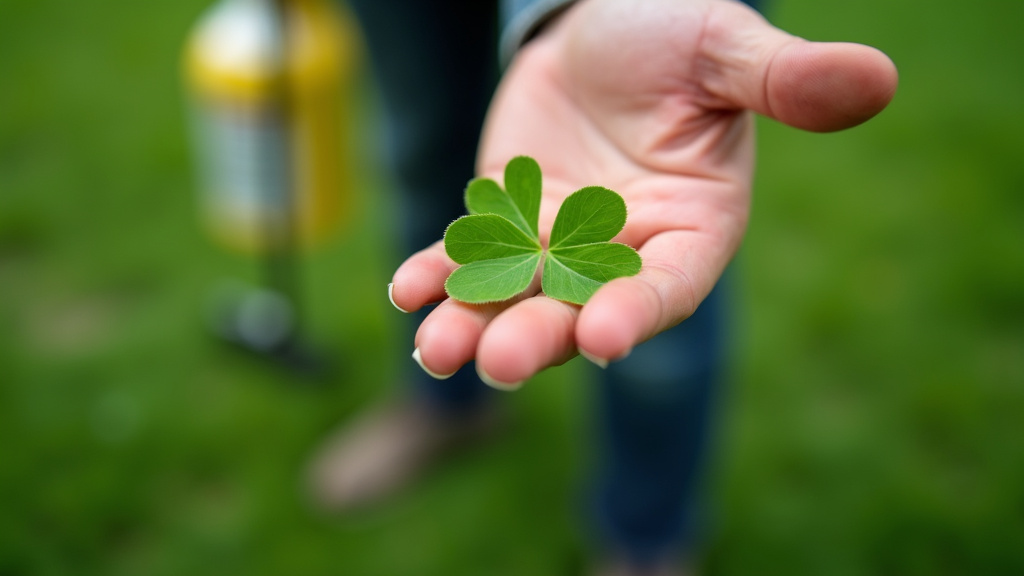
This is non-negotiable. The clover growing in your yard, in a park, or on a roadside is a toxic hazard waiting to happen. You are not just picking a plant; you are harvesting whatever chemicals that patch of ground has been exposed to.
Residential lawns are routinely treated with broad-leaf herbicides designed to kill plants like clover. These chemicals persist. Even if your neighbor sprays their lawn, runoff can contaminate your yard. Pesticides for insects, fungicides, and heavy metals from soil or rainwater are all invisible threats. A dragon’s liver is small and not equipped to process these industrial compounds.
I won’t recommend foraging for any wild plant, clover included. The visual feedback is reassuring, it looks clean and green, but you cannot see the chemical residue. I’ve spoken to reptile vets who’ve traced cases of sudden, unexplained liver failure in otherwise healthy dragons back to chronic, low-level pesticide ingestion from owner-foraged greens.
The only safe source is clover you grow yourself from certified organic seeds in clean soil, or clover purchased from a trusted organic grower who can guarantee no chemical treatment. This turns clover from a free resource into a intentional, cultivated one. It’s the only way to be sure.
TL;DR: Treat wild clover as contaminated. The only safe clover comes from a verified organic, controlled source you trust completely.
How to Source and Prepare Clover Safely
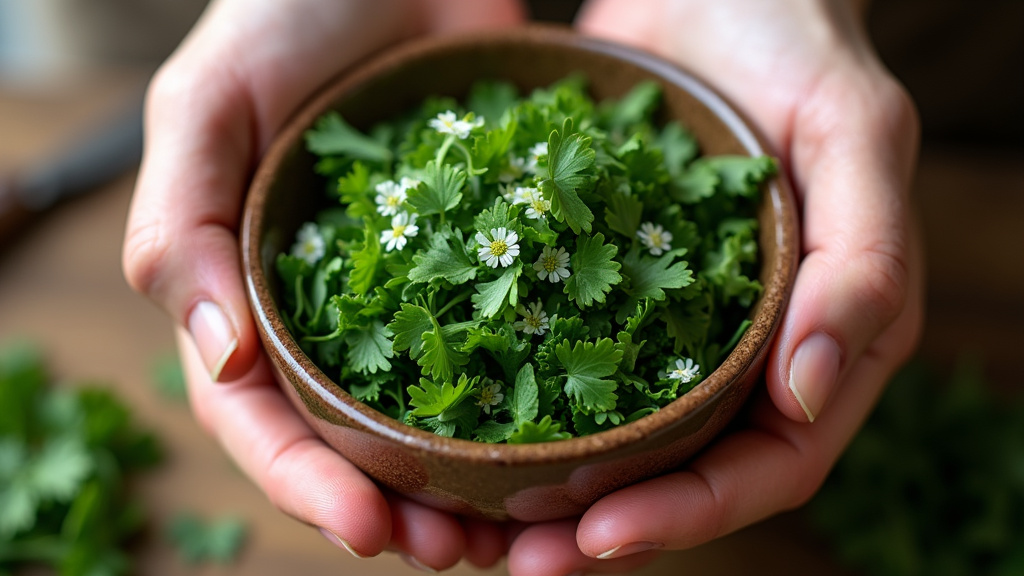
Your safest path is to become the source. Growing organic clover is straightforward and eliminates all guesswork.
Start with a packet of organic white clover seeds. Plant them in a clean pot or a designated section of an organic garden bed. Clover isn’t fussy; it needs decent soil, sunlight, and regular water. Within a few weeks, you’ll have a renewable patch. This method gives you total control from seed to salad.
When you’re ready to feed, pick the freshest, greenest leaves and flowers. Avoid any that are yellowed, spotted, or have obvious insect damage. Rinse them under cool running water. I mean a thorough rinse, get under the leaves, between the flower petals. Pat them dry with a paper towel or use a salad spinner. Excess water in the salad bowl leads to soggy, unappetizing greens that dragons will ignore.
Preparation is simple: chop the leaves and flowers into bite-sized pieces appropriate for your dragon’s size. Then, integrate them. Never serve a bowl of just clover. Instead, use it as a topping or mix-in. Take a base of curly parsley and collard greens, add a few pieces of chopped basil herb for aroma, and then sprinkle in your chopped clover. This creates a complex, engaging salad where the clover is a minor component.
After serving, watch your dragon. Most will investigate and eat the clover without issue. Remove any uneaten clover from the enclosure after a few hours to prevent spoilage and bacterial growth.
Building a Balanced Diet: Where Clover Fits In
A bearded dragon’s vegetable intake should be a rotating cast of characters. Clover earns a recurring guest role, not a starring part. Think of your dragon’s weekly meal plan as a hierarchy.
At the top are the staple greens. These should make up 70-80% of the plant matter offered. These are your nutritional workhorses: collard greens, dandelion greens, escarole, endive, and mustard greens. These foods form the non-negotiable foundation of every salad.
The next tier is the “supplemental” or “occasional” greens. This is where clover lives, alongside things like cilantro, carrot tops, sage leaves, and kale (given sparingly due to goitrogens). These foods are safe and add variety, but they lack the complete nutritional profile of the staples. They should comprise no more than 20-30% of the total greens.
Finally, you have treats, fruits like berries or melon, and flowers like hibiscus or nasturtium. These are for rare enrichment.
Here is a simple weekly salad blueprint that incorporates clover responsibly:
– Base (80%): Collard greens + turnip greens.
– Supplement (15%): Grated squash + a few sprigs of fresh dill.
– Enrichment (5%): Chopped clover flowers + one blueberry.
This structure ensures the dragon gets the dense nutrition it needs from the base, enjoys textural and flavorful variety from the supplements, and gets the novel interest of the clover and fruit. For a complete picture of safe options, consult a comprehensive veggie list.
Common mistake: Feeding clover two days in a row because it’s convenient, this disrupts dietary rotation and can lead to a dragon developing a preference for the milder clover over more nutritious, bitter-tasting staple greens.
Frequently Asked Questions
Can bearded dragons eat red clover?
Yes, red clover is safe in moderation. It contains photoactive compounds, but the risk of photosensitization is negligible when fed as a rare treat mixed into a larger salad. The primary rule still applies: it must be from an organic, uncontaminated source.
Are clover flowers safe for bearded dragons?
Absolutely. The flowers of white, red, and crimson clover are safe and often a favorite due to their slightly sweeter taste. They are a great way to add visual interest and a different texture to your dragon’s salad bowl.
How often can I feed my bearded dragon clover?
Limit clover feeding to once or twice per week. A small handful for an adult dragon or a few small sprigs for a juvenile is an appropriate portion size. It should never replace the primary leafy herbs and staple greens in their diet.
Can I pick clover from my backyard to feed my dragon?
No. This is one of the most dangerous things you can do. Backyard clover is almost certainly exposed to lawn chemicals, weed killers, animal feces, or environmental pollutants. The potential for toxic contamination is extremely high. Always grow your own from organic seeds or purchase from a guaranteed clean source.
Is clover better than dandelions for bearded dragons?
No. Dandelion greens are nutritionally superior. They are a calcium-rich staple green with excellent vitamin content. Clover is a low-oxalate supplemental green. They serve different purposes. Think of dandelions as a main course ingredient and clover as a garnish. For more on this, see our guide on foraging for dandelions.
What should I do if my bearded dragon eats a lot of wild clover?
Monitor them closely for any signs of illness over the next 48 hours, including lethargy, loss of appetite, vomiting, or unusual stool. Provide plenty of fresh water. If you observe any concerning symptoms, contact an exotic veterinarian immediately and inform them of the potential pesticide/herbicide exposure.
The Bottom Line
Clover is a permissible, low-risk green that can add a touch of variety to your bearded dragon’s diet. Its safety is entirely conditional on a clean, organic source and strict moderation. The moment you pick it from an uncontrolled environment, you introduce an unacceptable risk.
Grow your own. Feed it sparingly. Always mix it with nutritionally superior staple greens. Follow these rules, and clover can be a harmless, even enjoyable, part of your dragon’s dietary rotation. Your dragon’s health hinges on the quality and variety of its greens, clover is a small piece of that puzzle, not the solution.