
Can Bearded Dragons Eat Tree Frogs? Health Risks Revealed
This post contains affiliate links. As an Amazon Associate, we earn from qualifying purchases.
No. Bearded dragons should never eat tree frogs. While their predatory instinct means they can and will try to eat one, tree frogs pose three direct threats: skin toxins like bufotoxin, bacterial diseases including Salmonella, and a high risk of digestive impaction from indigestible skin and bones. A single bite or lick can introduce enough poison to cause serious illness.
The mistake is thinking “can” means “should.” A bearded dragon sees movement and reacts. It doesn’t have a warning system for toxicity. That leaves you, the owner, as the only line of defense against a dangerous, even fatal, mistake.
This guide breaks down exactly why tree frogs are off the menu, what happens if contact occurs, and how to build a safe, nutritious diet that keeps your dragon thriving without the gamble.
Key Takeaways
- Tree frogs secrete bufotoxin through their skin, a potent poison that can cause neurological distress and digestive failure in bearded dragons upon contact.
- Frogs are common carriers of Salmonella and Giardia, pathogens that lead to severe, dehydrating infections in reptiles.
- The rubbery skin and fine bones of a frog are nearly impossible for a bearded dragon to digest, creating a high probability of a life-threatening gut impaction.
- Never house the two species together. The dragon’s heat and UVB needs directly conflict with a frog’s high-humidity requirements, stressing both animals.
- Stick to proven, safe feeders like Dubia roaches and crickets, supplemented with staple greens, to meet all nutritional needs without risk.
Why Bearded Dragons Try to Eat Frogs (And Why It’s a Trap)
Bearded dragons are opportunistic feeders. In the arid Australian scrublands they come from, survival means eating what’s available when it’s available. Movement triggers a hardwired predatory strike.
A bearded dragon’s hunting logic is simple: if it moves and fits in the mouth, it is food. This instinct ignores color, smell, or potential toxicity. The animal has no biological “danger sensor” for prey like poisonous frogs.
I learned this the hard way with a rescued adult dragon. A small anole lizard got into the outdoor enclosure during supervised playtime. The dragon’s head shot forward faster than I could react. It swallowed the anole whole. Two days later, I was at the vet for an impaction scare. The lesson was expensive. Wild prey, even other lizards, carries unknowns—parasites, pesticides, indigestible matter. That risk multiplies tenfold with frogs.
Their captive environment doesn’t switch off this instinct. A hopping frog is the ultimate trigger. This is why supervision is not a safety plan. The strike happens in a fraction of a second. The real safety plan is complete prevention.
TL;DR: Your dragon will try to eat a frog because its brain says “moving food.” It cannot judge the danger. You must.
The 3 Immediate Health Risks of a Tree Frog
Feeding a tree frog isn’t just unhealthy; it’s an assault on your dragon’s system from three angles simultaneously. One risk is bad enough. Together, they’re a crisis.
1. Toxins and Poisoning
Many tree frogs, including common pet species like the American Green Tree Frog, secrete defensive toxins through their skin. The most well-known is bufotoxin.
This isn’t a mild irritant. Bufotoxin is a steroid compound that can interfere with nerve function and heart rhythm. For a bearded dragon, exposure starts locally. The mouth tissue where contact occurs can become inflamed and ulcerated. If ingested, the toxin moves through the digestive tract, causing nausea, lethargy, and loss of appetite.
The dose matters, but there is no safe dose. A “test bite” or even a curious lick can transfer the toxin.
| Toxin Source | Primary Effect | Timeline for Symptoms |
|---|---|---|
| Bufotoxin (skin secretion) | Neurological distress, oral inflammation, digestive shutdown | 2–12 hours after contact |
| Bacterial load (Salmonella, E. coli) | Severe gastrointestinal infection, sepsis | 24–72 hours after ingestion |
| Parasites (Giardia, worms) | Chronic wasting, diarrhea, malnutrition | 5–14 days after ingestion |
2. Disease and Parasite Transmission
Frogs are notorious disease vectors. Their moist skin and habitat are breeding grounds for bacteria like Salmonella and Vibrio cholerae, and parasites like Giardia.
These organisms don’t typically harm the frog but wreak havoc on a bearded dragon’s gut. Salmonella infection leads to profuse, watery diarrhea, rapid dehydration, and lethargy. In a captive reptile, this can turn fatal within days without aggressive veterinary intervention.
Common mistake: Assuming a frog from a pet store or your backyard is “clean.” — Frogs can carry pathogens asymptomatically. Your dragon’s infection will be obvious within three days, and treatment requires antibiotics that stress the liver.
This is a core reason to avoid all wild frog dangers. The risk profile is completely uncontrolled.
3. Impaction and Choking
A bearded dragon’s digestive system is designed for insects with crunchy exoskeletons and soft plants. Frog anatomy is the opposite.
Frog skin is tough, elastic, and difficult to break down. Their bones are fine and splinter easily. Together, they form a dense, fibrous mass in the gut that peristalsis cannot move. This is impaction.
The first sign is a lack of droppings. The dragon becomes lethargic as the blockage causes discomfort and prevents nutrient absorption. The abdomen may feel hard. An impaction severe enough to require surgery often starts with an owner thinking, “He’s big enough to handle it.” He isn’t.
TL;DR: Toxins poison, diseases infect, and frog bodies block. Each risk alone warrants a vet visit. Combined, they’re often a death sentence.
Debunking the “When It’s Safe” Myths
Bad advice circulates. Let’s dismantle it permanently.
Myth 1: “A dragon over 1.5 pounds can eat frogs.”
Weight is irrelevant to toxicity. A larger dragon may have a tougher constitution, but bufotoxin doesn’t care. This myth confuses physical ability with biological safety. A big dragon can physically swallow a frog more easily, but it’s just as susceptible to the poison and impaction.
Myth 2: “It’s a natural part of their wild diet.”
Opportunistic does not mean optimal. In the wild, bearded dragons eat frogs rarely, and it likely contributes to mortality we don’t see. Captive dragons have a life expectancy double that of wild ones precisely because we control their diet and remove toxic prey like frogs and toxic insects.
Myth 3: “I can supervise them together.”
This is a disaster in waiting. It takes one second. Furthermore, cohabitation is cruel. Bearded dragons need hot, dry basking spots at 95-110°F and low humidity (30-40%). Tree frogs need moderate temperatures (70-80°F) and high humidity (60-80%). Housing them together forces one animal to live in constant, unhealthy stress.
What to Do If Your Bearded Dragon Eats a Frog
Panic is not a plan. Action is.
- Do not induce vomiting. Reptiles cannot vomit safely. Attempting this can cause aspiration and further injury.
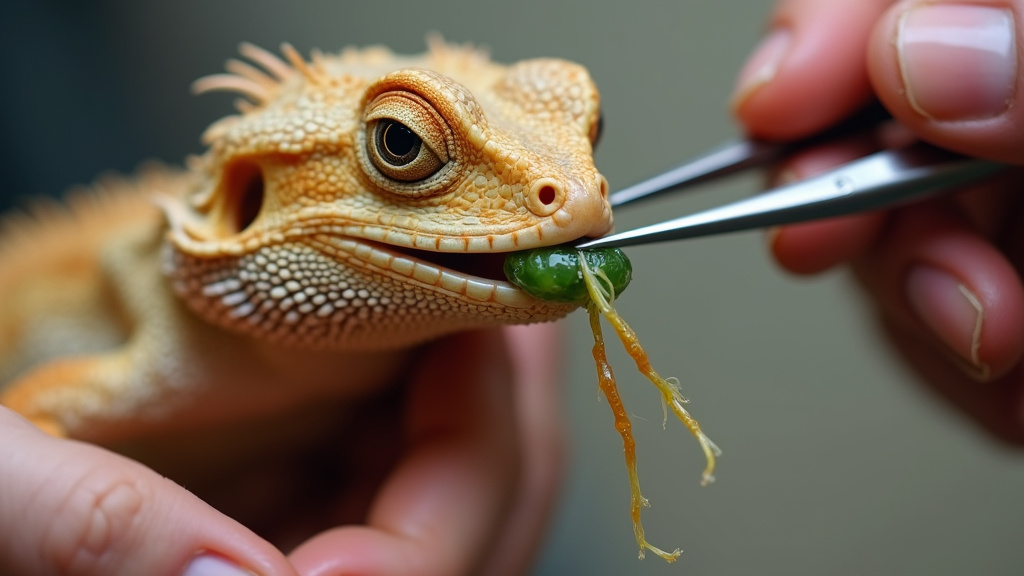
- Remove any remaining frog parts. Use tweezers to gently clear the mouth if visible.
- Call your exotic veterinarian immediately. Describe what happened, the type of frog if known, and the size of your dragon. Do not wait for symptoms.
- Monitor closely. Be prepared to note the onset of any lethargy, refusal of food, or abnormal droppings. This information is critical for the vet.
- Follow veterinary instructions. Treatment may involve fluid therapy, activated charcoal to bind toxins, or antibiotics.
Time is the critical factor. The sooner you get professional help, the better the chance of mitigating the effects.
Building a Safe and Nutritious Diet
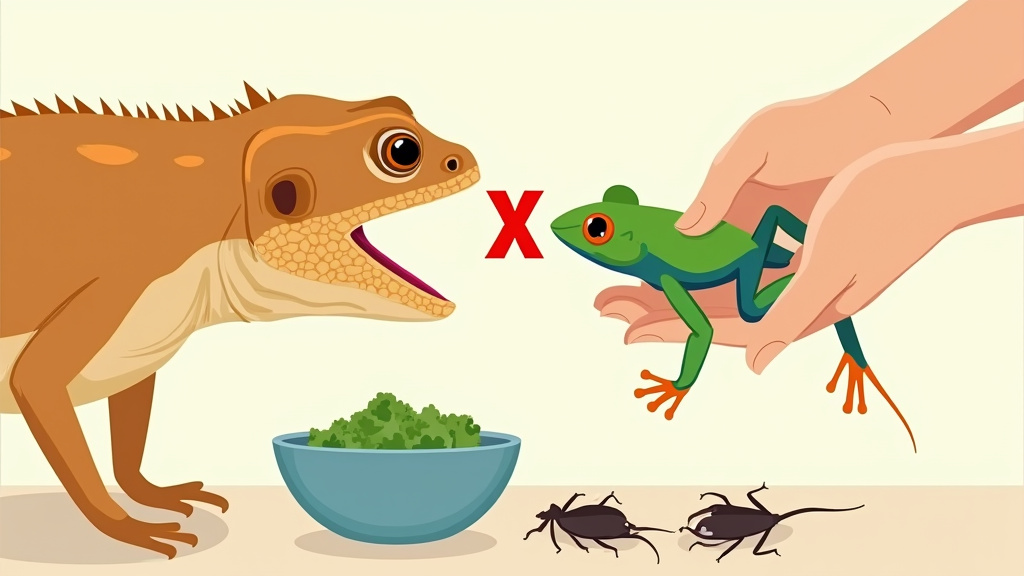
The best defense is a good offense. A well-fed dragon is less likely to be desperately opportunistic, but more importantly, you eliminate risk by controlling what goes in the tank.
A balanced bearded dragon diet rests on two pillars: insect protein and vegetable matter. The ratios change with age.
| Life Stage | Insect Protein | Vegetables/Greens | Feeding Frequency |
|---|---|---|---|
| Juvenile (0-12 mo) | 80% | 20% | Insects 2-3x daily; greens offered daily |
| Adult (12+ mo) | 20-30% | 70-80% | Insects 1x daily/every other day; greens offered daily |
Staple Insect Feeders
These are your daily drivers, low in fat and high in appropriate nutrition.
* Dubia Roaches: The gold standard. Perfect protein-to-fat ratio, easy to digest.
* Crickets: A classic. Gut-load them with nutritious veggies before feeding.
* Black Soldier Fly Larvae (Nutrigrubs): High in calcium, excellent for bone health.
Safe Vegetable Base
These should form the bulk of the salad.
* Collard, Mustard, and Turnip Greens: Calcium-rich and low in oxalates.
* Butternut Squash: Shredded, it’s great for vitamin A.
* Bell Peppers: For vitamin C and hydration.
Incorporate variety with occasional safe herbs like basil or parsley safety-approved parsley flakes. For treats, consider fruit treats like blueberries or raspberries once a week, not toxic foods like avocado which is always poisonous.
I stick to a base of collard greens and shredded squash, adding one “extra” like arugula or green beans weekly. This routine provides all necessary nutrients without the guesswork or risk of foraged plants. It’s boring for me. It’s perfect for them.
TL;DR: Feed Dubia roaches and crickets for protein, dark leafy greens for vitamins, and skip the exotic, dangerous “treats” like frogs entirely.
Frequently Asked Questions
What if my bearded dragon just licked a tree frog?
Even a lick is dangerous. Toxins are absorbed through the mucous membranes in the mouth. Monitor your dragon closely for the next 48 hours for any signs of drooling, pawing at the mouth, or decreased activity. When in doubt, consult a vet.
Are all frogs toxic to bearded dragons?
While not all frog species produce potent toxins like bufotoxin, all carry the other significant risks: disease (Salmonella) and impaction. Therefore, the rule is universal: no frogs or toads of any kind are safe feeders. This includes safe feeder worms as a alternative, not amphibians.
Can bearded dragons and tree frogs live in the same tank?
Absolutely not. Their environmental needs are direct opposites. A bearded dragon requires a hot, dry desert-like environment with UVB lighting. A tree frog needs a cool, humid, tropical environment. Placing them together sentences one to chronic stress, illness, and likely predation.
What are safe alternatives for variety in my dragon’s diet?
For protein variety, rotate between staple feeders like Dubia roaches, crickets, and black soldier fly larvae. For vegetable variety, rotate through staples like collard greens, endive, and escarole, adding in salad greens like arugula or green bean safety-approved chopped green beans occasionally.
My dragon ate a frog and seems fine. Should I still worry?
Yes. Some effects, particularly from parasites or low-grade toxins, can be insidious and take days or weeks to manifest as weight loss or subtle behavioral changes. An immediate vet visit is the only way to check for internal issues via a fecal exam and blood work.
The Bottom Line
The question isn’t about ability. Your bearded dragon can physically eat a tree frog. The real question is about consequence.
The consequence is a preventable emergency—a combination of poisoning, infection, and blockage that your pet’s body is not equipped to handle. Responsible ownership means substituting that risk with certainty. The certainty of safe greens dusted with calcium, the certainty of nutritious insects, and the certainty of a long, healthy life for your dragon.
Keep the frogs in their habitat. Keep your dragon’s diet clean, simple, and safe. That’s the only rule that matters.