
Can Bearded Dragons Eat Oatmeal? Safe Feeding Guide & Tips
This post contains affiliate links. As an Amazon Associate, we earn from qualifying purchases.
Bearded dragons can eat oatmeal only as a rare, supplemental treat. Offer one to two tablespoons of plain, cooked and cooled oatmeal no more than once weekly. It provides fiber but is high in carbohydrates and phosphorus, which can cause nutritional imbalances if fed regularly or in large amounts.
Yes, bearded dragons can eat oatmeal, but only as an occasional supplement, never a staple. Offer 1-2 tablespoons of plain, cooked oatmeal, cooled and broken into small pieces, no more than once a week. It provides fiber and some minerals but is high in carbohydrates and phosphorus, which can disrupt a balanced diet if overfed.
Most owners get this wrong by treating oatmeal like a daily vegetable. They see a “healthy” human food and assume it translates directly to reptile nutrition. It doesn’t. Oatmeal sits in a weird category, not toxic, not essential, and quietly problematic in large doses.
This guide walks through the real nutritional math, the one oat type to avoid completely, and how to use oatmeal as a tool for picky eaters or feeder insect care without throwing your dragon’s diet off balance.
Key Takeaways
- Oatmeal is a high-carbohydrate filler, not a nutritional powerhouse for bearded dragons. It should never replace insect protein or leafy greens.
- Instant oatmeal is banned due to added sugar, sodium, and a high glycemic index that can spike your dragon’s blood sugar.
- The primary risk isn’t toxicity, it’s nutritional dilution and impaction. Overfeeding pushes more nutritious foods out of the diet and the sticky texture can cause blockages.
- Oatmeal’s high phosphorus content binds with calcium in the gut. If you serve oatmeal, you must be meticulous with calcium-dusted insects that same day.
- A proper use is gut-loading feeder insects like dubia roaches or superworms 24 hours before feeding them to your dragon, transferring the oats’ fiber indirectly.
The Nutritional Pros and Cons of Oatmeal
Oatmeal isn’t empty calories, but its profile is mismatched for a bearded dragon’s core needs. The fiber is beneficial. The carbohydrate load is not.
Cooked plain oatmeal offers about 4 grams of protein and 4 grams of fiber per 100-gram serving. The fiber can aid digestion and help prevent impaction, a common killer in captive dragons. It also contains magnesium for muscle function and iron for blood health. These sound like wins.
Common mistake: Serving oatmeal as a solution for a dragon not eating vegetables, this teaches them to hold out for starch and makes the vegetable refusal worse within a week.
The downside is the macronutrient skew. That same 100-gram serving packs roughly 12 grams of carbohydrates. For an omnivore that evolved eating low-carb, fibrous plants and protein-rich insects, that’s a heavy load. Consistent overfeeding leads to weight gain and fatty liver disease. The other critical issue is the calcium-to-phosphorus ratio.
| Nutrient in Oatmeal | Benefit for Bearded Dragons | Risk or Limitation |
|---|---|---|
| Dietary Fiber | Aids digestion, can help prevent impaction | Sticky texture when dry can cause impaction if not hydrated properly |
| Magnesium | Supports muscle and nerve function | Already present in sufficient amounts in staple greens like collard and mustard greens |
| Iron | Supports healthy blood cells | Non-heme iron from plants is poorly absorbed by reptiles compared to heme iron from insects |
| Phosphorus | Essential for bone health | Binds with dietary calcium in the gut, preventing its absorption if the ratio isn’t managed |
TL;DR: The fiber is helpful, the carbs are excessive, and the phosphorus actively fights against your calcium supplementation efforts.
Steel-Cut, Rolled, or Instant? The Oat Type That Spikes Blood Sugar
All oats start as groats. Processing determines how fast the starches break into sugars in the bloodstream, the glycemic index. This matters for your dragon’s metabolism.
Steel-cut oats are groats chopped into pieces. They have a low glycemic index (around 42). Rolled oats are steamed and flattened, with a medium glycemic index (around 55). Instant oats are pre-cooked, dried, and rolled thin, often with added maltodextrin. Their glycemic index shoots up to 79 or higher.
Instant oatmeal digests so rapidly it can cause a blood sugar spike in bearded dragons. This stresses their pancreas and can lead to long-term metabolic issues, similar to the effect of feeding too much fruit.
The instant variety is also where hidden dangers live. Flavored packets contain brown sugar, maple syrup, or artificial sweeteners like sucralose, which are toxic. Even “plain” instant oats often have added salt for shelf stability. Excessive sodium dehydrates reptiles and stresses their kidneys.
Your only safe choices are plain rolled oats or steel-cut oats. The texture of steel-cut might be too coarse even after cooking, so plain old-fashioned rolled oats are the practical default. Check the ingredient list: it should read “100% whole grain oats.” Nothing else.
How to Prepare Oatmeal for Bearded Dragons (Step-by-Step)
The goal is a bland, mushy, safely cooled paste that can be mixed into a salad. This is not a solo meal.
What You’ll Need
- Plain rolled oats
- Water
- Small saucepan
- Measuring spoon
- Plate for cooling
- Fork for mashing
Step-by-Step Preparation
- Measure a tiny portion. Use one tablespoon of dry oats. This will cook up to about two tablespoons, the absolute maximum serving for a large adult dragon.
- Cook with water only. Follow the package directions using only water. Do not use milk, butter, or any other liquid. Cook until it’s very soft and porridge-like.
- Cool completely on a plate. Spread the cooked oatmeal thinly on a plate. This brings it to room temperature fast and lets excess steam evaporate. Serving it warm risks burning your dragon’s mouth and the residual heat promotes bacterial growth in the enclosure.
- Mash and portion. Once cool, mash it with a fork. Break it into pieces no larger than the space between your dragon’s eyes.
- Mix into a salad. Take one or two of these small pieces and stir them into a robust salad of chopped collard greens, butternut squash, and a bit of bell pepper. The oatmeal should be a hidden component, not the main event.
Before you start: Always wash your hands before and after handling reptile food. Uneaten oatmeal ferments and molds quickly, remove it from the enclosure within one hour if ignored. Mold spores can cause respiratory infections in bearded dragons.
TL;DR: Cook plain oats with water, cool them thoroughly, mash into tiny bits, and hide a pinch in a vegetable salad. Discard leftovers within an hour.
The Right Serving Size and Schedule
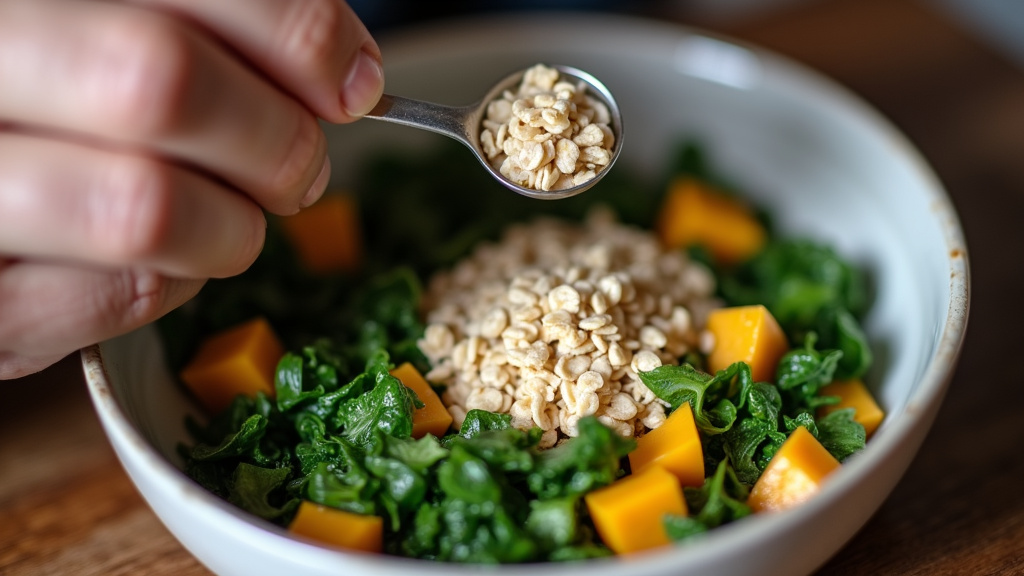
Frequency is more important than volume. This is a once-in-a-while tool, not a food group.
A juvenile bearded dragon (under 12 months) should not eat oatmeal. Their diet must be 80% insect protein for growth. Introducing high-carb foods displaces the necessary protein and can stunt development. For a healthy adult, a serving is one to two teaspoons of cooked oatmeal, once per week at most.
That timing is deliberate. It prevents oatmeal from becoming a caloric staple that dilutes the nutrient density of their primary diet. It also gives their system time to process the extra phosphorus before the next offering. If you are dusting insects with calcium powder five times a week, the single oatmeal meal is a manageable disruption to the calcium-phosphorus balance.
I used to mix a bit of oatmeal into the salads for a rescue dragon who was underweight and refusing greens. It worked for two weeks, he ate the salad to get the oats. Then he started picking out only the oatmeal bits and leaving the greens. I had created a starch addict. It took a month of “oatmeal detox” with pure, chopped healthy salad mixes to fix it.
Signs you’re feeding too much are weight gain, decreased appetite for staple insects and greens, and pasty, unusually smelly stools. Stop the oatmeal immediately if you see these.
Smart Alternative: Gut-Loading Feeder Insects with Oatmeal
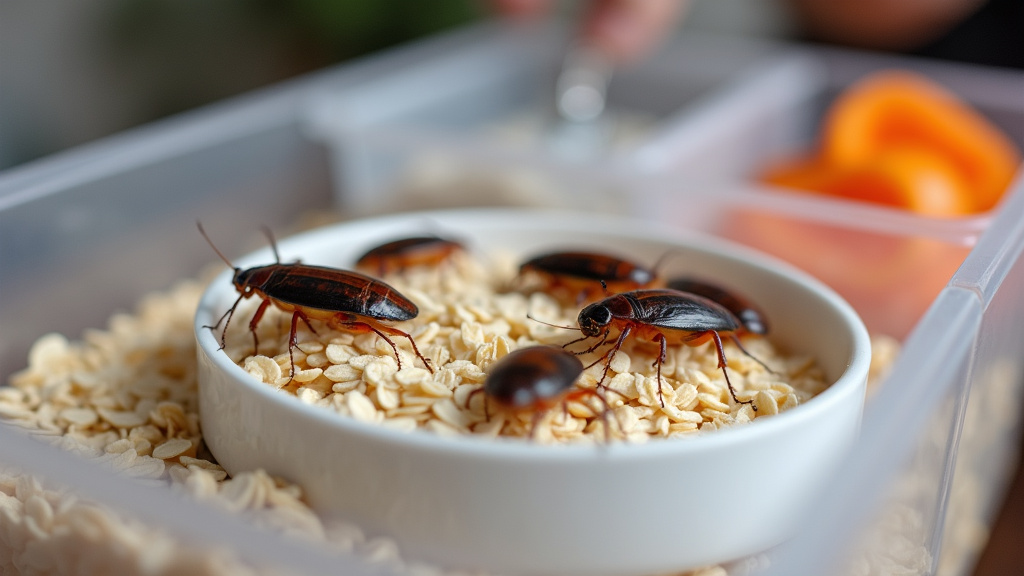
The most nutritionally sound use for oatmeal isn’t feeding it directly to your dragon. It’s feeding it to your dragon’s food.
Gut-loading is the practice of feeding nutrient-rich foods to feeder insects 24-48 hours before offering them to your pet. The insect’s digestive tract becomes a vehicle for those nutrients. Oatmeal is a fantastic, safe gut-load for dubia roaches, discoid roaches, and superworms.
A discussion on the Bearded Dragon.org feeder insect guide highlights using dry, uncooked rolled oats as a staple in insect breeding bins for this exact purpose.
Here’s the method. Fill a small dish in your insect colony with dry, plain rolled oats. Provide a separate dish of water crystals or sliced vegetables for hydration. Let the insects feed on this for at least 24 hours. The oats’ fiber and nutrients get packed into the insect’s gut. When you then dust that insect with calcium powder and feed it to your dragon, your pet gets the benefits of the oatmeal’s fiber indirectly, without the carb overload and phosphorus interference. It’s a win-win.
What Other Grains Are Safe?
Oatmeal is the exception, not the rule. Most grains are unsuitable.
Cooked quinoa or brown rice might be technically non-toxic in a microscopic amount, but they offer the same high-carb, high-phosphorus problems as oatmeal with even less nutritional payoff. Wheat products like bread or pasta are completely off-limits. They expand in the gut, cause severe bloating, and often contain salt, garlic, or onion powder.
Stick to oatmeal as the sole grain-based item, and even then, treat it as a rarity. Your dragon’s digestive system is not built for processed grains. Their diet should be built around the vegetable staples like dandelion greens and squash, with insects like dubia roaches, and the occasional piece of safe fruits for bearded dragons like blueberries.
Frequently Asked Questions
Can bearded dragons eat raw oats?
No. Raw, dry oats are a choking hazard and are difficult to digest. They can swell in the stomach and cause an impaction. Always cook oats until soft and allow them to cool.
My bearded dragon loves oatmeal. Can I feed it daily?
You should not. Daily oatmeal will lead to obesity, nutritional deficiencies, and likely diarrhea. Its high phosphorus content will chronically inhibit calcium absorption, setting the stage for metabolic bone disease (MBD). Love is not a suitable dietary guide.
Is flavored oatmeal ever okay?
Absolutely not. Flavors like maple, brown sugar, apple cinnamon, or “fruit cream” contain sugars, artificial sweeteners, and spices that are toxic to bearded dragons. These can cause digestive upset, neurological issues, and kidney failure.
Can oatmeal help a constipated bearded dragon?
The fiber in a small amount of plain, cooked oatmeal can sometimes help move a mild impaction along. However, it is not a cure. If your dragon is truly constipated (no bowel movement for over a week), the cause is usually dehydration, incorrect basking temperatures, or a poor diet. Address those first and consult a vet. Oatmeal is a band-aid, not a solution.
Are there better treat alternatives to oatmeal?
Yes. For a starchy treat, a small piece of cooked sweet potato or squash is superior. For a “special” food to encourage eating, try a rare treat like a single blueberry or a piece of cantaloupe. These options have better vitamin profiles and less disruptive phosphorus.
The Bottom Line
Oatmeal is a permissible, low-value treat with very strict rules. It serves best as an occasional mixer for a picky adult dragon or, more effectively, as nutrition for the feeder insects in your colony.
The real dietary work happens with daily salads of dark leafy greens, properly gut-loaded and calcium-dusted insects, and consistent hydration. If you choose to use oatmeal, keep it plain, keep it cool, keep it tiny, and keep it rare. Your dragon’s health depends on the nutrients you withhold as much as the ones you provide.