
Can Bearded Dragons Eat Ginger? The Clear Answer & Safer Foods
This post contains affiliate links. As an Amazon Associate, we earn from qualifying purchases.
No, bearded dragons cannot eat ginger. Ginger root offers negligible nutritional value and contains approximately 34mg of phosphorus per 100g, creating a harmful calcium-to-phosphorus ratio. This imbalance prevents calcium absorption, directly risking Metabolic Bone Disease (MBD), a debilitating and often fatal condition for reptiles.
The mistake is thinking a healthy human superfood translates to a safe reptile snack. Ginger’s anti-inflammatory properties for people mean nothing against its dangerous mineral profile for a bearded dragon. Owners see a colorful root vegetable and assume variety is good, but in this case, variety introduces a silent threat.
This guide explains the specific biochemistry that makes ginger toxic, lists the immediate and long-term symptoms of exposure, and provides a complete list of superior, nutrient-dense foods you should feed instead. We’ll also cover what to do if your dragon accidentally takes a bite.
Key Takeaways
- Ginger’s calcium-to-phosphorus ratio is approximately 1:2, which actively blocks calcium uptake and leads to Metabolic Bone Disease.
- Both fresh ginger root and dried ginger powder are unsafe due to this mineral imbalance and lack of essential vitamins like A and beta-carotene.
- Safe, daily staple greens include collard greens, dandelion greens, and turnip greens, which have favorable calcium ratios.
- Fruits should be limited to 1–2 times weekly as high-sugar treats; insects like hornworms and dubia roaches form the essential protein portion of the diet.
- If accidental ingestion occurs, watch for lethargy and tremors, remove all food sources, and provide fresh water while contacting a reptile veterinarian.
The Ginger Problem: Phosphorus, Calcium, and Metabolic Bone Disease
Ginger is not just a bad food for bearded dragons. It is a direct antagonist to their skeletal health. The core issue is mineral blocking. Bearded dragons require a diet where calcium levels are at least equal to, and ideally double, the phosphorus levels. This is non-negotiable for proper bone mineralization and nerve function.
Ginger turns that requirement on its head. Per 100g, it contains about 34mg of phosphorus with only a trace amount of calcium. This creates a calcium-to-phosphorus (Ca:P) ratio near 1:2. In this state, the excess phosphorus binds with calcium in the digestive tract, forming an insoluble compound that the dragon cannot absorb. The body then pulls calcium from its own bones to maintain critical blood calcium levels.
A calcium-to-phosphorus ratio of 1:2 or worse is a direct pathway to Metabolic Bone Disease in bearded dragons. The high phosphorus acts as a lock, preventing dietary calcium from ever entering the bloodstream.
The process is slow and initially invisible. You won’t see a problem the day your dragon nibbles a tiny piece. The damage accrues over weeks and months as the skeletal reservoir depletes. This is why understanding the calcium-to-phosphorus ratio is more important than any vitamin content. A food can be packed with vitamins, but if its mineral ratio is inverted, it becomes poison.
TL;DR: Ginger’s high phosphorus content chemically blocks calcium absorption, forcing the body to cannibalize its own bones and leading directly to Metabolic Bone Disease.
Why “Medicinal Benefits” for Humans Don’t Apply
You might read that ginger has anti-inflammatory or digestive properties. These effects are studied in mammalian systems with completely different metabolisms and mineral requirements. A bearded dragon’s digestive tract and renal system are not equipped to process concentrated plant compounds like gingerol in the same way.
More critically, any theoretical benefit is utterly irrelevant against the concrete, proven risk of calcium depletion. Offering ginger for potential anti-inflammatory effects is like offering a lead weight as a paperweight because it’s heavy. The primary function is destructive.
Common mistake: Assuming a food safe for humans is safe for bearded dragons — ginger, avocado, and rhubarb are all human foods that are toxic to reptiles, each for a different biochemical reason.
Fresh Root vs. Powdered Spice: Is There a Difference?
No. Both forms carry the same fundamental mineral imbalance. Fresh ginger root might pose a slightly lower risk per gram because its water content dilutes the phosphorus concentration, but the Ca:P ratio remains disastrously wrong.
Ginger powder is more concentrated and easier to accidentally include in a food mix. It also often contains additives like anti-caking agents. The rule is absolute: neither form belongs in a bearded dragon’s enclosure. When evaluating new foods, always check our comprehensive safe vegetables list for vetted options.
Recognizing the Symptoms of Mineral Imbalance
If your bearded dragon consumes ginger, either by accident or before you knew the risks, specific symptoms will manifest. They appear in stages, from subtle behavioral shifts to severe physical deformity.
| Stage | Primary Symptoms | Timeline Post-Ingestion | Underlying Cause |
|---|---|---|---|
| Early | Lethargy, decreased appetite, subtle weakness in limbs | 2–7 days | Initial disruption of blood calcium levels affecting muscle and nerve function. |
| Intermediate | Tremors or twitching (especially in toes & tail), softer jaw (rubber jaw), swelling of limbs | 2–4 weeks | Body leaching calcium from bones, leading to demineralization and fibrous tissue growth. |
| Advanced (MBD) | Inability to walk, arched spine or tail, frequent limb fractures, paralysis | 1–3 months | Severe skeletal deformity and fracture due to chronic calcium deficiency. |
The intermediate stage symptoms are the critical warning signs. Tremors look like a fine shaking, often when the dragon is at rest. A softer jaw feels less rigid when you gently touch the lower mandible—it’s spongy. If you see these signs, dietary history is the first thing a reptile vet will investigate.
This is why a varied diet built on known staples is essential. Relying on proven staple greens like turnip greens and dandelion greens provides a safety net against accidental nutrient deficiencies.
What to Feed Instead: Building a Bulletproof Diet
Replace ginger with foods that actively support health. A bearded dragon’s diet is omnivorous, split between plant-based and animal-based foods. The plant portion should be 80-90% leafy greens and flowers, with only 10-20% fruit.
Here are the top-tier alternatives, categorized by how often to feed them. This list prioritizes calcium availability and overall nutrient density.
Daily Staples (The Foundation):
- Collard Greens: The gold standard. High calcium, low oxalates, excellent fiber.
- Dandelion Greens: Not the flowers from treated lawns, but store-bought or home-grown greens. Rich in calcium and vitamin A.
- Turnip Greens: Another top-tier green with a fantastic Ca:P ratio.
- Escarole & Endive: Great for adding variety without nutritional compromise.
Weekly Rotators (2-3 times per week):
- Mustard Greens
- Bok Choy
- Arugula: A peppery salad greens like arugula that adds variety.
- Butternut Squash (grated)
- Bell Peppers (red & yellow, finely chopped)
Occasional Treats (Once a week or less):
- Fruits: Blueberries, raspberries, mango. Consult a safe fruits list for details.
- Herbs: Basil, cilantro, parsley. These safe herbs for bearded dragons like cilantro as a herb are fine in tiny amounts for aroma but lack the mineral density of staple greens.
Protein Sources (Frequency depends on age):
- Hornworms: Excellent hydration and calcium.
- Dubia Roaches: Nutritious and easy to gut-load.
- Black Soldier Fly Larvae (Calciworms): Naturally high in calcium.
- Crickets: A classic, but always gut-loaded and dusted.
The Calcium Supplementation Non-Negotiable
Even perfect greens need support. You must dust insects with a calcium powder supplement at almost every feeding for juveniles, and 4-5 times a week for adults. Use a calcium powder without added vitamin D3 for daily use, and a calcium with D3 powder 1-2 times a week, assuming your dragon has proper UVB lighting.
Without adequate UVB light, a bearded dragon cannot synthesize vitamin D3, which is the hormone required to absorb calcium from the gut. No amount of dietary calcium works without it. This is the trio: correct Ca:P ratio in food + calcium supplementation + UVB light. Remove one leg, and the table collapses.
Foods to Absolutely Avoid Beyond Ginger
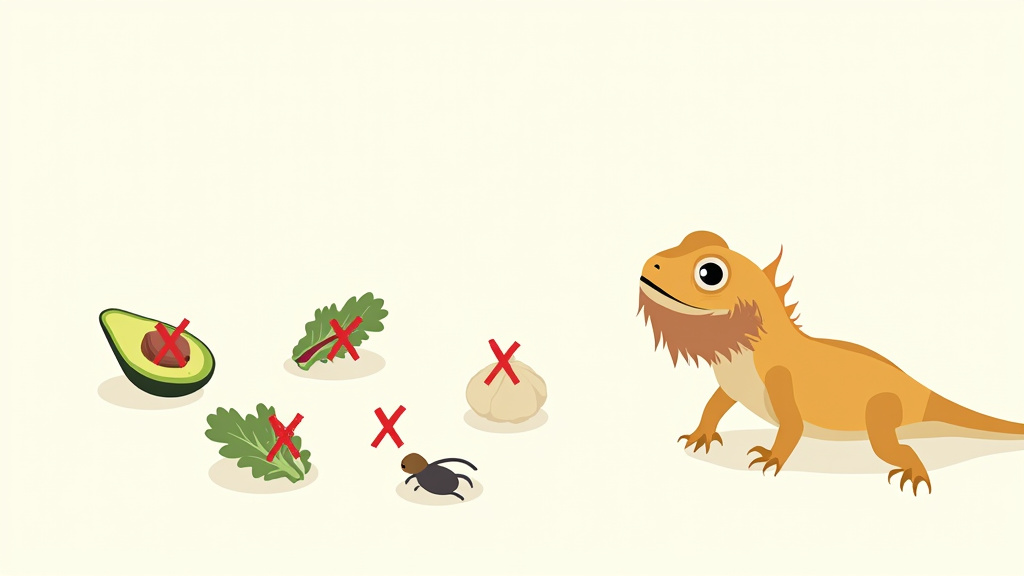
Ginger is not a unique threat. Several common foods are toxic or severely problematic. Memorize this shortlist.
Toxic (Never Feed):
- Avocado (contains persin, cardiotoxic)
- Rhubarb (leaves are extremely high in oxalic acid)
- Fireflies/Lightning Bugs (fatally toxic to all reptiles)
- Onion, Garlic, Chives (cause hemolytic anemia)
High-Risk (Feed Very Rarely or Never):
- Spinach & Swiss Chard: Very high in oxalates that bind calcium. We have a full guide on the oxalate content in spinach if you’re curious.
- Kale: Often debated. It has calcium but also oxalates and goitrogens. It’s best as a weekly item, not a daily staple. Our article on kale for bearded dragons breaks down the safe limits.
- Iceberg Lettuce, Celery: Nutrient-poor, mostly water.
Common mistake: Feeding light-colored, watery vegetables like iceberg lettuce — they fill the dragon up with zero nutritional value, leading to malnutrition even if the dragon “eats well.”
Practical Preparation: From Market to Terrarium
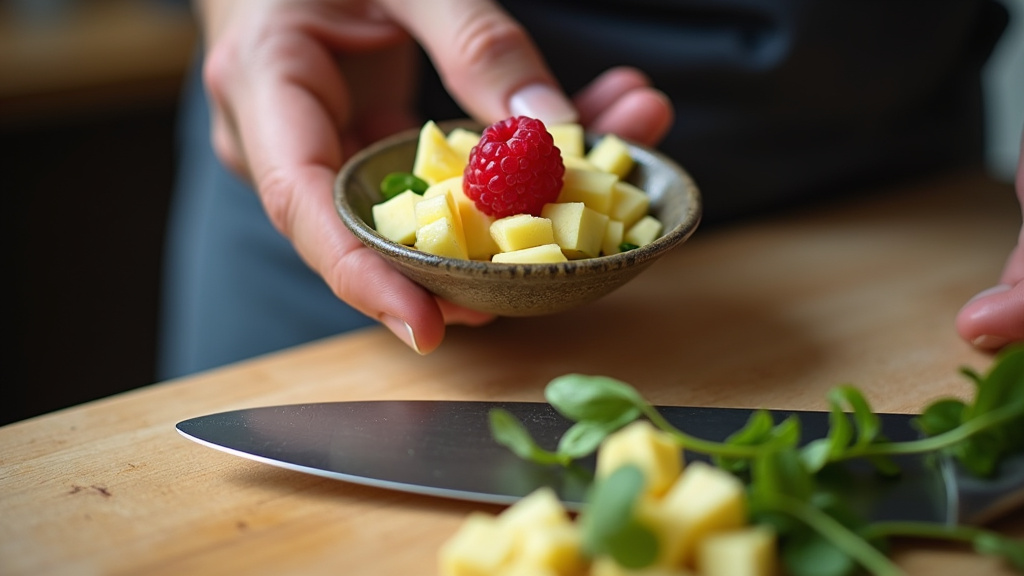
How you prepare food matters as much as what you choose. Follow these steps to ensure safety and maximize nutrient uptake.
- Source Wisely: Buy organic when possible, especially for greens like dandelion where pesticide residue is a concern. Wash all produce thoroughly under cool running water.
- Chop Correctly: Pieces should be no larger than the space between your dragon’s eyes. This prevents impaction and makes eating easier. Use a sharp knife for clean cuts; tearing greens can bruise them.
- Serve Raw: Never cook, freeze, or thaw vegetables for your bearded dragon. Cooking alters nutrient bioavailability and breaks down cell walls in a way their gut flora isn’t adapted to handle. Serve everything fresh and at room temperature.
- Present Effectively: Use a shallow, heavy ceramic dish to prevent tipping. Mix in a colorful, safe treat like a single raspberry to encourage investigation of the new greens.
For more detailed preparation techniques for specific vegetables, our vegetable feeding guidelines offer step-by-step instructions.
What to Do If Your Bearded Dragon Ate Ginger
Stay calm. A single, small accidental bite is unlikely to cause immediate crisis, but it requires a proactive response.
First, remove any remaining ginger and clear the food dish. Provide fresh water. Do not attempt to induce vomiting. Monitor your dragon closely for the next 48 hours for the early symptoms listed in the table: lethargy, lack of appetite, or unusual stillness.
Increase your calcium supplementation slightly for the next few feedings. Dust their insects heavily with calcium powder without D3. Offer their favorite, most hydrating staples, like collard greens and hornworms.
If you observe any tremors, twitching, or weakness, contact a reptile veterinarian immediately. Be prepared to tell them what was eaten, how much, and when. They may recommend a liquid calcium supplement or other interventions.
The goal is to flood the system with available calcium to out-compete the phosphorus from the ginger. This incident also underscores the value of a regular check-up. A vet can perform a blood calcium test to establish a baseline for your pet’s health.
Frequently Asked Questions
Can bearded dragons eat ginger for an upset stomach?
No. While ginger can soothe human stomachs, there is no evidence it helps bearded dragons, and the risk of calcium-phosphorus imbalance is severe. For digestive issues, ensure proper temperatures in the enclosure, offer hydration via hornworms or a water dropper, and consult a vet.
What about ginger in processed foods or supplements?
Avoid any processed human food, including sauces, baked goods, or supplements containing ginger. The concentration and added ingredients (sugar, salt, oils) are inappropriate and dangerous for reptiles.
Are there any safe herbs I can feed my bearded dragon?
Yes, in strict moderation. Herbs like basil, cilantro, and parsley can be offered as occasional garnishes for variety. They are not nutritionally complete but are safe. Focus the bulk of the diet on powerhouse nutritious greens and appropriate insects.
My dragon took one bite and spit it out. Is he okay?
Likely yes. The pungent, spicy taste of ginger is often a deterrent. The tiny amount ingested probably won’t cause harm, but follow the monitoring steps outlined above. Their rejection of it is a good natural instinct.
How do I balance calcium and phosphorus without a nutrition degree?
Use trusted staple greens (collard, dandelion, turnip) as your foundation. Dust insects with calcium powder. Provide a linear UVB tube light that covers half the enclosure and is replaced every 6-12 months. This routine covers 95% of the needs for most dragons.
Can baby bearded dragons eat ginger?
Absolutely not. Juveniles require even more calcium for rapid bone growth. Their higher metabolic rate means nutritional imbalances cause damage faster. Their diet should be 70-80% appropriately sized insects, all dusted with calcium, and 20-30% finely chopped staple greens.
The Bottom Line
Ginger has no place in a bearded dragon’s diet. Its mineral profile actively undermines skeletal health, making it a liability, not a treat. The commitment to a safe diet isn’t about restriction—it’s about choosing foods that build strength and longevity.
Stick to the proven staples: collard greens, dandelion greens, and a variety of gut-loaded insects. Supplement with calcium. Invest in quality UVB lighting. This formula is simple, effective, and eliminates guesswork. When in doubt, a reliable list of safe vegetables is a better guide than culinary curiosity. Your dragon’s health is built one correct feeding at a time.