
Can Bearded Dragons Eat Millipedes? The Toxic Truth
This post contains affiliate links. As an Amazon Associate, we earn from qualifying purchases.
No, bearded dragons should never eat millipedes. Many millipede species secrete cyanide and other toxins as a defense mechanism, which are poisonous to reptiles. Even non-toxic millipedes have an exoskeleton made of hard, indigestible chitin that leads to bowel impaction. They also carry parasites and offer negligible nutritional value.
The mistake is thinking any small, crawling bug is a potential snack. Bearded dragons are opportunistic eaters, but their digestive systems evolved for specific prey. Millipedes are not insects; they’re myriapods with a completely different chemical and physical profile. Feeding one is playing Russian roulette with your pet’s health.
This guide breaks down the three specific dangers millipedes pose, shows you exactly what to do if an accidental ingestion happens, and lists the safe, nutritious alternatives you should be feeding instead.
Key Takeaways
- Cyanide is the immediate killer. Many common millipedes, like the North American Apheloria genus, excrete hydrogen cyanide when threatened. This toxin binds to cellular enzymes and suffocates your dragon at a metabolic level.
- Chitin causes slow, silent impaction. A millipede’s shell doesn’t break down in a reptile’s gut. It forms a dense, obstructive mass that can require surgical intervention if not caught early.
- Activated charcoal is your first-aid kit essential. Having a reptile-safe activated charcoal paste on hand and knowing the correct dosage by weight can buy critical time before reaching a vet.
- Wild-caught equals unknown risk. A millipede from your garden likely carries pesticide residue, roundworm parasites, or fungal spores that introduce secondary infections.
- The risk never matches the reward. Millipedes offer less than 10% usable protein and almost no calcium. A single appropriately gut-loaded cricket provides more nutrition with zero of the life-threatening risks.
The Three Risks of Millipedes (Toxin, Chitin, Parasites)
Head design changes the entire process. Look at the business end of your trimmer.
Millipedes aren’t just bad food. They are a combination of three distinct threats that stack. Most articles mention “toxicity” vaguely. The specific poison is hydrogen cyanide, produced in specialized glands called ozopores along the millipede’s body segments. When crushed or stressed, the glands release the compound as a gas or liquid. A bearded dragon biting down triggers this defense instantly.
The chitin risk is mechanical. A millipede’s exoskeleton is a polymer of N-acetylglucosamine, the same material as insect shells but often thicker and more mineralized. A reptile’s stomach acid and gut flora cannot degrade it efficiently. The pieces accumulate, much like hair in a cat, but far more rigid. They scrape the intestinal lining and compact into a blockage.
Many true millipedes in the orders Polydesmida and Julida can expel hydrogen cyanide, quinones, or benzoquinones from their defensive glands. These compounds are cytotoxic and respiratory inhibitors, causing rapid systemic failure in small vertebrates like lizards.
Parasites are the silent third variable. Nematodes and cestodes use millipedes as intermediate hosts. Your dragon becomes the final host. I learned this the hard way with a rescued adult that had a taste for wild pill bugs. The pill bugs carried pinworms. The deworming protocol took six weeks and the dragon never regained its previous appetite. Wild invertebrates are biological lottery tickets you don’t want to cash.
TL;DR: Millipedes deliver a triple threat: chemical poison from cyanide glands, physical blockage from indigestible chitin, and biological contamination from internal parasites.
Why Cyanide is a Reptile-Specific Problem
Cyanide toxicity works by inhibiting cytochrome c oxidase, the last enzyme in the mitochondrial electron transport chain. It literally stops cells from using oxygen. Mammals, including humans, have a more robust detoxification pathway via the enzyme rhodanese, which converts cyanide to less toxic thiocyanate. Reptilian metabolism is slower and their enzymatic pathways for dealing with such potent alkaloids are less efficient.
A small dose that might give a mammal a headache can cause a bearded dragon to go into respiratory distress within an hour. The symptoms aren’t subtle. You’ll see gaping, labored breathing, a sudden black beard that doesn’t fade, and profound lethargy. The dragon might tilt its head or have trouble coordinating its limbs as neural hypoxia sets in.
The millipede doesn’t need to be large. A juvenile dragon eating a single one-inch millipede can receive a lethal dose. Size matters less than the millipede’s species and the concentration of its defensive chemicals. Since most owners can’t identify millipede species on sight, the rule is absolute: no millipedes.
Common mistake: Assuming a dead millipede is safe, cyanide compounds remain active in the millipede’s tissues for days after death. A dragon scavenging a carcass is still at high risk for poisoning.
What Happens If a Bearded Dragon Eats a Millipede?
Wind direction decides whether the head feeds or jams.
The timeline tells the story. In the first 30 minutes, you might not see anything. The dragon may continue basking normally. The cyanide is being absorbed from the gut. Between 1 and 4 hours post-ingestion, observable symptoms begin. The classic presentation is the sudden onset of a jet-black beard without any apparent stressor, paired with keeping the eyes closed.
By the 6-hour mark, if a toxic dose was ingested, neurological signs appear. The dragon may struggle to lift its body, drag its limbs, or have a fixed, staring gaze. Breathing becomes visibly effortful, the chest and throat will pulse with each breath. This is a critical emergency. Without veterinary intervention involving specific antidotes like hydroxocobalamin, the outcome is fatal.
If the dragon survives the acute toxin phase, the chitin problem emerges over the next 3 to 7 days. You’ll notice a lack of fecal output, a distended lower abdomen, and loss of appetite. The dragon may strain unsuccessfully to pass feces. This is impaction. It requires veterinary treatment with laxatives like lactulose or, in severe cases, surgery.
| Time After Ingestion | Primary System Affected | Observable Symptoms | Severity |
|---|---|---|---|
| 0–60 minutes | Gastrointestinal | None to mild lethargy | Low |
| 1–4 hours | Respiratory / Integumentary | Black beard, gaping, eyes closed | High – Emergency |
| 4–12 hours | Neurological | Limb weakness, ataxia, fixed stare | Critical – Fatal without vet care |
| 24 hours – 7 days | Digestive | No feces, swollen abdomen, anorexia | High – Requires vet treatment |
The long-term consequences aren’t discussed enough. Even if the dragon pulls through, the damage to the intestinal lining from chitin shards and the metabolic shock from cyanide can have lasting effects. I’ve seen dragons become “picky eaters” after such an event, likely due to associative gut pain. Their growth can be stunted, and they may be more susceptible to future parasites from frogs or other pathogens because of a compromised gut barrier.
TL;DR: Symptoms progress from a black beard and lethargy within hours to neurological decline and potential death from cyanide, followed by impaction days later. The entire sequence demands immediate and sustained veterinary attention.
Step-by-Step: What to Do Right Now If Ingestion Occurs
Follow the right sequence and the swap takes five minutes.
- Remove any remaining millipede parts. Gently open your dragon’s mouth and use damp tweezers to pick out any visible pieces. Do not force a water rinse, as this can stress the animal further and accelerate toxin absorption.
- Administer activated charcoal. This is the most important step you can take at home. Use a product like ToxiBan or a vet-recommended activated charcoal paste. The dosage is typically 1 gram of charcoal per 100 grams of reptile body weight, mixed with water into a slurry. Draw it into a 1ml syringe. Gently insert the syringe tip into the side of the mouth and depress slowly, allowing the dragon to swallow. This binds toxins in the gut before they enter the bloodstream.
- Provide optimal heat. Place your dragon in its enclosure directly under its basking lamp. Heat supports metabolism and can help the body process stress. Ensure the basking spot surface temperature is between 100-105°F (38-40°C) as measured by a digital thermometer. Do not guess.
- Monitor and document. Set a timer for every 15 minutes. Note breathing rate, beard color, alertness, and any unusual postures. Take photos or videos if symptoms develop. This documentation is invaluable for the veterinarian.
- Call your exotic veterinarian immediately. Do not wait for symptoms to worsen. Tell the vet: “My bearded dragon ingested a millipede. I have administered activated charcoal. The dragon’s weight is X grams. Current symptoms are Y.” Follow their instructions for bringing the dragon in.
Skipping the activated charcoal step because you don’t have any is the most common error. The binding agent must be given within the first hour to be most effective. By the time you see a black beard, a significant amount of toxin has already been absorbed. Keeping a small bottle of activated charcoal powder in your reptile first-aid kit is non-negotiable, just as vital as understanding safe earthworms for a varied diet.
Before you start: Handling a stressed, potentially poisoned dragon risks a defensive bite or scratch. Work on a low, padded surface. Have a second person assist if possible. Never administer any human medications or home remedies not approved for reptiles.
Safe Feeder Insects vs. Millipedes: A Nutritional Comparison
Restringing rewards patience. Force the line, force the cover, force the wind direction, all three break things.
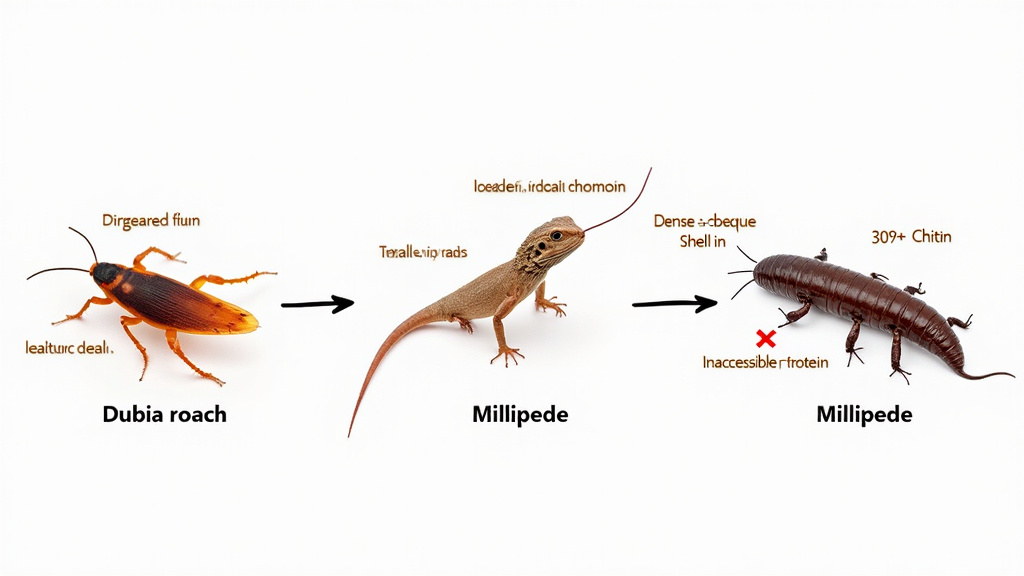
The argument some might make is “but it’s protein.” Let’s compare the numbers. The crude protein content in a millipede is mostly inaccessible due to the chitin-bound structure. A study on arthropod nutritional analysis shows millipedes have a chitin content exceeding 30% of their dry weight. That chitin passes through as insoluble fiber, providing no energy.
Now look at a staple feeder like a dubia roach. Its chitin content is thin and pliable, its protein is highly digestible, and it has an ideal calcium-to-phosphorus ratio when gut-loaded. It’s a complete package. Feeding a millipede is like offering a walnut in its shell to someone without a nutcracker. The effort is high, the reward is minimal, and the risk of damage is real.
| Feeder | Protein (Dry Matter %) | Chitin Content | Calcium:Phosphorus Ratio | Risk Profile | Best For |
|---|---|---|---|---|---|
| Dubia Roach | 35% | Low, digestible | 1:1 (when gut-loaded) | Very Low | Staple for all ages |
| Cricket | 21% | Moderate | 1:9 (requires dusting) | Low (can bite) | Staple, enrichment |
| Hornworm | 9% | Very Low | 1:3 | Very Low | Hydration, treat |
| Millipede | <10% (inaccessible) | Very High (30%+) | Poor, inverse | Very High (Toxin, Impaction) | Never feed |
The table makes the choice obvious. We build robust health through consistent, safe nutrition from staple insect feeders like dubias and crickets. Treats like hornworms or silkworms add variety and moisture. Millipedes occupy no column in a responsible feeding plan. This is why focusing on optimal protein sources is fundamental to bearded dragon care.
TL;DR: Nutritionally, millipedes are all shell and no payoff. Their hard chitin blocks nutrient absorption and their protein is locked away, making them vastly inferior to every common feeder insect.
How to Prevent Accidental Millipede Encounters
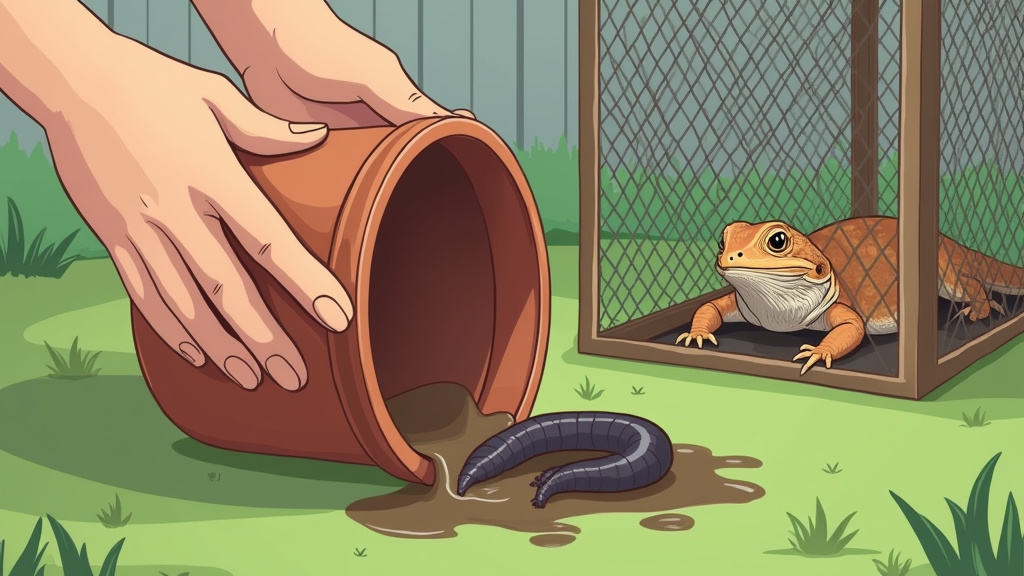
Most exposures happen during supervised outdoor time. Bearded dragons are curious foragers. A millipede curling under a leaf is an irresistible moving target. Prevention is about environmental control.
First, inspect the outdoor area thoroughly before placing your dragon down. Lift pots, turn over logs, and check leaf litter in a 10-foot radius. Millipedes favor damp, dark micro-habitats. Secondly, consider using a secure, enclosed reptile playpen on a patio or deck instead of free-ranging on grass. This creates a physical barrier.
During indoor cage cleaning, be vigilant. Millipedes can sometimes sneak into homes and find their way into warm, humid reptile rooms. Keep the area around the enclosure free of clutter and cardboard, which they love. If you use bioactive substrates, ensure your clean-up crew is composed of safe species like springtails and isopods, never introduce millipedes as part of the “cleanup crew,” a dangerous trend I’ve seen in some forums.
Finally, education is key. Everyone in the household should know that millipedes are forbidden. This includes well-meaning kids who might think they’re offering a cool bug they found. Redirect that instinct toward collecting safe dandelion greens or setting up a cricket feeder. Understanding the severe dangers of toxic centipedes also reinforces the “no wild bugs” rule across the board.
Frequently Asked Questions
My bearded dragon just ate a small millipede from the garden. It was only about an inch long. Should I be worried?
Yes, you should be very worried. Size is not a reliable safety indicator. Many small millipede species are highly toxic. The cyanide dose is relative to the dragon’s body weight, and a juvenile dragon is at extreme risk. Follow the immediate action steps: administer activated charcoal if you have it, provide heat, and call your exotic vet now. Do not adopt a wait-and-see approach.
Are there any types of millipedes that are safe for bearded dragons?
No credible herpetologist, breeder, or veterinarian recommends any millipede species as a safe feeder. While toxicity varies, the universal risks of impaction from high chitin and parasite transmission remain. The potential consequence of a mistake, paralysis or death, outweighs any negligible benefit. Stick to proven, nutritious safe worm feeders like silkworms or hornworms if you want variety.
What does impaction from a millipede look like?
The signs develop days after ingestion. Your dragon will stop producing normal feces. Its lower abdomen, just above the vent, may appear swollen or firm to the touch. It will lose all interest in food, even favorite treats. You may see it straining in its basking spot without passing anything. These symptoms require a vet visit for diagnosis and treatment, which may involve X-rays, fluids, and laxatives.
I gave my dragon a millipede a week ago and he seems fine. Is he in the clear?
Not necessarily. You may have avoided acute cyanide poisoning, but the impaction risk has a longer timeline. The chitin fragments can accumulate slowly. Monitor its feces closely for the next two weeks. If they become small, dry, or infrequent, or if the dragon’s appetite declines, impaction could still be developing. This is a documented pattern in reptile owner forum incident threads. Consider a wellness check with your vet to be safe.
What are the best immediate alternatives if I’m out of feeder insects?
If your regular feeders are gone, offer a larger portion of finely chopped, nutrient-rich greens like collard, mustard, or dandelion greens. You can also scramble a plain egg (no oil, salt, or milk) as a very occasional protein boost in a true pinch. Better yet, always maintain a backup colony of live feeder insects like dubia roaches, which are easy to breed at home.
Can the toxins from a millipede affect other pets, like cats or dogs?
Yes. The cyanogenic compounds in millipedes are also toxic to mammals, including cats and dogs. While a larger mammal might not ingest a lethal dose from a single millipede, it can cause drooling, vomiting, and neurological symptoms. It’s another strong reason to remove millipedes from your home and yard whenever you find them.
The Bottom Line
Millipedes are a hard no. The combination of chemical weaponry, indigestible armor, and hidden parasites makes them one of the most dangerous items a bearded dragon could ingest. The safe path is clear and simple.
Focus on building a diet around reliable, nutritious juvenile feeder insects for young dragons and robust worm feeder options for variety. Keep activated charcoal in your emergency kit. Most importantly, supervise outdoor time with the understanding that your dragon’s curiosity is a liability, not a cute trait. Their health depends on your vigilance.