
Can Bearded Dragons Eat Ferns? Toxicity & Safe Plant Guide
This post contains affiliate links. As an Amazon Associate, we earn from qualifying purchases.
No, bearded dragons cannot eat ferns. Most common household and garden ferns contain compounds that are irritating or toxic to reptiles. Ingesting even a small amount can cause mouth irritation, digestive upset, and more severe health issues. You should never intentionally feed any type of fern to your bearded dragon.
The mistake happens because ferns look like harmless, leafy greens. A curious dragon might nibble a frond from a houseplant, or an owner might think wild foraged plants are safe. The reality is that ferns evolved chemical defenses that don’t sit well with a reptile’s digestive system.
This guide breaks down exactly which ferns are dangerous, what makes them toxic, the symptoms to watch for, and, most importantly, a full list of proven-safe plants you can feed with confidence.
Key Takeaways
- All common ferns are unsafe. Boston, Asparagus, and Maidenhair ferns contain irritants or toxins that can cause oral burning, vomiting, and lethargy in bearded dragons.
- Oxalates are the hidden problem. Many ferns contain calcium oxalate crystals, which bind to dietary calcium and can contribute to metabolic bone disease over time.
- Symptoms can be delayed. Signs of discomfort like reduced appetite or unusual droppings may not appear for 24-48 hours after ingestion.
- Stick to verified staples. Replace risky plants with nutritionally complete greens like collard greens, dandelion greens, and mustard greens, which have ideal calcium-to-phosphorus ratios.
- When in doubt, leave it out. If you cannot 100% identify a plant as safe, it does not belong in your dragon’s tank or diet.
Why Ferns Are a Firm “No” for Bearded Dragons
Ferns are not built for reptile consumption. They lack the nutritional profile of safe leafy greens and instead pack defensive chemicals. The primary issue is the presence of calcium oxalate crystals, specifically in the form of raphides.
These are microscopic, needle-shaped crystals embedded in the plant’s tissue. When chewed, they physically penetrate soft tissues in the mouth and gut, causing immediate mechanical irritation. That initial sting is often enough to make a bearded dragon stop eating. But the deeper problem is biochemical. Oxalates bind to calcium in the digestive tract, forming an insoluble compound that the body cannot absorb.
Ferns like the Boston fern (Nephrolepis exaltata) contain soluble oxalates. Upon ingestion, these oxalates bind with available calcium in the gut, preventing its absorption. Over repeated exposure, this calcium leaching can contribute to the development of metabolic bone disease, a debilitating condition characterized by weak, brittle bones and deformities.
I learned this the hard way with a rescued dragon that came with a terrarium decorated with a small Boston fern. The dragon seemed fine for a week. Then it started refusing its salads and became lethargic. A reptile vet identified mild stomatitis, mouth inflammation, likely from initial nibbling we didn’t witness. The fern was the only new variable. We removed it, switched to a slurry of critical care and calcium, and the dragon bounced back in about ten days. That fern cost a $120 vet visit.
TL;DR: Ferns hurt twice, first with physical crystal irritation, then by stealing usable calcium from your dragon’s diet.
Which Ferns Are Specifically Toxic?
Not all ferns are equally dangerous, but common varieties are all unsuitable. The toxicity ranges from mild irritants to plants with documented systemic toxins.
| Fern Species | Common Name | Primary Toxin/Risk | Observed Symptoms in Reptiles |
|---|---|---|---|
| Nephrolepis exaltata | Boston Fern | Soluble oxalates | Oral irritation, drooling, reduced appetite |
| Asparagus aethiopicus | Asparagus Fern | Sapogenins & irritants | Dermatitis, GI upset, vomiting |
| Adiantum spp. | Maidenhair Fern | Unknown irritants | Mild GI disturbance, lethargy |
| Pteridium aquilinum | Bracken Fern | Ptaquiloside (carcinogen) | Thiamine deficiency, neurological issues, potential long-term cancer risk |
The Bracken fern is the most severe. According to a University of California Agriculture and Natural Resources toxic plant database, Bracken fern contains ptaquiloside, a potent carcinogen linked to urinary tract cancers in livestock. While a dragon is unlikely to consume a large quantity, the risk is absolute and unnecessary.
Common mistake: Assuming a “non-toxic” label for pets means safe for reptiles, that label is almost always for cats and dogs. A plant safe for a mammal can still be toxic to a bearded dragon due to their unique metabolism.
Your dragon won’t differentiate between fern types. The safest policy is to exclude the entire plant family, Pteridophyta, from their environment. This includes removing them from any room where your dragon has free-roam time, as fallen dried fronds can still be ingested.
The Immediate Signs of Fern Ingestion
You need to know what to look for if you suspect your dragon has taken a bite. Symptoms depend on the amount consumed and the fern type, but they generally follow a pattern.
- Within the first few hours: You might see immediate signs of oral discomfort. This includes excessive rubbing of the mouth against decor, pawing at the face, or visible redness around the lips. Drooling or strings of saliva are a red flag.
- 12-24 hours later: Digestive symptoms emerge. This is often a sudden loss of appetite or refusal of favorite insects. Lethargy sets in, your dragon may bask but not move much. Unusual droppings, either extremely watery or strangely colored, can appear.
- 24-48 hours post-ingestion: If a significant amount was eaten, more systemic signs can develop. These include tremors, weakness in the limbs, or a black beard that persists without an obvious trigger like stress.
Here’s what to do the moment you see any of these signs and connect them to a fern:
* Remove the plant immediately. Get every bit of it out of the enclosure.
* Offer fresh water. Hydration can help flush irritants.
* Do not induce vomiting. This can cause more harm.
* Contact a reptile veterinarian. Describe the plant (a photo helps) and the symptoms. They may advise monitoring or an urgent visit.
The timeline is why vigilance matters. That delayed lethargy can be mistaken for simple tiredness until the dragon is seriously unwell.
The Safe Plant Shortlist: What to Feed Instead
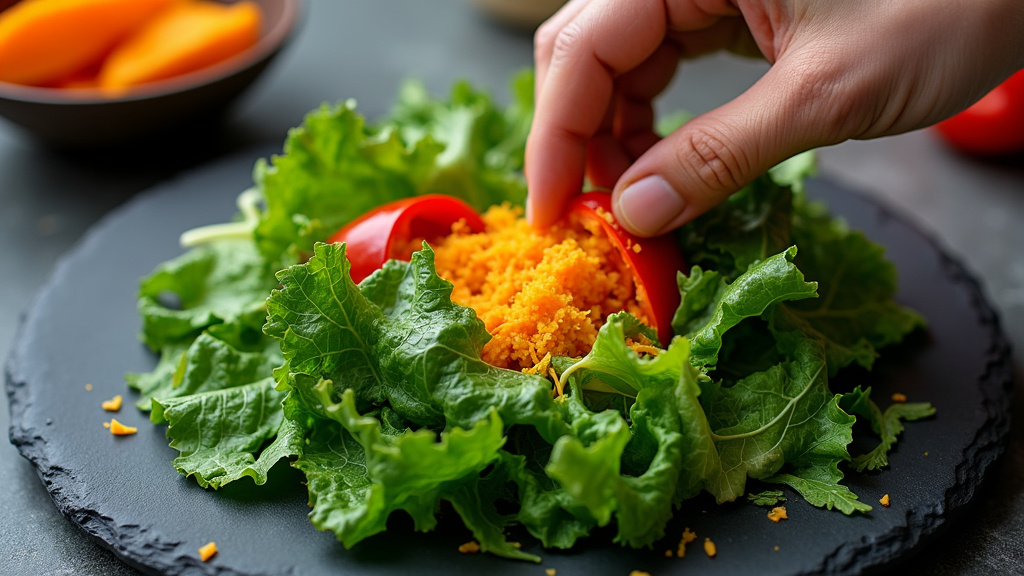
Replace uncertainty with nutritionally dense, verified-safe plants. The goal is a variety of staple greens that form the bulk of an adult dragon’s salad, supplemented with occasional treats.
A great salad starts with a base of one or two staple greens. These are low in oxalates and goitrogens, and have a positive calcium-to-phosphorus ratio (ideally 2:1 or higher). My daily go-to is a mix of collard greens and endive. It’s boring for me, but it’s the bedrock of their health.
| Staple Greens (Feed Daily) | Calcium:Phosphorus Ratio | Why It’s a Winner |
|---|---|---|
| Collard Greens | 14.5:1 | Exceptionally high calcium, very low oxalates. |
| Dandelion Greens | 2.8:1 | Highly nutritious, readily foraged (pesticide-free!). |
| Mustard Greens | 2.4:1 | Good calcium, adds variety to flavor and texture. |
| Turnip Greens | 4.5:1 | Another high-calcium option, slightly peppery taste. |
| Escarole | 1.8:1 | Mild flavor, good hydration, easy to find. |
Rotate through these to prevent boredom and ensure a broad nutrient intake. To this base, you can add smaller amounts of safe vegetables like grated squash, bell peppers, and the occasional green bean for texture.
Occasional herbs can be offered for variety. A few leaves of basil or cilantro once a week add a nice aroma. I’ll sometimes use a sprig of thyme as a garnish, it’s safe in tiny amounts and some dragons enjoy the scent. Remember, herbs are treats, not staples.
I prefer mixing two staple greens daily over a single type. It ensures that if one batch from the store is weak, the other covers the nutritional gap. A dragon that eats only collard greens for months might miss out on the different micronutrients in dandelion or mustard greens.
The list of toxic plants you must avoid extends far beyond ferns. It includes all common houseplants like ivy, philodendron, and dieffenbachia, as well as outdoor plants like rhubarb leaves, oleander, and nightshades. When building your dragon’s safe vegetables list, stick to the proven winners.
How to Safely Forage and Prepare Greens
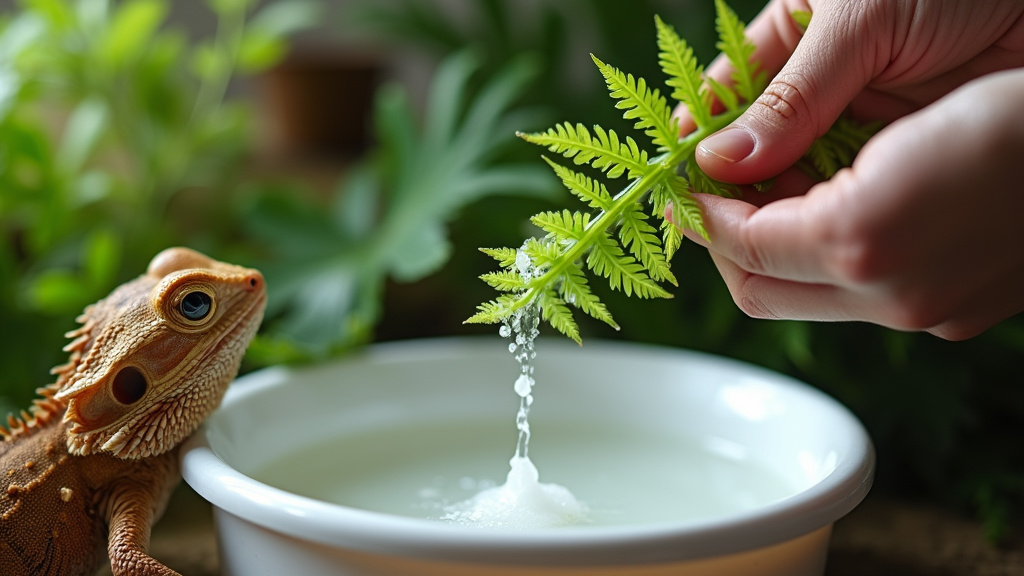
Foraging can provide fantastic variety, but it introduces risk. The rule is: if you can’t identify it with 100% certainty, don’t pick it.
- Location is everything. Never forage from roadsides (exhaust fumes), public parks (likely sprayed with herbicides), or manicured lawns (chemical fertilizers). Your own backyard, if you don’t use pesticides, is the best source.
- Positive identification required. Use a plant ID app and cross-reference with a reputable foraging guide for your region. Know what dandelions look like at every stage of growth, for example.
- Wash with extreme prejudice. Soak foraged greens in a bowl of cold water with a splash of white vinegar for 10 minutes. Swirl them around, then rinse under running water. This removes soil, potential parasites, and residual contaminants.
- Pat dry before serving. Excess water on leaves can cause runny stools. A salad spinner is a worthy investment.
For store-bought greens, washing is still non-negotiable. It removes the protective wax coatings and any handling residues. Organic is preferable, but washing conventional produce thoroughly is still safe. Preparing a batch of washed and chopped dandelion greens at the start of the week makes daily feeding effortless.
Building a Beardie-Safe Habitat with Live Plants
Many owners want the natural look of live plants in the enclosure. This is possible, but the plant selection is extremely limited. The best approach is to use potted plants that can be removed for watering and inspection.
Truly safe live plant options:
- Haworthia & Echeveria (Succulents): These are safe if your dragon nibbles them. They tolerate dry, hot tank conditions well. Plant them in sterile, fertilizer-free soil and cover the soil surface with large, smooth river rocks to prevent ingestion.
- Air Plants (Tillandsia): Mounted on driftwood, they pose almost no risk of ingestion and add great visual texture.
Critical rules for tank plants:
- No soil additives. Use organic, fertilizer-free potting mix. Better yet, use a sterile substrate like coconut coir for the plant’s pot.
- Quarantine new plants. Keep any new plant isolated from your dragon’s tank for at least 2-3 weeks. Check thoroughly for pests like aphids or mites.
- Monitor for nibbling. If your dragon shows any interest in eating the plant, remove it immediately. Even safe plants are not meant to be a food source.
This is one area where fake plants are often the smarter choice. They provide the enrichment and hiding spots without any risk of toxicity or soil ingestion. If you go the live route, treat it as decorative landscaping, not a salad bar.
Frequently Asked Questions
What if my bearded dragon ate a tiny piece of fern?
Monitor closely for 48 hours. Offer plenty of water and its favorite safe foods. If you observe any symptoms, lethargy, not eating, mouth-pawing, or unusual droppings, contact a reptile vet immediately. A single small bite may only cause minor irritation, but don’t gamble.
Are any ferns safe for bearded dragons?
No. While some online lists may claim certain ferns are “non-toxic,” this classification is typically for cats and dogs. From a reptile nutrition and safety standpoint, no fern provides beneficial nutrients and all carry risks from oxalates or other irritants. It is best to consider all ferns unsafe.
How can I tell if a plant is a fern?
Look for fronds, leaves that are divided into smaller leaflets (pinnate). Check the underside of the leaf for rows of small brown or black dots (sori), which are spore cases. If you see these structures, it’s a fern and should be excluded from your dragon’s environment.
What are the best safe greens to feed daily?
Collard greens, dandelion greens, and escarole are top-tier daily staples. Mustard greens and turnip greens are excellent rotational options. These provide the high calcium, low oxalate, and good hydration your dragon needs. Always wash them thoroughly.
My dragon ate a plant I can’t identify. What should I do?
Take a clear photo of the plant and contact your reptile vet or an animal poison control hotline immediately. Do not wait for symptoms. If possible, bring a sample of the plant with you to the vet. This is an emergency situation.
Before You Go
Ferns have no place in a bearded dragon’s diet or habitat. The risks from oxalates and other toxins far outweigh any nonexistent benefits. Your dragon’s health hinges on the plants you choose to offer.
Stick to the powerhouse greens like collard and dandelion. Use the safe plant lists as your bible, and when curiosity strikes, yours or your dragon’s, remember the simple rule: when in doubt, leave it out. A varied diet of verified foods is the surest path to a thriving, long-lived bearded dragon. Focus on the greens that build them up, not the ones that can break them down.