
Can Bearded Dragons Eat Cabbage? Yes, But Follow These Rules
This post contains affiliate links. As an Amazon Associate, we earn from qualifying purchases.
Bearded dragons can eat cabbage, but only specific types and in strict moderation. Red cabbage is the safest choice, followed by green and Napa cabbage, while Savoy cabbage should be avoided. The critical rule is to feed it no more than once or twice a week due to natural compounds called goitrogens, which can suppress thyroid function over time.
The mistake most owners make is treating cabbage like a daily staple green. They see their dragon chomp it down and assume it’s perfectly fine. The problem isn’t immediate toxicity, it’s a slow, cumulative nutrient blocker that doesn’t show symptoms for weeks.
This guide breaks down exactly which cabbages pass the test, how to spot the early warning signs of trouble, and how to fold this crunchy vegetable into a diet that keeps your dragon healthy for the long haul.
Key Takeaways
- Red cabbage is the best option due to its lower goitrogen content and a favorable calcium-to-phosphorus ratio of about 1.5:1.
- Frequency is non-negotiable. Feed red cabbage up to twice a week; limit green or Napa cabbage to once a week or less to prevent thyroid issues.
- Goitrogens are the hidden risk. These compounds interfere with iodine uptake and can lead to hypothyroidism, lethargy and weight gain are the first signs.
- Always chop it small. Pieces larger than the space between your dragon’s eyes are a choking and impaction hazard.
- Cabbage is a supplement, not a staple. It should always be mixed into a salad of primary greens like collard greens, dandelion greens, or turnip greens.
The Cabbage Type That’s Actually Best for Your Dragon
Not all cabbages are created equal in a dragon’s bowl. The differences come down to two key factors: goitrogen levels and the calcium-to-phosphorus (Ca:P) ratio. Goitrogens are natural substances that can disrupt thyroid hormone production. The Ca:P ratio matters because bearded dragons need more calcium than phosphorus for bone health; a ratio of 1.5:1 or 2:1 is ideal.
Red cabbage contains lower levels of goitrogenic compounds compared to green cabbage. Its favorable calcium-to-phosphorus ratio of approximately 1.5:1, combined with fiber, Vitamin K, and antioxidants, makes it the most suitable cabbage variety for occasional inclusion in a bearded dragon’s diet.
I learned this the hard way years ago. I fed green cabbage three times a week to a rescued adult dragon because he loved it and it was cheap. After about six weeks, he became sluggish and started gaining unhealthy weight despite no change in his insect intake. The vet pointed straight to the cabbage. We switched his greens and the turnaround took a month.
Red cabbage wins. Its lower goitrogen load and decent nutrient profile make it the only cabbage you can consider feeding more than once a week.
| Cabbage Type | Goitrogen Level | Calcium:Phosphorus Ratio | Feeding Frequency |
|---|---|---|---|
| Red Cabbage | Low | ~1.5:1 | Up to 2x per week |
| Green Cabbage | Moderate | ~2:1 | 1x per week (max) |
| Napa Cabbage | Moderate | Favorable (more Ca than P) | 1x per week (max) |
| Savoy Cabbage | High (Avoid) | Not Recommended | Avoid |
TL;DR: Stick with red cabbage. Green and Napa are occasional backups. Never buy Savoy cabbage for your dragon.
Why “In Moderation” Isn’t Just a Suggestion
The phrase “feed in moderation” gets thrown around for dozens of reptile foods. For cabbage, it’s a medical warning. The moderation is dictated by goitrogens and, to a lesser extent, oxalates.
Goitrogens work by blocking iodine uptake in the thyroid gland. Iodine is essential for producing metabolism-regulating hormones. Without it, the thyroid gland can enlarge (a goiter) and function slows down, a condition called hypothyroidism.
Common mistake: Feeding cabbage daily, thyroid hormone suppression begins within 2-3 weeks of regular intake, leading to symptoms like unexplained weight gain, lethargy, and a drop in appetite.
Oxalates, found in some cabbages, bind to calcium in the digestive tract. This creates calcium oxalate, a compound your dragon cannot absorb. Over time, this can contribute to metabolic bone disease (MBD), especially if the dragon’s overall calcium intake is low or UVB lighting is inadequate.
This is why variety is the cornerstone of good safe vegetables for bearded dragons. You rotate items so no single vegetable’s anti-nutrients build up to dangerous levels. It’s the same principle that applies to other leafy greens with oxalates like spinach.
Step-by-Step: How to Prepare and Serve Cabbage Safely
Getting cabbage from your fridge into your dragon involves more than just tearing off a leaf. Skip these steps and you risk introducing pesticides, causing choking, or triggering digestive refusal.
Before you start: Disconnect the spool. Wash your hands and all utensils. Ensure your cutting surface is clean to avoid cross-contamination with foods like avocado or citrus, which are toxic.
Step 1: Select and Wash
Choose a fresh, crisp head of red or green cabbage. Organic is best to minimize pesticide exposure. Remove the outer leaf. Separate a few inner leaves and rinse them under cool, running water for at least 30 seconds. Rub the surfaces gently.
Step 2: Chop to the Right Size
Lay a leaf flat. Cut out the thick, white central rib and stalk, they’re tough and fibrous. Slice the leafy green (or purple) parts into pieces. The universal rule: no piece should be larger than the space between your bearded dragon’s eyes. For an adult, this is roughly 1/4 to 1/2 inch squares.
Step 3: Mix, Don’t Solo
Never serve a bowl of plain cabbage. It’s nutritionally incomplete. Instead, make it a minor component, about 20-30% of the total salad volume. Mix it with primary staple greens such as kale or excellent staple turnip greens. You can add a few shreds of squash or a single blueberry for variety.
Step 4: Serve and Observe
Place the mixed salad in a shallow, easy-to-clean dish. Offer it in the morning when your dragon is most active. Watch them eat. Remove uneaten salad after 2-3 hours to prevent spoilage. Monitor their droppings for the next day; unusually runny or foul-smelling stool means cabbage might not agree with them.
Can Baby Bearded Dragons Eat Cabbage?
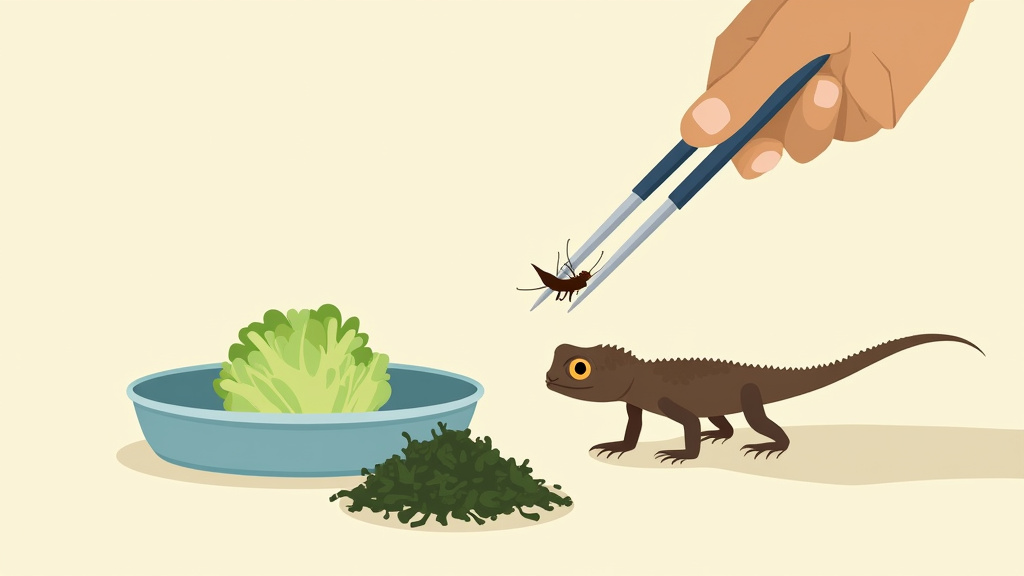
Yes, but even more sparingly. A baby dragon’s diet should be roughly 70% protein (insects) and 30% vegetables. Their tiny digestive systems are also more sensitive.
If you introduce cabbage to a juvenile, do it as a tiny, well-chopped component within a familiar green salad. Offer a single piece the first time and wait 48 hours. No digestive issues? You can make it a rare part of their veggie rotation.
The priority for babies is growth-supporting calcium. Rely on proven, low-risk dark leafy greens and nutritious dandelion leaves instead. Save cabbage experimentation for adulthood.
What Are the Signs You’re Feeding Too Much Cabbage?
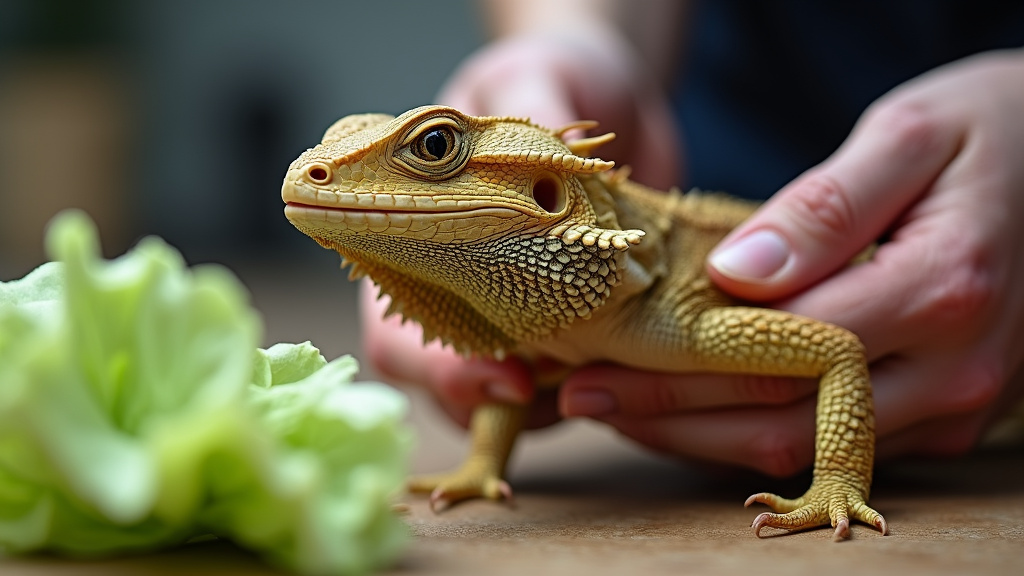
The effects of goitrogens are slow and easy to miss. You have to watch for subtle behavioral shifts.
The earliest sign is often lethargy. Your normally alert dragon starts spending more time in its cool hide, napping during the day. This isn’t just a lazy afternoon; it’s a consistent drop in activity level over a week or two.
Next comes weight gain or swelling in the neck area. You might feel a slight, firm bulge at the base of the jaw when handling them. Their appetite may also decrease paradoxically, as their metabolism slows.
If you see these signs, remove cabbage and all other goitrogenic foods (like broccoli, kale) from the diet immediately. Increase their intake of reliable greens and ensure their UVB lighting is fresh and at the correct distance. Consult a reptile vet if symptoms persist, a blood test can confirm thyroid function.
This is why understanding the potential risks of broccoli and other cruciferous veggies is part of a broader feeding strategy.
Building a Better Salad: What to Feed Instead (and With)
Cabbage should play a bit part in a much larger cast of vegetables. Here’s how to build a dragon salad that minimizes risk and maximizes health.
The Foundation (70% of the salad):
These are your daily, staple greens. They have excellent Ca:P ratios and low oxalates.
* Collard Greens
* Turnip Greens (see our turnip greens feeding guidelines)
* Dandelion Greens (ensure they’re from a pesticide-free source)
* Mustard Greens
* Escarole
* Endive
The Rotational Cast (25% of the salad):
These are safe vegetables to feed a few times a week. This is where cabbage belongs.
* Red or Green Cabbage (sparingly)
* Arugula (see its use as part of a safe salad greens mix)
* Bell Peppers (red, yellow, green)
* Butternut Squash (shredded)
* Broccoli Florets (occasional treat)
* Brussel Sprouts (steamed and chopped, fed rarely)
The Toppings (5% or less):
These are for flavor and enrichment, not nutrition.
* Blueberries, Raspberries (1-2 pieces)
* Grated Carrot
* Edible Flowers (hibiscus, nasturtium)
I use a weekly chart on my fridge. Mondays and Thursdays are for staple greens only. Tuesdays get a pinch of a rotational veggie like bell pepper. Saturdays are my “wild card” day for a tiny amount of something like cabbage or broccoli. It keeps things varied without guesswork.
TL;DR: Build salads on a base of collard or turnip greens. Add one rotational vegetable like cabbage for interest. Skip nutritionally empty fillers like iceberg lettuce.
Frequently Asked Questions
Can bearded dragons eat cooked cabbage?
No. Always feed cabbage raw. Cooking can break down some nutrients and alter the texture in a way that might cause digestive issues. The tough raw fiber is actually part of what makes it a useful occasional food for digestion.
Is cabbage good for bearded dragons with constipation?
In very small amounts, the fiber in cabbage can have a mild laxative effect. However, it’s not the best tool for the job. For constipation, a drop of olive oil on the nose to lick or a warm bath is safer and more effective. Overdoing cabbage will cause bloating.
What about the purple color in red cabbage? Is it safe?
Yes, the anthocyanins that give red cabbage its color are antioxidants and are perfectly safe. They may even offer some health benefits. The color can sometimes tint their droppings slightly, which is harmless.
Can I feed my bearded dragon cabbage cores or stalks?
Do not feed the core or thick stalks. They are extremely fibrous, difficult to digest, and pose a high impaction risk. Only use the actual leafy portions, chopped finely.
How does cabbage compare to lettuce?
Cabbage has vastly more nutritional value than lettuce. However, both should be fed sparingly. Iceberg lettuce, in particular, is mostly water and offers almost no vitamins, it’s a classic example of a nutritionally poor lettuce to avoid as a regular food.
The Bottom Line
Cabbage isn’t a forbidden food, but it demands respect. Treat red cabbage as a weekly guest star in your dragon’s salad bowl, not a permanent cast member. Green and Napa cabbage are understudies for that role, used even less frequently.
The real work happens before the cabbage ever hits the cutting board. It’s in building a diverse, staple-green-based diet where the occasional piece of cabbage is a harmless treat. It’s in knowing that lethargy and a puffy neck are your cues to cut it out completely.
Your dragon might gobble it up eagerly. That doesn’t change the biochemistry. Feed the crunchy purple stuff for enjoyment, not nutrition, and always on a schedule you control.