
Can Bearded Dragons Eat Watermelon? The Safe Feeding Guide
This post contains affiliate links. As an Amazon Associate, we earn from qualifying purchases.
Yes, bearded dragons can eat watermelon, but only as a rare, occasional treat. You must remove every seed and all of the rind, then serve a tiny amount of the red flesh at room temperature. The feeding frequency should not exceed once per month for a healthy adult due to its high sugar content and poor calcium-to-phosphorus ratio.
The universal mistake is treating watermelon like a regular snack. Its sweetness makes dragons go crazy for it, which tempts owners to offer it too often. That’s how you end up with a pet that refuses its greens and develops hidden health issues.
This guide walks through the exact risks, the right preparation steps, and how to spot the warning signs if you’ve already given too much. We’ll also cover what to do with baby dragons and whether other melons are any safer.
Key Takeaways
- Feed watermelon no more than once a month to adult bearded dragons. Baby dragons should avoid it completely.
- The calcium-to-phosphorus ratio in watermelon is inverted (about 1:1.6). Frequent feeding can contribute to Metabolic Bone Disease (MBD).
- Remove all rind and seeds without exception. The rind is indigestible and the seeds are a choking and impaction hazard.
- A proper portion is one or two pea-sized pieces, roughly a teaspoon total. More causes diarrhea and displaces nutrient-dense food.
- Never serve it cold. Room-temperature flesh prevents digestive shock and potential mouth injuries.
Why Watermelon is a Problem, Not a Superfood
Watermelon looks like a hydrating, vitamin-packed snack. For a bearded dragon, it’s mostly empty calories with two major design flaws.
The first is sugar. Watermelon is about 6% sugar by weight. A bearded dragon’s digestive system isn’t built to process high sugar loads efficiently. Consistent sugar intake promotes yeast overgrowth in the gut, leads to diarrhea, and can even contribute to fatty liver disease over time. It’s also terrible for their teeth. Reptiles can get dental disease, and sugar accelerates decay.
The second, more insidious flaw is the mineral ratio. Bearded dragons require a diet where calcium significantly outweighs phosphorus. The ideal range is between 1.5:1 and 2:1 calcium-to-phosphorus.
Watermelon has a calcium-to-phosphorus ratio of approximately 1:1.6. This means phosphorus is higher. In the gut, excess phosphorus binds with calcium, making the calcium unavailable for absorption. Over time, this deficiency leads to Metabolic Bone Disease (MBD).
MBD is a crippling, often fatal condition that softens bones, causes deformities, and leads to paralysis. It’s the number one nutritional disorder in captive bearded dragons. Feeding phosphorus-heavy foods like watermelon regularly is a direct contributor.
TL;DR: Watermelon’s high sugar and inverted calcium ratio make it a nutritional liability, not a benefit. Its only real value is as a rare hydration boost or appetite stimulant.
The Nutritional Breakdown: What’s Actually in It?
Looking at the numbers explains the strict limits. Per 100 grams, red watermelon flesh provides about 30 calories. It’s 92% water. The micronutrient profile is weak for a reptile’s needs.
| Nutrient | Amount per 100g | Why It Matters for Bearded Dragons |
|---|---|---|
| Water | 92g | Provides hydration, but dilutes nutrient density. |
| Sugar | 6g | High for reptile digestion; risks gut imbalance and diarrhea. |
| Calcium | 7mg | Very low. Inadequate for daily needs. |
| Phosphorus | 11mg | Higher than calcium. Binds calcium, promoting MBD risk. |
| Vitamin A | 28µg RAE | Moderate amount, but better sources exist (e.g., squash). |
| Vitamin C | 8.1mg | Not required in diet; they synthesize their own. |
The takeaway is stark. Watermelon offers little they can’t get better, and more safely, from staple greens like collard dandelion or bell peppers. Those foods have positive calcium ratios and fiber.
Common mistake: Assuming the vitamin C is a benefit, bearded dragons synthesize their own vitamin C internally. The sugar and phosphorus are the only relevant metrics, and both are negative.
How to Prepare Watermelon for Your Bearded Dragon
If you’ve decided to offer this monthly treat, precision matters. Sloppy prep creates immediate hazards.
Before you start: Wash the whole melon. Pesticides on the rind can transfer to the flesh during cutting. Use a clean board and knife to avoid cross-contamination with other foods.
Here is the non-negotiable sequence.
- Slice and strip the rind. Cut a wedge from the melon. Run your knife between the red flesh and the white rind, removing every trace of green and white. The white rind contains cucurbitacins, compounds that cause gastrointestinal irritation and are difficult to digest.
- Eradicate the seeds. Check the red flesh meticulously. Pluck out any black or white seed you see. Even the small, soft white seeds are an impaction risk for a dragon’s digestive tract.
- Dice to the right size. Cut the clean red flesh into pieces no larger than the space between your dragon’s eyes. For an adult, aim for pea-sized cubes. Larger pieces are a choking hazard.
- Portion with a teaspoon. For an adult dragon, one level teaspoon of diced pieces is the absolute maximum. That’s usually one or two of your pea-sized cubes.
- Serve at room temperature. Never feed chilled or frozen watermelon. The cold can cause digestive stasis and muscle weakness. Let it sit out for 30 minutes after cutting.
- Place it in the salad bowl. Mix the one or two pieces into their regular greens. This prevents them from associating you with only sweet treats.
- Remove uneaten treat promptly. Take out any leftover watermelon within 30 minutes. It ferments quickly in the warm tank and attracts pests.
Skipping step one or two is how emergency vet visits happen. Impaction from rind or seeds requires enemas, fluids, and sometimes surgery.
How Often Can They Actually Have It?

The calendar is your best tool here. Mark the day you feed watermelon.
For a healthy adult bearded dragon, the safe interval is once every four to six weeks. Some experts push it to once every eight weeks, especially if you also offer other fruits like mango or bananas. Fruit collectively should never exceed 10% of their weekly dietary intake.
Baby and juvenile bearded dragons (under 12 months) should not eat watermelon. Their bodies are in a critical growth phase, demanding massive amounts of protein and calcium. Watermelon’s poor nutrient profile and phosphorus content directly hinder bone development. Fill that space with more feeder insects and calcium-rich greens instead.
What about a dragon with health issues? If your dragon has a history of kidney problems, gout, or MBD, the answer is zero. The sugar and phosphorus load is actively dangerous. Always consult your reptile veterinarian before introducing any new food to a compromised animal.
I used to offer watermelon every other week as a “hydration boost” during summer. My dragon, Calcifer, started turning his nose up at collard greens. It took three weeks of stubborn salad strikes to break that sugar preference. Now the melon comes out only on literal holidays.
What About Other Parts of the Watermelon?
The plant has more than just fruit. The rules here are simpler.
Can bearded dragons eat watermelon rind? No. The green outer skin is tough, fibrous, and impossible for them to digest. The white inner rind contains those irritating cucurbitacins. It will cause gastrointestinal upset and poses a severe impaction risk.
Can bearded dragons eat watermelon seeds? Absolutely not. Both mature black seeds and immature white seeds are hazardous. They can cause choking, intestinal blockage, or damage to the digestive tract lining.
Can bearded dragons eat watermelon leaves or vines? Avoid them. While not thoroughly studied in bearded dragons, watermelon leaves contain higher concentrations of cucurbitacins. These bitter compounds are a natural plant defense and can cause significant gastric irritation. Safer leafy greens are always available.
Stick to the clean red flesh. Everything else is a container for problems.
Signs You’ve Fed Too Much Watermelon
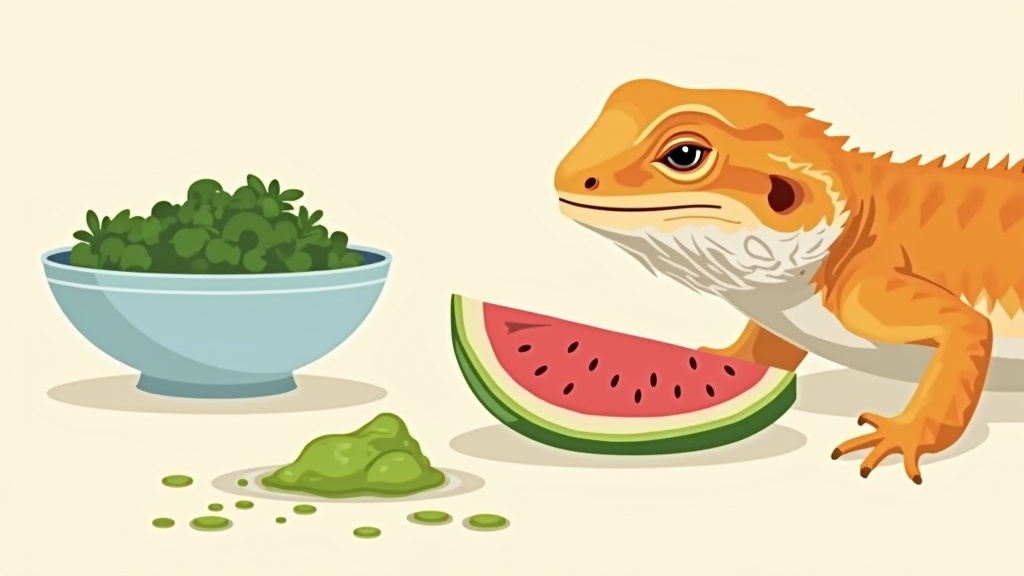
Watch your dragon closely for 48 hours after offering any new treat. The reaction tells you everything.
The most common sign is diarrhea. The high water and sugar content act as a laxative. You’ll see watery, unusually smelly stools. This disrupts their hydration and electrolyte balance.
Next is a loss of appetite for their staple foods. If they ignore their greens or insects at the next feeding, the watermelon has spoiled their taste. You’ll need to withhold all treats and be patient until they eat their proper diet again.
Lethargy or unusual stillness can indicate digestive discomfort or the beginning of a blood sugar crash. In severe, repeated cases of overfeeding, long-term symptoms of calcium deficiency may appear: tremors, soft jaw (rubber jaw), or difficulty walking.
Common mistake: Not connecting diarrhea two days later to the watermelon treat, the sugar disrupts gut flora, and the effects are delayed. If it happens, skip all fruit for at least two months.
If you see any severe signs like paralysis or extreme bloating, contact your reptile veterinarian immediately. It could indicate a serious impaction.
Watermelon vs. Other Melons: Any Better Options?
If watermelon is risky, are cantaloupe or honeydew safer? Marginally, but not by much.
| Melon Type | Sugar Content | Calcium (mg) | Phosphorus (mg) | Ca:P Ratio | Verdict |
|---|---|---|---|---|---|
| Watermelon | 6g | 7 | 11 | 1:1.6 | Riskiest. Highest water, worst ratio. |
| Cantaloupe | 8g | 9 | 15 | 1:1.7 | Slightly more calcium, but higher sugar. |
| Honeydew | 8g | 6 | 11 | 1:1.8 | Similar profile to watermelon. |
The numbers show they’re all in the same problematic category. Cantaloupe might have a tiny nutritional edge, but the sugar is still prohibitive. The same strict rules apply: seedless and rind-free flesh only, once a month at most, teaspoon portions.
Treat all melons as interchangeable from a risk perspective. Offering a variety of safe fruits like the occasional strawberry or blueberry is a better strategy than relying on melons.
The Role of a Reptile Veterinarian
This isn’t just about following online advice. If your dragon has any pre-existing condition, early MBD, kidney issues, obesity, you need a professional opinion before adding any fruit.
A reptile vet can perform a blood test to check calcium and phosphorus levels. They can give you a personalized feeding plan. The cost of a consultation is far less than treating advanced metabolic bone disease.
Think of them as your nutritionist. Bring a list of your dragon’s typical weekly diet, including any treats like apples or grapes. They’ll spot the phosphorus sources you might miss.
Frequently Asked Questions
Can bearded dragons eat watermelon every day?
No. Daily watermelon will cause diarrhea, nutrient deficiencies, and a high risk of Metabolic Bone Disease due to the inverted calcium-to-phosphorus ratio. It is a strictly occasional treat.
How much watermelon can I give my bearded dragon?
For an adult, a serving is one or two small pieces, totaling about one teaspoon of diced red flesh. The piece should be no larger than the space between the dragon’s eyes.
Is seedless watermelon safer?
Yes, seedless varieties simplify preparation by eliminating the seed-removal step. You still must remove all rind. The sugar and phosphorus content is identical, so feeding frequency does not change.
My bearded dragon won’t eat his greens now after having watermelon. What do I do?
This is a sugar preference. Stop all fruit treats immediately. Offer their normal greens at the regular times. They may refuse food for a few days, but they will eat when hungry. Do not give in and offer more fruit.
Can baby bearded dragons eat watermelon?
It is not recommended. Juveniles have extremely high calcium demands for growth. Watermelon provides negligible calcium and its phosphorus actively blocks calcium absorption, stunting development. Focus on insects and calcium-dusted greens.
Before You Go
Watermelon is a permissible treat, not a food. The rules are tight for a reason: high sugar, bad calcium ratio, and choking hazards.
Serve only the clean red flesh, in a teaspoon-sized portion, no more than once a month. Always watch for diarrhea or appetite changes afterward. For babies and sick dragons, the answer is a firm no.
Your dragon’s health is built on a foundation of staple greens and proper insects. Treats like watermelon, peaches, or cherries are the decoration on top, used sparingly, if at all. When in doubt, skip the fruit and offer a hornworm instead. They’ll get the hydration without the risk.