
Can Bearded Dragons Eat Bananas? Safe Feeding Tips & Risks
This post contains affiliate links. As an Amazon Associate, we earn from qualifying purchases.
Bearded dragons can eat bananas, but only as an occasional treat in tiny amounts, think a few small cubes once or twice a month at most. The primary risks are a severe calcium-phosphorus imbalance that leads to Metabolic Bone Disease (MBD) and high sugar content that causes obesity and dental decay.
Most owners get this wrong by treating “safe” as “staple.” They see their dragon gobble up the sweet, soft fruit and mistake that enthusiasm for a green light to feed it weekly. That single mistake can set off a chain of health problems that take months to correct.
This guide breaks down the exact science behind the risk, gives you a foolproof portion and preparation method, and lists the specific symptoms that mean you’ve already overdone it. We’ll also cover better fruit alternatives that won’t sabotage your pet’s skeletal health.
Key Takeaways
- Feed banana once or twice a month maximum. A portion is 2-3 tiny cubes, not a whole slice.
- The calcium-phosphorus ratio in bananas is inverted (1:3), binding dietary calcium and directly causing Metabolic Bone Disease if fed regularly.
- Always dust banana with calcium powder before serving to mitigate the phosphorus load.
- Never feed dried bananas or banana chips, the sugar is concentrated and the dehydration process adds sulfites.
- If your dragon refuses greens after getting banana, stop all fruit for two weeks to reset its palate.
The Calcium-Phosphorus Problem: Why “Safe” Doesn’t Mean “Healthy”
Bananas are not toxic. The VCA Animal Hospitals, a leading veterinary authority, lists them as safe for occasional consumption. The real danger is nutritional imbalance, not poison.
The critical issue with bananas is their inverse calcium-to-phosphorus ratio. For every 1 mg of calcium, a banana contains about 3 mg of phosphorus. In a bearded dragon’s gut, excess phosphorus binds with available calcium, forming an insoluble compound that passes unused.
This binding creates a calcium deficit. Their body then pulls calcium from skeletal reserves to maintain critical blood calcium levels for nerve and muscle function. That process, over weeks, softens bones. You get bowed limbs, a rubbery jaw, and tremors, the hallmark symptoms of Metabolic Bone Disease (MBD).
TL;DR: Bananas actively block calcium absorption. Feeding them often is a direct, slow-motion path to crippling bone disease.
How Much Banana Is Safe? The Exact Portion Guide
The safe feeding frequency is non-negotiable. For an adult bearded dragon, a few small pieces of banana once a month is the ceiling. Some keepers push it to twice a month, but that’s the absolute limit before phosphorus accumulation becomes a measurable risk.
Here’s what a monthly portion looks like:
| Dragon Size | Banana Portion | Visual Cue | Risk If Larger |
|---|---|---|---|
| Adult (18+ inches) | 5-10 grams | 2-3 cubes, each smaller than a pea | Phosphorus binds calcium within 48 hrs, starting MBD process |
| Juvenile (8-17 inches) | Avoid or 1-2 grams | A smear the size of a pencil eraser | Stunts growth; juvenile bones mineralize poorly |
| Baby (Under 8 inches) | None | Not applicable | Guaranteed calcium deficiency; irreversible deformities likely |
Juveniles and babies are building bone mass at a furious rate. Their dietary calcium demand is highest. Introducing a phosphorus-heavy food like banana during this stage is catastrophic. Stick to calcium-rich staple greens and properly gut-loaded insects.
I learned this with my first juvenile, Spike. I gave him a half-inch slice of banana weekly, thinking the potassium was good. Within six weeks, his front legs started to bow slightly during basking. The vet confirmed early-stage MBD. We stopped all fruit, quadrupled his calcium dusting, and adjusted his UVB. It took four months for his gait to straighten. That slice wasn’t a treat; it was a slow poison.
TL;DR: An adult gets a pea-sized amount monthly. Juveniles should avoid it. Babies get none.
Step-by-Step: Preparing and Serving Banana Safely
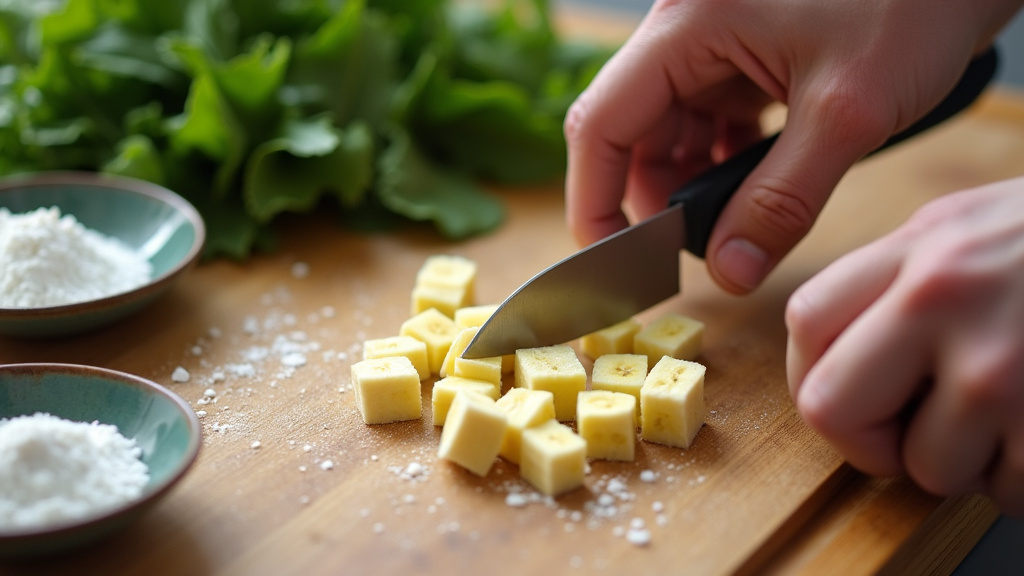
The goal is to minimize sugar contact with teeth and integrate the treat so it doesn’t become a food obsession.
The Right Way to Slice and Dice
Wash the banana first. Even if you’re peeling it, contaminants on the skin can transfer to the flesh during cutting. Use a clean knife and board.
Cut a slice no thicker than 3 millimeters, about the width of two credit cards. Then, dice that slice into cubes smaller than the space between your dragon’s eyes. This size prevents choking and allows the pieces to be scattered in a salad.
Common mistake: Feeding a whole, mushy slice, the soft texture adheres to teeth, promoting rapid plaque buildup and bacterial growth that leads to periodontal disease within a few feedings.
To Peel or Not to Peel?
The peel contains fiber, additional vitamins like B6, and compounds that can help deter plaque. It also holds most of the pesticides.
| Option | Best For | Preparation Requirement | Key Risk |
|---|---|---|---|
| Flesh Only | All keepers, especially beginners | Simple peel and dice | Higher sugar concentration per gram |
| Organic Peel | Experienced keepers wanting fiber | Scrub thoroughly, dice finer than flesh | Intestinal blockage if pieces are too large |
| Conventional Peel | Never | Not applicable | Pesticide ingestion (organophosphates) |
If you use an organic peel, dice it twice as fine as the flesh. Steam it for 45 seconds to soften the fibrous cellulose, making it easier to digest.
The Mandatory Calcium Dusting
This step is not optional. Before adding the banana pieces to the salad, place them in a small dish. Lightly dust them with a calcium carbonate powder without vitamin D3. The calcium will partially bind to the banana’s phosphorus before your dragon even eats it, reducing the net phosphorus load.
Mix the dusted banana thoroughly into a large base of staple greens, collard, mustard, or dandelion greens. The banana should be a hidden surprise, not the main event. This maintains the dragon’s primary association with greens as food.
TL;DR: Dice tiny, dust with calcium, and hide it in a big pile of greens. Never serve it alone.
The Top 3 Health Risks of Overfeeding Bananas
Understanding the consequences makes the monthly rule easier to follow.
- Metabolic Bone Disease (MBD): This is the big one. Symptoms start subtly: decreased appetite, lethargy, and a slight wobble when walking. Within 4-8 weeks of regular overfeeding, you’ll see more visible signs, swollen jaw, bowed legs, and tremors when lifting the body. By the time the back legs are too weak to support weight, the condition is severe and recovery takes months of intensive care.
- Obesity and Fatty Liver Disease: Bananas are about 16% sugar. A dragon’s desert-adapted metabolism isn’t built for high sugar loads. The liver converts excess sugar to fat. You’ll see fat pads bulging behind the arms and over the base of the tail. Obesity leads to cardiac strain and renal failure. It’s a quiet, years-shorter lifespan.
- Selective Feeding (Food Strike): Dragons have a sweet tooth. Once they associate you with sweet banana, they’ll hold out for it. I’ve seen dragons refuse all greens for 10 days after getting banana twice in two weeks. You win that standoff by not starting it. Offer only their staple diet until they eat. They will not starve themselves.
Before you start: Wash your hands before and after handling banana. The sugar residue attracts flies and can cause skin infections if transferred to your dragon’s scales. Also, ensure your UVB lamp is less than 6 months old and properly positioned; calcium can’t be metabolized without it, making any treat riskier.
What to Do If You’ve Already Overfed Banana
Stop. If you’ve been giving banana weekly or in large slices, cease all fruit immediately.
First, assess your dragon. Is it still active and eating greens? Are its limbs straight? If you see any stiffness or swelling, a vet visit is urgent. Blood work can check calcium levels.
At home, your recovery protocol is straightforward:
* Days 1-7: Offer only staple greens dusted heavily with calcium powder (with D3 if UVB is weak) at every feeding. Ensure insects are gut-loaded with high-calcium chow.
* Days 8-30: Maintain the calcium-rich diet. Provide a shallow, warm bath for 15 minutes daily to encourage hydration and help the kidneys flush excess phosphorus.
* Long-term: Ban bananas for at least three months. After that, reintroduce only under the strict monthly portion rule.
The goal is to flood the system with bioavailable calcium to outcompete the phosphorus binding. Improvement in early-stage MBD symptoms can be seen in 3-4 weeks with aggressive correction.
Better Fruit Alternatives: Swap the Banana
If you want to give fruit more often than once a month, choose options with better calcium ratios. These fruits can be offered every other week, in similar tiny portions, because they cause less dietary interference.
| Fruit | Ca:P Ratio | Safe Frequency | Best Served With |
|---|---|---|---|
| Figs (fresh) | 1.6:1 | Bi-weekly | Chopped over dandelion greens |
| Papaya | 1:2 | Monthly | Small cubes mixed with bell pepper |
| Raspberries | 1:1.2 | Bi-weekly | Mashed into a paste on a leaf |
| Cantaloupe | 1:1.5 | Monthly | Tiny balls as a hydration boost |
| Peaches | 1:2 | Monthly | Peeled, pitted, and finely diced |
Figs are the nutritional winner. They have a positive calcium ratio and are high in fiber. Raspberries offer antioxidants with minimal phosphorus penalty. When considering safe fruits for bearded dragons, prioritize these over banana.
For variety, you can occasionally offer peaches for bearded dragons or kiwi fruit for bearded dragons, but always mind their sugar content. Similarly, strawberries for bearded dragons are a better occasional choice, though their oxalates require careful dusting.
TL;DR: Ditch the monthly banana for bi-weekly raspberries or figs. Your dragon gets a treat, and you get peace of mind.
Frequently Asked Questions
Can bearded dragons eat banana peels?
Yes, but only if the banana is organic and the peel is scrubbed, steamed to soften, and diced extremely finely. The peel contains beneficial fiber but also harbors most of the pesticides on conventional fruit. For most owners, the risk and hassle outweigh the benefit.
My bearded dragon loves bananas and now won’t eat greens. What do I do?
You’re in a food strike. Immediately stop all fruit, including banana. Offer only its staple greens and properly dusted insects. Be persistent. A healthy adult dragon can go 10-14 days without eating before there’s real concern. It will eat the greens when it’s hungry enough. Do not relent.
Are dried bananas or banana chips safe?
No. Never. The drying process concentrates the sugar to over 50% by weight. Most commercial banana chips are also fried in oil or coated with sweeteners and preservatives like sulfur dioxide, which is toxic to reptiles. Stick to fresh, raw fruit in minute quantities.
Can baby bearded dragons eat banana?
Absolutely not. Babies require immense amounts of calcium for skeletal development. The phosphorus in banana would severely inhibit calcium absorption, leading to stunted growth and irreversible metabolic bone disease before they even reach juvenile size. Their diet should be insects and greens only.
The Bottom Line
Bananas are a problematic treat. The math doesn’t lie, that inverted calcium-phosphorus ratio works against your dragon’s health every time you feed it. A tiny amount once a month, prepared correctly and dusted thoroughly, is the absolute limit.
The smarter move is to skip banana altogether. Swap it for a safer, more frequent treat like raspberries or figs. Your dragon will enjoy the variety, and you’ll avoid the silent, creeping risk of MBD. The goal is a long, active life for your pet, not a moment of sweetness that costs it its strength.