
Bearded Dragon Owner Hygiene: The 5 Non-Negotiable Rules
This post contains affiliate links. As an Amazon Associate, we earn from qualifying purchases.
Bearded dragon owner hygiene is defined by five non-negotiable rules. These are: washing hands before and after handling, cleaning the habitat weekly, spot-cleaning waste immediately, using separate tools for the tank, and never allowing the dragon in kitchen or bathroom sinks. This protocol prevents Salmonella transmission.
Bearded dragon owner hygiene is a non-negotiable set of daily practices centered on rigorous handwashing, habitat cleaning, and barrier protection to prevent the transmission of zoonotic pathogens like Salmonella from your pet to you. The goal is to break the fecal-oral transmission route through consistent, methodical habits that become as automatic as feeding.
Most new owners fixate on cage decor and feeding schedules. They miss the invisible risk living in the dragon’s digestive tract. A healthy-looking beardie can shed millions of Salmonella bacteria in a single gram of feces without showing a single symptom. Your hands are the primary vector.
This guide covers the personal protocols you must follow every time you touch your pet or its world, the detailed habitat cleaning schedule that keeps pathogens in check, and the critical mistakes that put vulnerable people, kids, the elderly, the immunocompromised, in real danger.
Key Takeaways
- Hand sanitizer does not kill Salmonella or remove Cryptosporidium cysts. Soap, warm water, and 20 seconds of scrubbing is the only acceptable post-handling cleanup.
- Establish a “reptile-only” cleaning zone, a dedicated tub or utility sink, and never wash tank items in kitchen or bathroom sinks used by people.
- Spot clean feces and old food daily. Letting waste sit for more than 24 hours allows ammonia fumes to irritate your dragon’s lungs and lets bacterial loads multiply.
- Wear disposable nitrile gloves if you have any open cuts or sores on your hands. Salmonella and other bacteria can enter the bloodstream directly through broken skin.
- Never trust a breeder’s claim of “Salmonella-free” dragons. Reputable sources like the Association of Reptilian and Amphibian Veterinarians state the bacteria is a normal gut flora in reptiles; the risk cannot be eliminated, only managed.
The Invisible Risk: Why Hygiene Isn’t Optional
Salmonella is a commensal bacterium in many reptiles, not a sign of illness. Your bearded dragon’s intestinal tract is its natural home. The dragon sheds the bacteria intermittently in its feces. Even a dragon that appears vigorous, eats well, and has perfect scale color can be shedding pathogens.
The transmission route is almost always fecal-oral. You handle your dragon, it climbs on surfaces, you clean its tank, your hands pick up microscopic particles. If you then touch your mouth, nose, or eyes, or handle food without washing, you ingest the bacteria. For a healthy adult, this might cause a bad 48 hours of gastrointestinal distress. For a young child, an elderly person, or someone with a compromised immune system, it can lead to severe dehydration, hospitalization, and in rare cases, death.
Other pathogens like Cryptosporidium (a protozoan parasite) and various bacteria that cause conditions like mouth rot follow the same transmission path. This is the core mechanic of zoonotic disease risk.
Bearded dragons can carry and shed Salmonella asymptomatically. A 2017 study in the Journal of Veterinary Diagnostic Investigation found Salmonella in approximately 7% of fecal samples from clinically healthy pet bearded dragons submitted to a diagnostic lab. The bacteria survive on dry surfaces like decor and glass for several weeks.
Your first line of defense is accepting that the risk is always present. Your second is building habits that interrupt the transmission chain every single day. This philosophy is echoed in broader reptile hygiene best practices from veterinary institutions.
TL;DR: Assume your bearded dragon is always shedding Salmonella. Your hygiene routine exists to stop those bacteria from ever reaching your mouth or your dragon’s food and water.
The 5-Point Personal Hygiene Protocol
This is the ritual you perform after every interaction with your dragon or its enclosure. Skip one step, and you’ve left a door open.
- Wash Your Hands. With Soap. Use warm water and antibacterial hand soap. Scrub for a full 20 seconds, about the time it takes to hum “Happy Birthday” twice. Rinse thoroughly. Dry with a clean towel or paper towel. Hand sanitizer is insufficient because it doesn’t physically remove organic matter or kill all parasite cysts.
- No Face Touching. Do not touch your face, mouth, or eyes while handling your dragon or before you’ve washed your hands. This is the most common subconscious mistake.
- No Kissing, No Snuggling. Do not kiss your bearded dragon or bring it close to your face. It’s not a dog or cat. Affection is shown through gentle handling and observation, not physical contact that risks pathogen transfer.
- Protect Your Skin. Any open wound, cut, or scrape on your hands must be covered with a waterproof bandage before handling. Better yet, wear disposable nitrile gloves. Bacteria can enter directly through broken skin.
- Establish a “No-Eat Zone.” Do not eat, drink, or prepare food in the same room as your dragon’s enclosure, and never while handling them. Keep the habitat out of the kitchen and dining room if possible.
Common mistake: Relying on hand sanitizer after handling, alcohol-based gels don’t physically wash away Salmonella bacteria or Cryptosporidium oocysts. Soap molecules break apart the fatty membrane of bacteria and lift debris from skin. Sanitizer leaves a false sense of security and the risk intact.
The logic is barrier and removal. You place a physical barrier (clothing, gloves) between pathogens and your skin. You then mechanically remove any that breach the barrier with soap and water. This protocol is the foundation of all essential hygiene practices for reptile keepers.
Your Dragon’s Habitat: The Cleaning Schedule That Matters
A clean tank is a healthy tank. But “clean” has two definitions here: visibly free of waste, and microbiologically sanitized. You need a schedule for both.
| Task | Frequency | Key Action | Risk If Skipped |
|---|---|---|---|
| Spot Cleaning | Daily | Remove feces, urates, uneaten food. | Ammonia buildup irritates lungs; bacteria multiply, increasing zoonotic risk and creating odor. |
| Food/Water Bowls | Daily | Wash with soap, rinse, dry. | Biofilm forms in 24 hrs, harboring Salmonella and other bacteria that re-infect your dragon. |
| Surface Wipe-Down | Weekly | Wipe interior glass, basking rock with damp cloth. | Grease, saliva, and dust accumulate, reducing heating/lighting efficiency and housing germs. |
| Full Disinfection | Weekly | Remove everything, disinfect with reptile-safe cleaner, rinse, dry. | Pathogens establish reservoirs on decor and walls, leading to persistent parasitic infections. |
| Substrate Replacement | As needed (Monthly for loose) | Completely replace loose substrate like sand. | Feces and moisture saturate the material, creating an anaerobic breeding ground for pathogens and fungi. |
| Fixture Check | Monthly | Inspect and clean under heat lamp fixtures, UV-B hoods. | Dust and debris on bulbs/fixtures can cause overheating or block UV radiation. |
The daily spot clean is non-negotiable. Use a dedicated plastic bag or paper towels to pick up waste. I keep a roll of paper towels and a small trash can right next to my tanks. The moment I see poop, it’s gone. Letting it sit is the fastest way to create a smelly, hazardous environment. For more on the consequences, see our guide on poop odor management.
The weekly deep clean is your reset button. This is where you kill pathogens, not just remove them.
Your Weekly Deep Clean: A Step-by-Step Breakdown
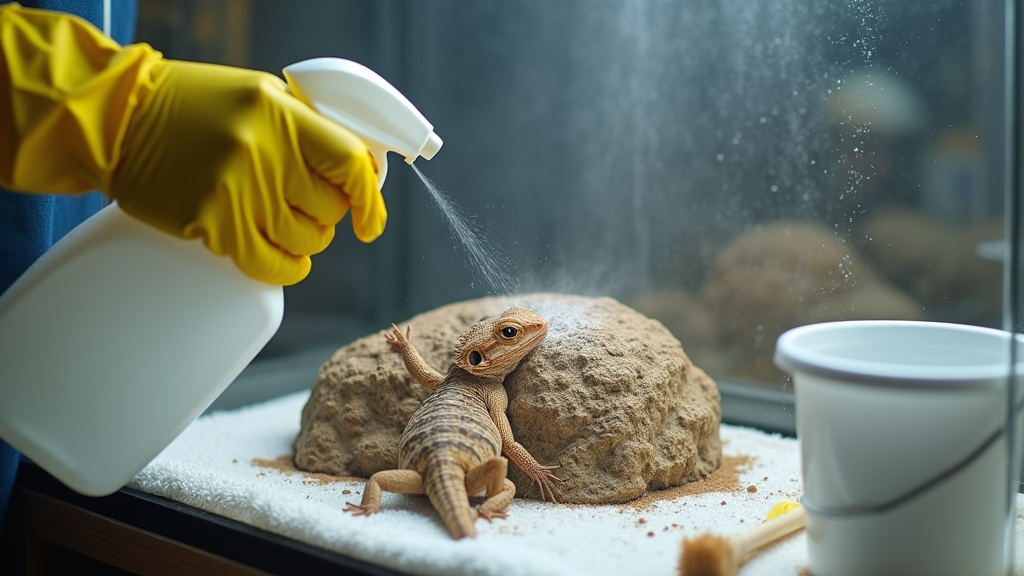
This process takes about 30 minutes once you’re practiced. Never use cleaners near your dragon.
Before you start: Your dragon must be in a separate, secure temporary enclosure, a plastic tub with air holes and a towel works. Ensure the room is warm. Have all cleaning supplies ready: reptile-safe disinfectant (like F10SC or Chlorhexidine), a dedicated scrub brush, paper towels, a spray bottle, and a bucket.
- Remove the Dragon. Place them gently in their temporary tub. Cover it partially with a towel to reduce stress.
- Remove All Decor and Bowls. Take out basking rocks, hides, branches, food bowls, and water dishes.
- Pre-clean. In your designated reptile cleaning tub or utility sink, scrub all items with hot water to remove visible dirt and organic matter. Organic debris inactivates most disinfectants.
- Disinfect. Prepare your disinfectant exactly as the label directs. For a 3% bleach solution, mix 1 part bleach with 9 parts water. Soak or thoroughly spray all items and the empty tank interior. Let it sit for the recommended contact time (usually 5-10 minutes).
- Rinse, Rinse, Rinse. This is critical. Residue from disinfectants or bleach is toxic. Rinse every item and the tank interior with copious amounts of clean water.
- Dry Completely. Air dry everything on a clean towel or rack. Moisture left behind breeds bacteria and mold. Do not reassemble a damp tank.
- Reassemble and Return. Once everything is bone-dry, put the tank back together. Use a paper towel to wipe any final dust from the glass. Then return your relieved dragon to its clean home.
I learned the “dry completely” lesson the hard way with a wooden hide. I didn’t let it dry for a full 48 hours in the sun after a bleach soak. I put it back damp. Three days later, my dragon developed a small patch of what looked like discolored scales. The vet identified it as the early stages of a superficial fungal issue, likely from the damp wood. Now, everything gets a full 24-48 hours of drying time before it goes back in.
This meticulous process is your strongest weapon against not just Salmonella, but also environmental triggers for fungal infections and other serious skin infections.
TL;DR: Clean first, then disinfect. Rinse until you’re sure, then dry until you’re certain. Moisture is the enemy after the disinfectant has done its job.
The Toolbox: Substrates, Cleaners, and Gear
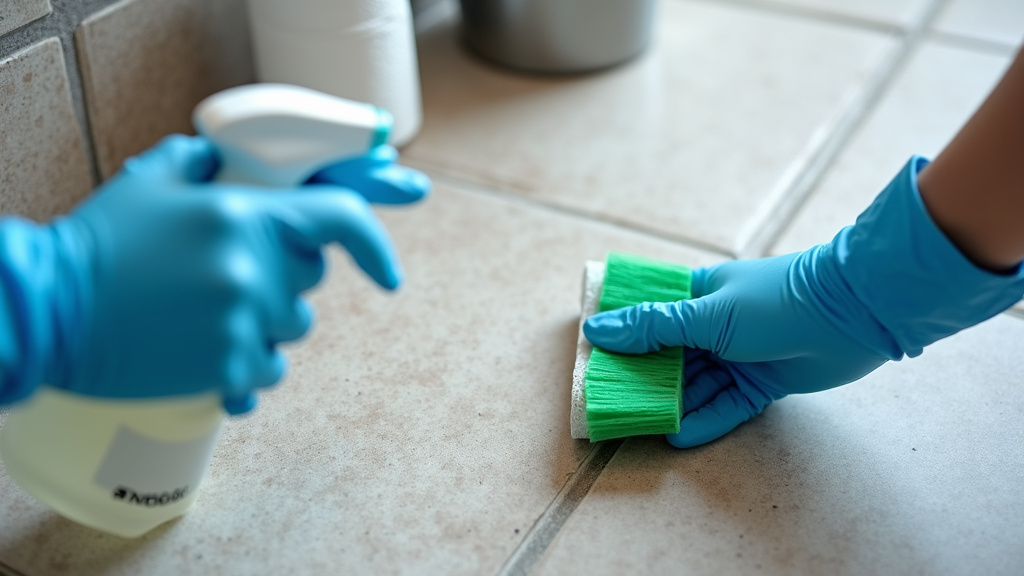
Your choices here make hygiene easy or a constant battle.
Substrate: Go non-porous. Ceramic tile, slate, or textured vinyl shelf liner wins every time. You wipe it clean, disinfect it, and it’s done. Porous substrates like sand, soil, or carpet are hygiene nightmares. Feces and liquid soak in, creating a permanent reservoir of bacteria you can’t fully sanitize. Reptile carpet is particularly bad, it looks clean after washing, but bacteria embed in the fibers. If you must use loose substrate for a bioactive setup, your hygiene routine needs to be flawless, with more frequent full replacements.
Cleaners: Use a disinfectant made for reptiles. F10SC Veterinary Disinfectant is a common professional-grade choice. Chlorhexidine is another safe option. If you use household bleach, it must be plain, unscented, 3% sodium hypochlorite. Never use cleaners with phenols, pine oil, or ammonia. These fumes are toxic to reptiles and can cause respiratory distress or neurological damage. The residue is also harmful if ingested.
Personal Gear:
- Nitrile Gloves: A box of disposable gloves is cheap insurance for cleaning days or if you have a cut.
- Dedicated Scrub Brush & Sponge: These live in your reptile cleaning bucket and never touch human dishes.
- Paper Towels: For spot cleaning and wiping. More hygienic than reusable rags that need laundering.
- Separate Trash Can: A small can with a lid for daily waste, emptied frequently.
This dedicated toolkit prevents cross-contamination. It’s the difference between managing a contained system and letting reptile-related bacteria spread to your kitchen sponge.
Special Situations and High-Risk Scenarios
The standard rules tighten when circumstances change.
When Your Dragon is Sick: If your dragon is being treated for parasites, coccidiosis infection, or a bacterial issue, hygiene becomes a quarantine protocol. Wear gloves for all interactions. Clean that enclosure every other day, not weekly. Dispose of all waste in a sealed bag. The pathogen load is higher, and your vet’s medications are fighting an active battle, don’t let the environment re-infect your pet.
Households with Vulnerable People: If you have children under 5, elderly family members, or anyone immunocompromised (e.g., chemotherapy patients), the dragon’s enclosure should be in a room they do not enter. Young children should not handle the dragon at all, they inevitably put their hands in their mouths. All handling and cleaning must be done by a healthy adult following the strictest protocols.
Transport to the Vet: Use a secure, well-ventilated carrier. Line it with paper towels. Bring hand sanitizer for the car (for after you’ve closed the carrier, not as primary cleaning). At the vet, avoid setting the carrier on public seating or floors. Wash your hands as soon as you return home, and disinfect the carrier before storing it. This prevents bringing external pathogens into your home or exposing the public to anything your dragon may shed.
Shedding Season: During a shed, skin flakes (which can carry bacteria) will be everywhere. Increase your surface wipe-downs. Some owners report mild allergic reactions to dried skin particles. A gentle bathing your bearded dragon can help loosen shed and contain the flakes to the bathwater, which is then disposed of.
What Not to Do: The Hygiene Myths Debunked
- Myth: “My dragon is captive-bred, so it’s Salmonella-free.” False. Salmonella is normal gut flora. No breeder, no matter how reputable, can guarantee a sterile intestinal tract. The Association of Reptilian and Amphibian Veterinarians (ARAV) states all reptiles should be considered potential carriers.
- Myth: “I’ll just use hand sanitizer, it’s easier.” Hand sanitizer doesn’t work on Cryptosporidium and is less effective on Salmonella in the presence of organic matter (like dirt or dragon saliva). Soap and water is the only reliable method.
- Myth: “I clean the tank once a month, that’s enough.” Weekly disinfection is the veterinary standard for breaking the life cycle of common parasites and preventing bacterial biofilm formation. Monthly cleaning allows pathogens to establish themselves.
- Myth: “I don’t need to wash the water bowl every day if the water looks clean.” Biofilm, a slimy layer of bacteria, forms on submerged surfaces within 24 hours. It’s invisible. Rinsing isn’t enough; you need to scrub with soap.
- Myth: “I can clean this in my kitchen sink, I’ll disinfect it after.” This is how cross-contamination happens. You cannot fully sanitize a porous kitchen sink. A single missed spot can transfer bacteria to dishes. Use a dedicated tub.
Adhering to these protocols does more than protect you. It creates a lower-stress, healthier environment for your bearded dragon, reducing its susceptibility to illness. A clean tank supports a robust immune system.
Frequently Asked Questions
Can I get Salmonella from just touching my bearded dragon?
Yes, if the dragon has shed bacteria onto its skin or the surfaces it’s on, and you then touch your face or mouth before washing your hands. Transmission requires ingestion, not just skin contact. Your unwashed hands are the vehicle.
How often should I bathe my bearded dragon for hygiene?
bath once a week or every other week is sufficient for general hygienic soaks. It helps with hydration and can loosen shed skin. However, bathing does not “clean” them of Salmonella, which is internal. The main hygiene benefit is containing shed skin and encouraging them to defecate in the water, which you then dispose of safely.
What’s the safest way to clean up bearded dragon poop?
Wear gloves if possible. Immediately pick up the feces and urate with several layers of paper towel or a dedicated plastic bag. Spray the contaminated area with a reptile-safe disinfectant, let it sit for a minute, then wipe clean with fresh paper towels. Dispose of all waste in a sealed bag. Never vacuum or sweep dry feces, as this aerosolizes particles. For a full guide, see cleaning bearded dragon poop.
Are some people more at risk than others?
Absolutely. Children under 5, adults over 65, pregnant women, and individuals with weakened immune systems (from HIV/AIDS, cancer treatment, organ transplants, etc.) are at much higher risk for severe Salmonella infection. In these households, extreme caution is required, and some veterinarians recommend against owning reptiles.
Can other pets get sick from my bearded dragon?
It’s possible, though less common. Dogs or cats could theoretically ingest Salmonella from licking contaminated surfaces or feces. More likely is that your other pets could stress your dragon or be injured by it. Always supervise interactions and maintain strict hygiene for all species involved.
The Bottom Line
Bearded dragon owner hygiene isn’t about fear. It’s about respect for a simple biological reality. Your pet carries microbes that are normal for it but dangerous for you. The solution is a set of mechanical, consistent habits that become second nature: wash your hands, clean the tank, protect your skin.
This routine does more than block disease. It creates a stable, low-pathogen environment that lets your dragon thrive. A clean habitat means a stronger immune system, fewer vet visits for preventable issues like parasites or mite infestations, and a pet that lives a longer, healthier life.
Start the habits today. Get the soap, the dedicated tub, the disinfectant. Your dragon’s health, and yours, depends on the protocol.