
Key Reasons for Bathing Your Bearded Dragon | Health Guide
This post contains affiliate links. As an Amazon Associate, we earn from qualifying purchases.
Bathing your bearded dragon is a non-negotiable part of captive husbandry that directly supports hydration, shedding, digestion, and hygiene. The process requires matching three parameters: lukewarm water temperature (86-91°F), shallow depth (elbow-height), and a strict post-bath warm-up under a basking lamp.
Most owners get the sequence wrong. They focus on the bath itself but skip the critical drying and rewarming step that comes after. A wet, chilled dragon is a sick dragon.
This guide walks through the five health reasons baths matter, the exact setup that prevents drowning or chilling, and the common mistakes that lead to respiratory infections or stress.
Key Takeaways
- A proper soak provides hydration many dragons won’t get from a bowl, aids in removing stubborn shed skin, and stimulates bowel movements to prevent impaction.
- Water must be lukewarm (86-91°F) and shallow, never deeper than the dragon’s chest. This prevents drowning risk and dangerous temperature drops.
- The single most important step happens after the bath: immediate, thorough drying followed by placement under a 105-110°F basking light to prevent respiratory infection.
- Bath 2-3 times per week for adults. Increase to daily during active shedding if your dragon tolerates it and you follow the dry-and-warm protocol.
- Never use soap, never leave the dragon unattended, and never bathe a dragon showing signs of respiratory illness (wheezing, mucus).
The 5 Core Benefits of a Proper Soak
Bathing isn’t just about getting your dragon wet. It addresses physiological needs that mirror behaviors in their arid Australian habitat, where they would seek out rare, temporary water sources.
The first and most immediate benefit is hydration. Bearded dragons are notoriously poor drinkers from standing water bowls. In a bath, the combination of warmth and the water’s surface often triggers a drinking response. They will lower their heads and sip, sometimes taking in more water in ten minutes than they would in days from a bowl. This is the frontline defense against sunken eyes or wrinkled skin.
Second, bathing is your primary tool for shedding assistance. The warm water hydrates and softens the old skin, making it easier for the new layer underneath to expand and push the old one off. This is especially critical for areas like toes, tail tips, and around the spikes where retained skin can constrict blood flow and cause necrosis. A soft-bristled baby toothbrush used gently in the water can help loosen stubborn patches.
Third, a warm soak acts as a digestive stimulant. The warmth relaxes the abdominal muscles and encourages gut motility. For a dragon that hasn’t defecated in several days, a 15-minute bath is often the gentle nudge it needs. This is a core part of managing and preventing impaction causes, a common and serious gastrointestinal blockage.
Fourth, it supports general hygiene. Baths wash away loose substrate, food particles, and fecal matter stuck to their vent or scales. This reduces bacterial load on the skin and minimizes odor in the enclosure, complementing your regular tank cleaning guide.
A bearded dragon’s cloaca, the multi-purpose opening for excretion and reproduction, can passively absorb a small amount of water during a soak. This cloacal absorption, combined with active drinking, makes a bath a more effective hydration event than a water bowl alone.
Fifth, and often overlooked, is the behavioral conditioning. Dragons that are bathed regularly with calm handling learn to associate the container with a positive, relaxing experience. A dragon that sits calmly, drinks, and maybe even defecates is showing you it’s comfortable. This trust makes every future handling session easier.
TL;DR: Baths hydrate, help shedding, stimulate pooping, clean the dragon, and build trust. It’s a multi-purpose health intervention.
Setting Up the Perfect Bath: Temperature, Depth, and Tools
Get the setup wrong, and the benefits vanish. The risks, drowning, aspiration, thermal shock, are real and immediate.
The water temperature is non-negotiable. Lukewarm, between 86-91°F (30-33°C), is the only safe range. Test it with a digital kitchen thermometer or a dedicated aquarium thermometer. The “wrist test” is unreliable for reptile sensitivity. Water that feels pleasantly warm to you is often too hot for them. Too cold, and their metabolism plummets; too hot, and you risk thermal burns.
Depth is your next guardrail. The water should never be deeper than your dragon’s elbows when standing, or roughly chest-high. This allows them to sit comfortably with their head safely above water without having to swim or struggle. Even dragons that exhibit swimming behavior should only do so under direct supervision in controlled, shallow water.
Choose a container that’s easy to clean and provides footing. A clean plastic storage tub or a bathroom sink works well. Avoid bathtubs, they’re too large, slippery, and often contain soap residue. Have your tools ready before you get the dragon: the thermometer, a soft towel, and a baby toothbrush if they’re in shed.
Common mistake: Filling the bath too deep, a panicked dragon inhales water, leading to aspiration pneumonia within 24-48 hours. You’ll hear clicking breaths and see mucus bubbles at the nostrils.
Here’s a quick reference for bath parameters:
| Parameter | Target | Consequence of Deviation |
|---|---|---|
| Temperature | 86–91°F (30–33°C) | Too cold: lethargy, digestion halts. Too hot: thermal burns. |
| Depth | Elbow/Chest Height | Deeper: drowning/aspiration risk. Shallower: ineffective soak. |
| Duration | 10–15 min (up to 20 min if enjoyed) | Too short: no benefit. Too long: core temperature drops. |
| Supervision | Constant | Unattended: drowning risk in under 2 minutes. |
The container itself matters. A white or light-colored tub lets you see the water clearly and spot any defecation immediately. Dark tubs hide waste and make it harder to monitor your dragon’s underside.
The Step-by-Step Bathing Protocol
Follow this sequence every time. Skipping a step or changing the order introduces risk.
Step 1: Prepare the water first. Fill your chosen container in the bathing location. Check the temperature with your thermometer. Adjust with small amounts of cooler or warmer water until it’s steady in the 86-91°F range. This takes the guesswork out and prevents you from holding a squirmy dragon while fiddling with the tap.
Step 2: Gently place your dragon. Support their body fully and lower them in feet-first. Never drop them in or startle them. A calm entry sets the tone. If they scramble or panic, the water might be too deep or the wrong temperature. Check your parameters.
Step 3: Supervise and assist. Stay within arm’s reach. Talk to them calmly. Watch for the head-dipping motion that means they’re drinking. If they’re shedding, you can use the soft toothbrush to make gentle, circular strokes on areas of stuck shed, like the tail or limbs. Let the water do the work, don’t pull or pick at the skin.
Step 4: End the session. At the 10-15 minute mark, or sooner if they show signs of stress (black beard, frantic climbing, trying to escape), it’s time to get out. Gently lift them, supporting their belly and hindquarters.
I once bathed a dragon in water I thought was fine by feel. He drank eagerly but started gaping and trying to climb out after five minutes. I checked the temp, it had crept to 95°F from the hot tap’s inconsistent flow. He was overheating. I cooled him down immediately, but it was a lesson learned. Now I use a thermometer with an alarm.
Step 5: Dry them completely. This is not a casual pat-down. Use a clean, absorbent towel and dry every scale, paying close attention to the skin folds along the jaw, under the legs, and between the toes. Any leftover moisture here becomes a magnet for substrate and a site for bacterial growth. A damp dragon is a cold dragon.
Step 6: Immediate rewarming. This is the step that separates a beneficial bath from a harmful one. Place the fully dry dragon directly under its basking lamp, which should be at the correct temperature (105-110°F for adults). They need to restore their core temperature, which drops during the bath. Let them bask for at least 30-45 minutes, or until they are fully alert and warm to the touch.
TL;DR: Prepare water, place gently, watch closely, dry thoroughly, warm immediately. The drying and warming are not optional.
The Critical Post-Bath Warm-Up
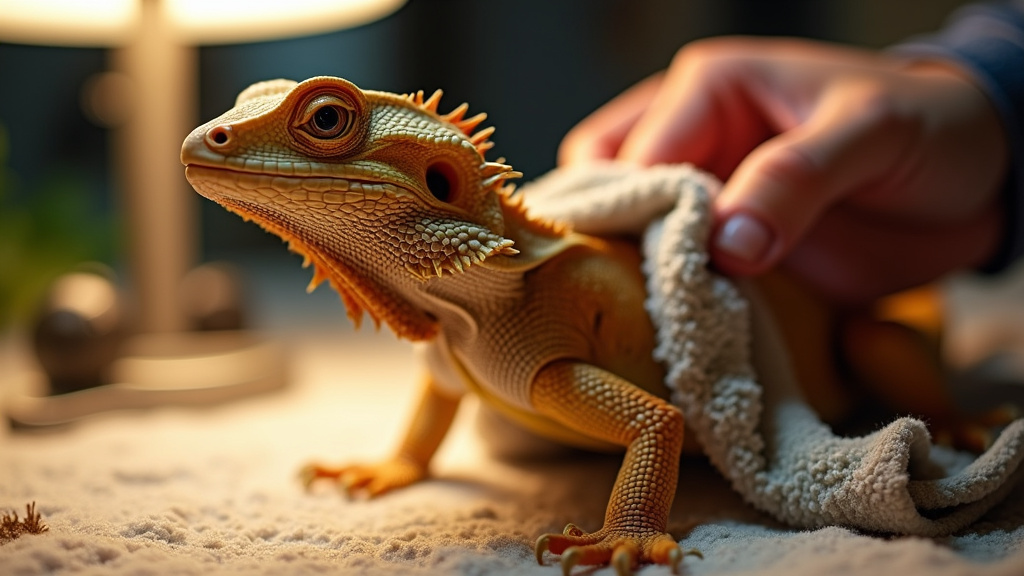
This deserves its own section because failure here is the most common cause of bath-related illness. A bearded dragon’s body temperature is externally regulated. A bath, even a warm one, is below their preferred core temperature of 95-100°F.
When you pull them out wet, evaporation causes rapid heat loss. If you put a damp dragon back into a 80°F ambient enclosure, their core temperature can plummet into the 70s within minutes. This cold stress suppresses their immune system and creates the perfect environment for opportunistic respiratory pathogens.
The result is a respiratory infection. The signs are subtle at first: a slight clicking sound when breathing, a small bubble of mucus at the nostril, reduced appetite. Left untreated, it progresses to wheezing, open-mouth breathing, and lethargy.
Before you start: The two specific hazards are thermal shock and respiratory infection. Mitigate them by 1) using a thermometer to verify water is 86-91°F, and 2) executing the dry-towel and direct-basking protocol immediately after the bath.
The official Agriculture and Fisheries Department lizard guide emphasizes that reptiles are vulnerable to temperature extremes. Their guidance aligns with this strict rewarming principle for all captive lizard care.
Your basking spot must be ready and hot. Use a temp gun to verify the surface temperature is 105-110°F. The dragon needs to sit there long enough to stop feeling cool to the touch on their back. This is not the time for a snack, digestion requires heat, and their system is focused on warming up.
How Often Should You Bathe Your Bearded Dragon?
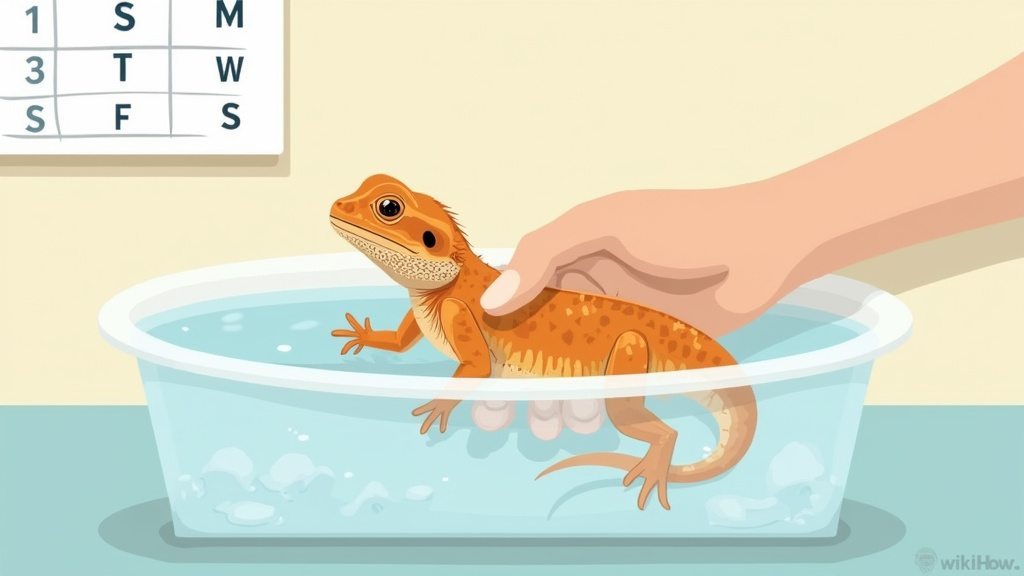
Frequency isn’t one-size-fits-all. It changes with age, health, and season.
For a healthy adult dragon, 2-3 times per week is the standard maintenance schedule. This provides consistent hydration support and keeps them clean. You can bathe an adult daily if they are in the middle of a heavy shed and tolerate it well, provided you are religious about the drying and warming.
Juveniles and babies grow rapidly and shed more frequently. They can benefit from short, 5-10 minute soaks 3-4 times a week. Their smaller size means they lose heat faster, so supervision and post-bath care are even more critical. Some sources, like the Hong Kong government pet care page, note that very young dragons are at higher drowning risk, making shallow depth paramount.
Increase bathing frequency for specific issues:
* Active Shedding: Daily or every other day until the shed is complete. This is a core part of shedding assistance.
* Constipation: Offer a warm bath daily until they pass the blockage. This is a primary constipation relief method.
* Dehydration Signs: Daily baths to encourage drinking until symptoms (sunken eyes, tacky saliva) resolve.
Decrease or stop bathing if your dragon is ill, injured, or overly stressed. Never bathe a dragon showing signs of a respiratory infection.
Reading Your Dragon’s Behavior: Stress vs. Enjoyment
Your dragon will tell you how they feel about bath time. Learn the language.
Signs of a positive experience:
- Sitting calmly with a light, neutral-colored beard.
- Closing their eyes partially in a relaxed manner.
- Lowering their head to drink.
- Defecating (a sign of gut relaxation).
- Gently paddling or exploring the container.
Signs of stress or fear:
- Black beard: The beard darkens, a clear sign of agitation or fear.
- Frantic swimming/climbing: Constant, panicked attempts to escape the water.
- Gaping (open-mouth breathing) in warm water: This signals overheating.
- Flat, pancaked body posture: They are trying to make themselves bigger in a defensive stance.
If you see stress signs, end the bath early. A stressed bath is a harmful bath. Over time, with calm, predictable handling, many dragons transition from tolerance to apparent enjoyment. They recognize the container and settle in quickly.
Conversely, a dragon that suddenly starts spending excessive time soaking in its water bowl may be trying to tell you something. This soaking behavior can indicate the enclosure is too hot, or worse, a sign of a mite infestation irritating their skin.
When Not to Bathe Your Bearded Dragon
Bathing is a tool, not a cure-all. There are times when it can do active harm.
Do not bathe a dragon with a respiratory infection. The combination of moisture and potential chilling can worsen the condition dramatically. Wait until a vet has cleared them and symptoms are fully resolved.
Do not bathe a dragon that is lethargic or weak. If they are already struggling, the physical exertion and temperature change can push them over the edge. Address the underlying illness first.
Do not bathe a dragon with open wounds or injuries. Water can introduce bacteria and slow healing. Follow your veterinarian’s instructions for cleaning any injuries.
Avoid bathing immediately after feeding. While not as critical as with some reptiles, a full stomach combined with warm water can cause regurgitation in some individuals. Wait at least an hour after a meal.
Finally, if your dragon is violently, consistently stressed by baths despite perfect conditions, you may need to reduce frequency and rely more on other essential hygiene practices like misting and spot-cleaning. Their mental well-being matters too.
Frequently Asked Questions
My bearded dragon won’t drink in the bath. Is it still helping?
Yes. Even if they don’t sip, they are still hydrating through limited cloacal absorption, and the soak is assisting with shedding and hygiene. The bath’s humidity can also encourage them to lick moisture from their snout. Keep offering calmly; the drinking instinct may kick in over time.
Can I use soap or reptile shampoo to clean my dragon?
Never. Soaps and detergents strip the natural oils from their skin, are toxic if ingested, and are extremely difficult to rinse off completely. Clean, lukewarm water is all you need. For stubborn dirt, use the soft toothbrush with water only.
How do I know if the bath helped with constipation?
The success metric is defecation. A dragon struggling with gastrointestinal blockages may pass the stool during or shortly after the bath. The warm water relaxes the cloacal muscles. If multiple daily baths over 2-3 days produce no result, a veterinary visit is urgent.
My dragon poops in the bath every time. Is this normal?
It’s very common and actually convenient. The warm water stimulates the bowels. It’s easier to clean a plastic tub than to scrub dried waste from enclosure decor. Just remove the dragon promptly, discard the soiled water, and give them a quick rinse in fresh, clean water before drying.
Can I bathe my bearded dragon in my regular bathtub?
It’s not recommended. Bathtubs are slippery, difficult for the dragon to grip, and almost certainly contain soap, shampoo, or cleaning chemical residues that are toxic to reptiles. A dedicated, easy-to-sanitize plastic container is safer and more hygienic.
What does it mean if my dragon’s skin looks wrinkly after a bath?
This is normal temporary “pruning,” just like human fingers after a long bath. It does not mean they absorbed water through their skin. The wrinkles will smooth out within an hour as they dry and bask. Persistent wrinkled skin when dry is a sign of dehydration.
The Bottom Line
Bathing is a cornerstone of proactive bearded dragon care. It solves multiple problems, dehydration, stuck shed, constipation, and dirt, with one simple routine. The magic isn’t in the soak itself, but in the details surrounding it: the precise 86-91°F temperature, the elbow-deep water, and the non-negotiable dry-and-bake protocol that follows.
Stick to the 2-3 times per week schedule, watch your dragon’s body language, and adjust for life events like the shedding process. A dragon that learns to relax in the water is a dragon that’s hydrated, clean, and regular. Skip the shortcuts. The fifteen minutes you invest in a proper bath pays back in vet bills you’ll never have to pay.