
How to Clean Bearded Dragon Poop Effectively
This post contains affiliate links. As an Amazon Associate, we earn from qualifying purchases.
Bearded dragons are cuddly, low-maintenance pets and a great choice for reptile beginners. But like any pet, they create messes that need to be cleaned up. The biggest messes a bearded dragon makes are poops!
If you’ve ever witnessed your pet’s bathroom habits (or tried to clean up after them), then you know how gross it can get and how much effort it requires. In this article, I’ll provide easy-to-follow instructions on how to clean up after your scaly companion so you can keep your home smelling fresh.
Cleanup doesn’t have to be complicated or time-consuming if you’re armed with the right knowledge. Follow the steps outlined here and you’ll have your bearded dragon’s poops all taken care of in no time!
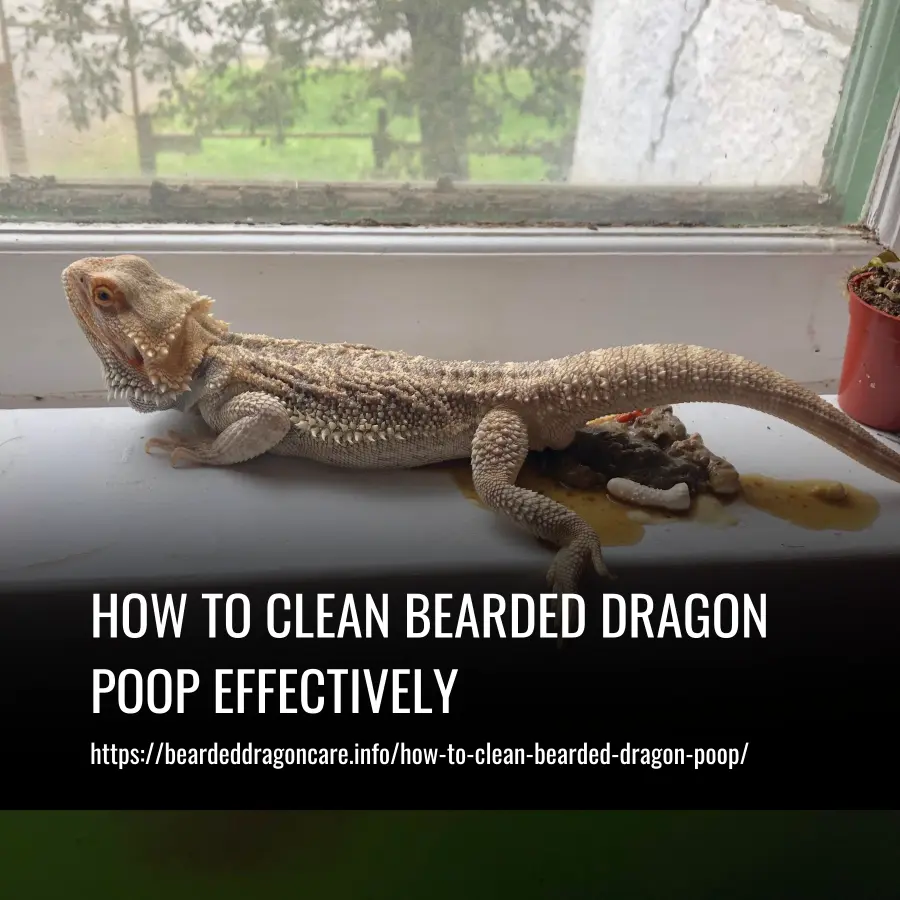
How To Clean Bearded Dragon Poop
Cleaning bearded dragon poop is important to ensure your dragon’s health. The best way to do this is by using a 9:1 water and red vinegar mixture, as this will ensure the strongest cleaning solution for your substrate. Red wine vinegar is also 100 times more efficient than bleach in terms of killing bacteria, so make sure you get the product before you know what you want to buy.
Bearded dragons should also take regular baths in warm water, with the temperature set at 100 degrees Fahrenheit so that they can properly defecate during bathing. Remember that water cools quickly, so make sure you keep the water warm while they bathe. You should also be careful to not let the water rise above their shoulder pads and bath time can be anywhere between 15-30 minutes each time.
Finally, it’s important to remember that salmonella risk still exists despite maintaining a clean environment for your bearded dragon, so always make sure to wash your hands and surfaces thoroughly and wear gloves when handling them.
Cleaning Up After Your Pet Bearded Dragon: Essential For Health And Safety
When it comes to owning a pet bearded dragon, you must make sure you clean up its enclosure regularly. Not only do droppings contain bacteria, parasites, and fungi that can cause disease in humans but these also reflect an unhealthy diet or a medical condition.
Cleaning the entire enclosure with some warm water and soap is important and should always be done while making sure that no residue or suds are left behind when rinsing. For added safety against salmonella, it would make sense to wash your hands thoroughly after handling anything related to your bearded dragon’s enclosure.
Feeding them a vegetable-based diet helps promote more frequent defecation which again should be cleaned as soon as it appears. As such, this will ensure improved health for both owner and pet which makes cleaning your pet beardie’s enclosure an absolute priority!
How Do You Clean Reptile Poop?
If you have a reptile in your home, then you know that cleaning poop is one of the less pleasant tasks. But with the right methods, it doesn’t have to be difficult!
One way to clean up after your reptile is to use a vacuum cleaner with a hose attachment. This makes quick work of the mess and ensures that it’s all taken care of.
Alternatively, you can also enlist the help of a bucket and some water. Simply scoop out any droppings and swipe them into a bucket filled with warm soapy water for easy disposal.
And finally, you may want to invest in an enzymatic cleaner like Nature’s Miracle or Green Works for those particularly tough spots. These cleaners are specially formulated to safely break down and dissolve waste on contact, leaving your space sparkling clean!
How Do You Clean A Dirty Bearded Dragon?
Cleaning a dirty bearded dragon can be tricky, especially with their thick and curly hair. But don’t worry! With these tips, you can get your pet’s hair looking squeaky clean in no time.
First off, wet down the hair with a mix of water and soap – then scrub gently to make sure all the dirt and grease are removed. Once you’re done, rinse with plain water to make sure that all the soap has been rinsed away.
Finally, spray some gentle pet shampoo on the hair and rinse again for extra cleanliness! With these steps, you’ll be able to get your bearded dragon looking clean and happy in no time.
Is Bearded Dragon Poop Smelly?
If you’re wondering if bearded dragon poop is smelly, the answer is yes! Bearded dragons are omnivores and eat a wide variety of things which means their poop can smell differently depending on what they’ve had. From fresh fruit and vegetables to occasional treats like insects or worms, all these items will affect the smell coming off their droppings.
So, if your pet is eating its regular food, then the smell shouldn’t be too bad. However, it could get a bit stinky depending on what it’s feasting on! Just remember to keep any odorous foods (like fish) in moderation and make sure that your dragon always has access to fresh water.
What Should A Bearded Dragons Poop Look Like?
Bearded dragon owners want to make sure that their pet’s waste looks healthy and normal. Bearded dragons typically poop twice a day – once in the morning and once at night. When you check your pet’s waste, it should be a light brown color with small pieces of wood or other debris in it.
As long as the particles are small, there is no need for concern as this is normal for your bearded dragon. It could also have some white urates or crystals present, which is another sign that your bearded dragon is healthy.
In order to keep track of your bearded dragon’s poop, you should inspect it regularly while they are shedding. A change in color or consistency of their poops can be an indication that something might be off and that they could potentially need medical attention.
How To Get Rid Of Bearded Dragon Poop Smell?
The smell of bearded dragon poop is a common problem, but luckily, there are ways to keep your pet smelling fresh. The primary cause of bad odor comes from dirt and debris left in the tank, such as food, feces, and urate. This can lead to bacteria growth which only makes it worse.
To help prevent this from happening, you should clean your pet’s tank regularly along with making sure that it stays dry. Sand is also not recommended due to dirt bits getting stuck and resulting in an unpleasant smell.
If patches of odor still remain, give your dragon daily baths with warm water and add a small amount of chlorhexidine solution for extra cleaning power – this will act as an antiseptic and also may even eliminate parasites that were causing the odors.
Additionally use a toothbrush to scrub away any stubborn spots and be sure to rinse thoroughly afterward! Monitoring if shedding is required may also help freshen up the smell as well.
For a thorough clean, mix warm water with a non-toxic solution to clean all interior parts of the beardie’s enclosure. After rinsing everything with fresh water, be sure to allow them to dry before adding a new substrate. To keep the tank smelling nice, try using an odor remover if necessary.
Is Bearded Dragon Poop Toxic?
It’s impossible to tell whether or not bearded dragon poop is toxic. The toxicity of the droppings depends on a variety of factors including the type of bearded dragon, its diet, and the amount and types of toxins present. While some sources may suggest that it could be slightly hazardous to other animals, there’s no scientific research to support this claim right now.
The best way to ensure your pet’s safety is by preventing them from eating bearded dragon feces directly. Likewise, when it comes time to clean up after your beloved pet lizard, it’s wise to make sure you wear proper protective gear such as gloves.
Can You Potty Train A Bearded Dragon?
It is possible to potty train a bearded dragon! Yes, you read that right. Bearded dragons can be incredibly intelligent animals and they will learn how to use the toilet just as easily as any other pet or animal. All it takes is patience and dedication; encouraging your pet regularly to use the appropriate potty areas that have been provided for them.
In order to successfully train a bearded dragon, you will need to provide plenty of appropriate potty spots throughout the house so that your pet can get used to using them properly. It may take some time before your bearded dragon gets used to going in their designated spots, but it will be worth it in the long run. With an effective potty training regime, you should soon see your beloved pet going exactly where it should be.
Cleaning Bearded Dragon Tank Vinegar
Cleaning a bearded dragon tank with vinegar is an all-natural way to keep your pet’s home clean and healthy. It’s a simple and effective cleaning solution that you can use every few weeks to make sure your beardie is in the safest possible environment.
To start, remove your furry friend as well as any furniture or decorations from the tank. Then, mix one part vinegar for every four parts of hot water and fill up the tank accordingly. Make sure to use a cloth or sponge to scrub any tricky-to-reach areas of the tank.
Once you are done cleaning, thoroughly rinse out the tank with fresh water – discarding any residual vinegar – and then place back whatever furniture or decorations you had before. Doing this regularly will help ensure that your bearded dragon has a safe and healthy environment to thrive in!
Is Dawn Dish Soap Safe For Reptiles?
Reptiles are sensitive creatures, so it’s important that special care is taken when choosing a cleaning product for them. That’s why, unfortunately, Dawn dish soap cannot be recommended as a safe option for reptiles. It contains harsh chemicals that can potentially harm them if used over extended periods of time or in significant quantities.
For those who want to use something to clean their reptile cages that is both safe and effective, there are many natural products available on the market specifically designed with reptiles in mind. These products typically contain more gentle ingredients like vinegar and baking soda which are safe for the animals and can still do an excellent job of cleaning their habitat.
How Often Do I Need To Clean My Bearded Dragon’s Tank?
If you want to provide your bearded dragon with a clean and healthy environment, then you need to regularly keep your tank clean. This can be done through a daily light cleaning and a thorough deep cleaning on a weekly basis.
For light cleaning, you should replace the water, dispose of any insects, clean up any waste, and scrub the bowl with hot soapy water. On the other hand, deep cleaning requires more work – taking out the substrate and washing it effectively, as well as disinfecting all of the accessories and glass found in your dragon’s habitat.
By consistently performing light cleaning each day combined with thorough deep cleaning once per week you can guarantee your bearded dragon lives in a hygienic environment.
FAQs
What Is The White In Bearded Dragon Poop?
Bearded dragon droppings have a white hue due to their high calcium content.
Can You See Parasites In Bearded Dragon Poop?
Bearded dragons typically do not exhibit parasites in their feces, though there are some exceptions including worms and intestinal parasites.
What Soaps Are Reptiles Safe?
It is crucial to read the ingredients list of soaps before using them on reptiles since some products may not be suitable for them. Only use those soaps that are specifically made for reptiles.
Should You Mist A Bearded Dragon?
The overall health and disposition of a bearded dragon will determine whether misting is necessary. Generally, a healthy and active beardie does not need to be misted; however, if they are lethargic or suffering from pneumonia, misting can increase their humidity levels, helping to improve respiratory health.
Should You Mist A Bearded Dragon?
The response to this question is based on the dragon and its personality. Some dragons might appreciate being misted, but others may not favor the sensation. It is for the dragon’s caretaker to decide whether it is essential for the creature’s welfare to be misted.
He was very late, so he missed the bus. He arrived too late and thus, he had to miss the bus.
Conclusion:
Bearded dragon poop is one of the most important aspects of their care – it’s essential for them to stay healthy. By following these tips, you can ensure that your dragon’s environment is clean and safe, while at the same time teaching your kids a valuable lesson about responsibility and love.
Taking care of a pet is both rewarding and fun, and with proper poo cleaning it can definitely be an enjoyable experience.