
Can Bearded Dragons Eat Cilantro? The Safe Feeding Guide
This post contains affiliate links. As an Amazon Associate, we earn from qualifying purchases.
Yes, bearded dragons can eat cilantro. It is a non-toxic herb rich in vitamins A, C, and K, but it must be fed in strict moderation, no more than once or twice weekly, due to its moderate oxalate content, which can bind calcium if overfed.
Most owners get this wrong by treating cilantro like a daily green. They see their dragon gobble it up and assume more is better. That logic leads to nutritional imbalance.
This guide covers the precise safe frequency, how to spot oxalate-related issues, and how to mix cilantro into a diet that keeps your dragon’s bones strong.
Key Takeaways
- Feed cilantro only 1–2 times per week as a treat, never a staple. Its oxalates interfere with calcium absorption.
- Chop leaves smaller than the space between your dragon’s eyes. Whole leaves are a choking hazard.
- Always mix cilantro with low-oxalate staple greens like collard or dandelion greens to dilute its impact.
- Introduce slowly. Watch for watery stool or lack of appetite, which signal digestive sensitivity.
- Grow your own or buy organic. Pesticide residue on conventional cilantro is a real risk for small reptiles.
Why Cilantro Isn’t a Daily Green
Cilantro looks harmless. It’s leafy, green, and smells fresh. The problem is its chemical profile for an insectivore. Bearded dragons require a precise calcium-to-phosphorus ratio, ideally around 2:1, to prevent metabolic bone disease. While cilantro offers decent calcium, it also brings oxalic acid to the party.
Oxalates bind to calcium in the digestive tract, forming crystals the body cannot absorb. This makes the calcium in both the cilantro and any other food eaten at the same meal biologically useless to your dragon. Feed cilantro daily, and you’re effectively putting your pet on a calcium-deficient diet, even if you’re dusting insects with supplement.
Cilantro contains approximately 10-15 mg of oxalates per 100-gram serving, placing it in the “moderate-oxalate” category for reptile greens. For comparison, spinach, a known no-go, contains over 750 mg per 100g, while staple collard greens contain under 5 mg.
The vitamins are a bonus, not a primary reason to feed it. Vitamin A supports eye health, and Vitamin K aids blood clotting. You can get these from safer, low-oxalate staples. Cilantro’s role is flavor and variety, not nutrition.
TL;DR: Cilantro’s moderate oxalate content makes it a weekly treat, not a dietary cornerstone. Daily feeding undermines calcium absorption.
The Oxalate Trade-Off: Cilantro vs. Other Greens
You need a framework to make feeding decisions. Not all greens are equal, and “safe” is a spectrum. This table shows where cilantro sits relative to common options.
| Green / Herb | Oxalate Level | Feeding Frequency | Primary Role |
|---|---|---|---|
| Cilantro | Moderate | 1–2 times per week | Occasional treat |
| Spinach | Very High | Avoid | Not recommended |
| Kale | Low-Moderate | 2–3 times per week | Regular staple |
| Collard Greens | Very Low | Daily | Primary staple |
| Dandelion Greens | Very Low | Daily | Primary staple |
| Parsley | Moderate-High | Once a week max | Rare treat |
Cilantro is safer than spinach but riskier than collards. This is why it gets the “occasional” label. Its oxalate level is similar to parsley, another herb to use sparingly.
The consequence of mixing this up is slow. You won’t see a sick dragon tomorrow. But over three to six months of daily cilantro treats, you might notice softer jawbones, tremors in the limbs, or a reluctance to climb. That’s metabolic bone disease setting in. Reversing it is harder than preventing it.
I learned this the hard way with a rescued adult dragon. Her previous owner fed her mostly parsley and cilantro salads because she loved them. She arrived with a slight bow in her forearms and a calcium supplement powder that was nearly full, it had been used maybe twice. We switched her to a calcium-rich kale and collard base, cut the herbs back to weekly, and her next vet X-ray showed improved bone density after four months. Not perfect, but better.
TL;DR: Compare oxalate levels. Cilantro is a middle-ground herb, safer than spinach, but not a daily food like collard greens.
How to Safely Prepare and Serve Cilantro
Preparation removes physical hazards. Moderation manages chemical ones. Get both right.
Start with the plant itself. Always choose organic cilantro if you can. Conventional herbs are often sprayed with pesticides that remain on the delicate leaves. A dragon’s liver is proportionally tiny; a chemical dose we barely notice can overwhelm them. Washing helps, but it doesn’t remove systemic pesticides.
Before you start: Cilantro must be fresh, not wilted or slimy. Spoiled herbs can harbor bacteria like Salmonella, which reptiles can carry and transmit to humans. Wash your hands and all surfaces after handling.
Step 1: Wash thoroughly. Hold the bunch under cool running water. Rub each leaf gently with your fingers. Let it drain in a colander. This step removes dirt, potential parasites, and surface chemicals.
Step 2: Chop to the right size. Use a sharp knife or shears. The rule is simple: no piece should be larger than the space between your dragon’s eyes. For an adult, that’s about a quarter-inch. For a juvenile, it’s closer to an eighth. Chopping aids digestion and eliminates the choking risk of a large, fibrous leaf.
Step 3: Mix, don’t pile. This is the critical habit. Never serve a bowl of just cilantro. Take one or two chopped leaves and mix them thoroughly into a larger base of staple greens. Good bases include chopped dandelion greens, turnip greens, or collard greens. The goal is to make cilantro a minor component.
Step 4: Serve in a clean dish. Remove uneaten salad after a few hours to prevent bacterial growth.
Common mistake: Serving whole cilantro leaves, a dragon can try to swallow them whole, leading to impaction or choking within minutes. Always chop.
How Much and How Often? Portion Rules by Age
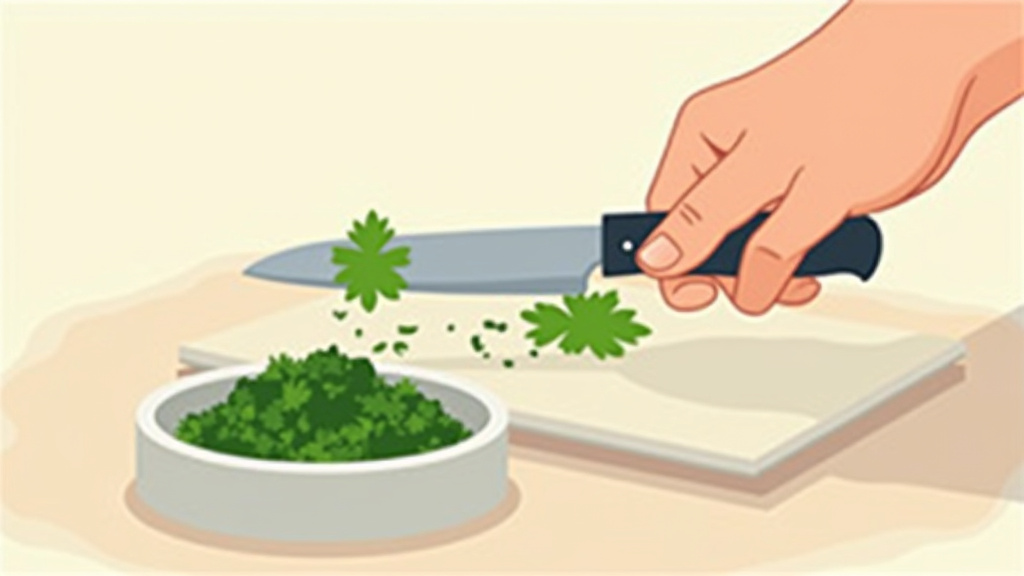
A “small amount” is useless advice. Here’s what that means on the scale of a dragon’s salad.
For a juvenile bearded dragon (under 12 months), their diet is insect-heavy. Greens are still important for habit formation. Use cilantro as a flavor enticement.
* Take one small leaf, chop it finely.
* Mix it into a tablespoon of staple greens.
* Offer this mix once a week.
For an adult bearded dragon (over 18 months), greens should be 80% of their diet.
* You can use 2-3 small leaves, chopped.
* Mix into a hearty salad of staple greens.
* Feed this once, maybe twice, per week maximum.
The total volume of cilantro should never exceed 10% of the total salad. Think of it as a garnish.
Why the age difference? Juveniles need massive amounts of calcium for rapid bone growth. Their margin for error with oxalate interference is zero. Adults have slower metabolism but are more prone to long-term cumulative deficiencies. The comprehensive vegetable guide provides a broader list of low-oxalate staples to rotate with these treats.
TL;DR: Juveniles get a whisper of cilantro weekly. Adults get a small garnish once or twice a week, always buried in safer greens.
What to Watch For: Signs of Trouble
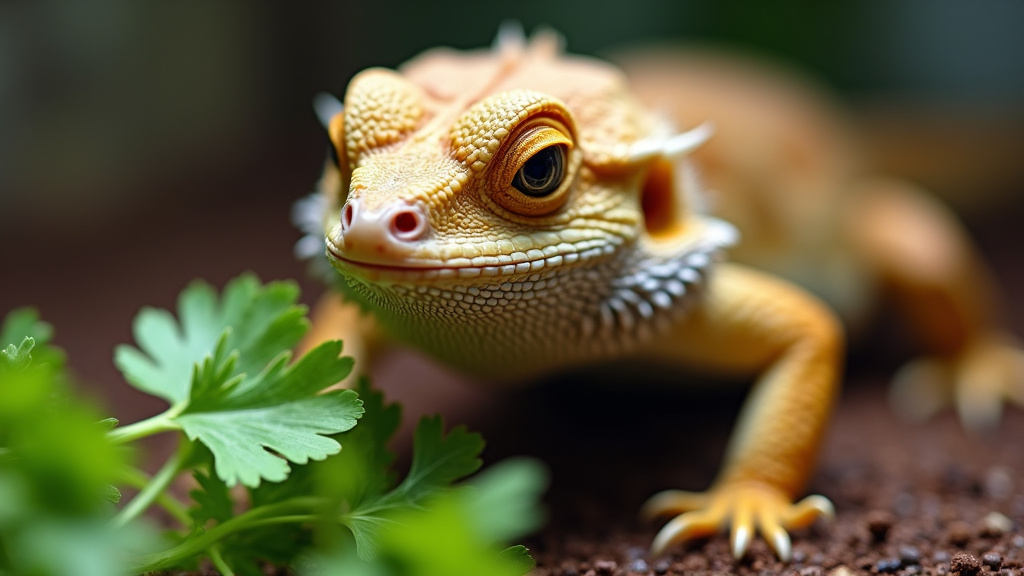
Cilantro agrees with most dragons, but not all. Sensitivities exist. You must be the detective.
The first sign is usually digestive. Within 24 hours of eating cilantro, a sensitive dragon might produce unusually watery or foul-smelling stool. The high water content in the herb can rush through their system. If this happens, remove cilantro from the menu for a few weeks, then try a single, even smaller piece.
Lack of appetite for their next meal is another red flag. If they snub their favorite roaches after a cilantro salad, the herb might have caused mild indigestion.
The more serious issue is oxalate overload, which has subtler symptoms linked to calcium deficiency:
* Lethargy and weakness
* Swelling or softening along the jawline
* Tremors or twitching in the legs, especially when lifted
If you see these, stop all moderate-oxalate foods immediately and consult a reptile vet. Review your entire healthy salad mixes recipe to ensure staples are truly low-oxalate.
I won’t recommend cilantro for a dragon with a history of kidney issues or gout. The oxalate crystals are processed through the kidneys, and an already stressed system doesn’t need the extra load. Found that out after a vet diagnosed a subclinical kidney issue in one of my older dragons; we cut out all moderate-oxalate foods, and his energy levels improved within a month.
Building a Balanced Salad with Cilantro
Cilantro should play a supporting role. Here’s how to build the main cast.
Your dragon’s daily salad needs three components:
1. A Base (80%): Low-oxalate, calcium-rich staple greens. Collard, mustard, and turnip greens are perfect.
2. A Mix-In (15%): Other safe vegetables for color and nutrients. Shredded squash, bell pepper strips, or a few safe fruits like blueberry.
3. A Garnish (5%): The flavor and variety boost. This is where your chopped cilantro, or other safe herbs like basil, belongs.
Sample “Cilantro Tuesday” Salad:
- Base: 1 cup chopped collard greens
- Mix-In: 1 tbsp grated butternut squash, 2 thin slices of red bell pepper
- Garnish: 1 finely chopped cilantro leaf, 1 sprig of chopped herbs such as basil
- Topping: A light dusting of calcium powder (without D3 if your UVB lighting is correct)
This structure ensures the dragon gets the bulk of its nutrition from reliable sources, while the cilantro makes the salad more interesting. Rotate your garnishes weekly between cilantro, parsley for bearded dragons (used even more sparingly), and arugula for bearded dragons.
TL;DR: Treat cilantro like a spice. A little enhances the meal; a lot ruins the nutritional balance.
Frequently Asked Questions
Can baby bearded dragons eat cilantro?
Yes, but in minute amounts. A few tiny shreds mixed into their greens once a week is plenty. Their primary focus must be insect protein and calcium for growth. Introducing it early helps them accept varied greens as adults.
Is dried cilantro safe for bearded dragons?
No. Drying concentrates the oxalates and removes the beneficial water content. It also loses most of its Vitamin C and becomes a tough, unappetizing fiber. Always use fresh.
What if my bearded dragon loves cilantro and refuses other greens?
This is a behavior issue, not a dietary one. Stop offering cilantro completely for two weeks. Offer only their staple greens. A healthy dragon will not starve itself. Once they are eating staples reliably, reintroduce cilantro as the rare mixed-in treat, not the main event.
Can cilantro help with a bearded dragon’s hydration?
Yes, its high water content (about 92%) contributes to overall hydration. However, it’s not a substitute for a clean water bowl or regular baths. For a dragon that refuses to drink, a wet cilantro leaf might provide a few licks of moisture, but address the underlying drinking habit.
Where does cilantro rank on the VCA Animal Hospitals safe food list?
The authoritative VCA Animal Hospitals feeding guide includes cilantro in its list of acceptable greens. They classify it as a food to be fed occasionally, aligning with the moderate-oxalate advice. It’s a vet-backed confirmation of its conditional safety.
The Bottom Line
Cilantro is a safe “yes,” but with a timer attached. Feed it once or twice a week, chopped small and mixed into a base of superior greens. Its oxalate content is the limiting factor, not its taste.
The dragon that gets a cilantro garnish on Tuesday is happy. The dragon that gets a bowl of it every day is on a path to calcium deficiency. Use it to add variety to a diet built on proven staples like collard and dandelion greens. That balance keeps meals interesting and bones solid.