
Why Is My Bearded Dragon Poop Watery? 7 Causes & Solutions
This post contains affiliate links. As an Amazon Associate, we earn from qualifying purchases.
Watery bearded dragon poop is caused by dietary overhydration, parasitic infections like Coccidia, bacterial infections, stress, improper temperatures, or serious illnesses like Atadenovirus. The first step is to distinguish harmless excess water from true diarrhea by inspecting the consistency of the brown fecal matter itself.
Most owners panic at the first puddle. They scroll through forums, see horror stories about parasites, and assume the worst. The reality is simpler, but also more nuanced. That panic often leads to the wrong fix, like withholding all water-rich foods when the dragon actually needs hydration.
This guide walks through the seven most common causes, shows you how to run a diagnostic check in under twenty minutes, and gives you the clear thresholds for when a vet visit is non-negotiable.
Key Takeaways
- Overhydration poop has a solid brown log surrounded by clear liquid. True diarrhea has mushy, unformed, or liquid brown feces, often with a foul smell.
- Dehydration can cause loose stools. A dragon trying to conserve water will pull fluid from the colon, resulting in oddly wet but infrequent bowel movements. Check the urate, if it’s chalky or orange, hydration is the issue.
- Coccidia and roundworms are the most common parasitic culprits. They cause persistently foul-smelling, watery stool, weight loss, and sometimes black, tarry feces.
- Temperature is a silent disruptor. A basking spot below 95°F slows digestion to a crawl, letting food ferment and produce runny, foul waste.
- Persistent watery poop beyond 48 hours, especially with lethargy or weight loss, requires a veterinary fecal test. Home remedies won’t fix a parasitic or bacterial infection.
Watery Poop vs. True Diarrhea: Spot the Difference
The single biggest mistake is calling every wet cage corner “diarrhea.” You waste time treating the wrong problem. The diagnostic key is the brown part.
A healthy normal bearded dragon poop consists of a firm, brown fecal portion and a white or off-white urate. The urate should be soft and pliable, like compressed chalk. The brown section holds its shape when picked up. You might see a small, clear liquid puddle, this is excess water from the bladder and is normal.
True diarrhea presents when the brown fecal matter itself lacks form. It is mushy, slurry-like, or entirely liquid. This is often accompanied by a noticeably foul odor distinct from regular waste. The urate may be absent, runny, or discolored.
Overhydration stool is different. Your dragon ate too many hornworms, blueberries, or cucumber. The digestive tract processes the food normally, producing a solid brown log. But the excess water ingested passes through and surrounds the log with a large, clear puddle. The brown part is still solid. The smell is normal. This is a dietary issue, not an infection.
TL;DR: Pick up the brown part with a paper towel. If it’s solid, you’re dealing with overhydration. If it’s mush or liquid, it’s true diarrhea and needs investigation.
The 7 Most Common Causes of Watery Stool
Pinpointing the cause starts with a timeline. Sudden onset after a diet change points one way. A gradual shift over weeks points another.
1. Dietary Imbalances and Overhydration
This is the most frequent cause, especially in eager feeders. The dragon’s digestive system can only process so much water at once.
- High-Moisture Foods: Hornworms are the classic culprit, they’re over 85% water. Fruits like watermelon, berries, and cucumber, and greens like romaine lettuce flood the system.
- High-Fiber Foods: In excess, fibrous vegetables like pumpkin, squash, and apples can speed up gut transit time, pulling water along and resulting in looser stools.
- Sudden Diet Changes: Introducing a new green or insect abruptly can shock the gut microbiome, leading to temporary abnormal digestion.
The fix is straightforward. Remove the suspect food for three to four days. Offer drier staples like collard greens, dandelion greens, and appropriate feeder insects like dubia roaches. Reintroduce the watery food in tiny amounts once a week.
2. Parasitic Infections (Coccidia & Roundworms)
Parasites are the most serious common cause of true, foul-smelling diarrhea. They damage the intestinal lining, preventing proper nutrient and water absorption.
- Coccidiosis infection is caused by protozoa that invade the gut wall. Stool is often watery, mucus-streaked, and extremely foul-smelling. Dragons may poop more frequently but lose weight.
- Nematode infections like roundworms and cestode infections (tapeworms) can cause similar symptoms. You might see visible worms or segments in the feces.
Common mistake: Assuming a dragon from a pet store or breeder is parasite-free, most carry a low-level load that blooms under stress. Skipping an initial vet fecal exam means you miss this baseline.
These infections require veterinary diagnosis and prescription medication. Over-the-counter reptile “dewormers” are often ineffective and can be harmful. A simple fecal float test identifies the specific parasite.
3. Bacterial Infections
An overgrowth of harmful gut bacteria (like Salmonella, which they can carry naturally) or an introduced pathogen causes inflammation. Symptoms mirror parasites: smelly bearded dragon poop, lethargy, and loss of appetite. This often follows feeding spoiled greens or insects, or from a contaminated water bowl. Treatment requires antibiotics prescribed by a vet after a fecal culture.
4. Improper Environmental Conditions
Your dragon’s metabolism is powered by external heat. Get this wrong, and nothing works.
- Basking Temperature Too Low: The basking surface (measured with a probe thermometer) must be 95-105°F. If it’s only 85°F, food sits in the gut and ferments, producing gas and runny, sour-smelling waste.
- Inadequate UVB Lighting: UVB is essential for calcium metabolism and overall health. A weak or old bulb (replace every 6-12 months) can indirectly affect gut function and immune response, making dragons susceptible to other issues.
- General Stress: A new enclosure, loud noises, or an aggressive cage mate disrupts the nervous system, which directly impacts digestion schedule.
5. Dehydration (The Paradoxical Cause)
It seems backward, but a dehydrated dragon can produce loose stools. When the body is desperate to conserve water, it pulls fluid from the large intestine back into the bloodstream. This leaves the fecal matter poorly formed and can irritate the colon, causing a rush of fluid into the bowel as a stress response. Check the urate. A dehydrated urate is hard, crumbly, and bright yellow or orange.
6. Atadenovirus (ADV)
This is a worst-case scenario. Atadenovirus is a devastating, often fatal virus that attacks multiple organ systems, including the liver and digestive tract. Chronic, unresponsive diarrhea is a key symptom, especially in juveniles. Other signs include stunted growth, neurological issues (head tilting, seizures), and severe lethargy. There is no cure, only supportive care. This is why sourcing your dragon from a reputable breeder who tests for ADV is critical.
7. Medications and Toxins
Certain antibiotics or other medications can disrupt gut flora as a side effect. Accidental ingestion of toxins, like household chemicals or toxic plants, will also cause acute, severe digestive distress.
| Cause | Primary Symptom | Odor | Urates | Action Required |
|---|---|---|---|---|
| Dietary Overhydration | Solid brown log + large clear puddle | Normal | Normal, white | Adjust diet, monitor |
| Parasites (Coccidia) | Watery, mucus, frequent | Extremely foul | Often abnormal | Vet visit, fecal test, medication |
| Low Basking Temp | Runny, may be sour-smelling | Unpleasant | Possibly dry | Correct temperature with probe |
| Dehydration | Loose, infrequent | Normal | Hard, yellow/orange | Warm soaks, oral hydration |
| Bacterial Infection | Watery, lethargy, loss of appetite | Foul | Variable | Vet visit, possible antibiotics |
The 7-Step Diagnostic Checklist
When you find a mess, don’t guess. Run through this sequence. It takes fifteen minutes and tells you your next move.
- Glove up and inspect. Use a paper towel to separate the fecal matter. Is the brown part solid or liquid? Note any mucus, strange colors, or foreign material. This tells you if it’s true diarrhea.
- Check the urate. Feel it. Is it soft and white or chalky and colored? This is your hydration indicator. A dry urate with loose stool points to the dehydration paradox.
- Verify temperatures. Place a probe thermometer directly on the basking rock. Is it 95-105°F? Check the cool side (75-80°F). Incorrect temps are a fast, free fix.
- Audit the diet. What did they eat in the last 48 hours? Write it down. Look for new foods or excessive amounts of known hydrating items.
- Collect a sample. If anything seems off, use a popsicle stick to place a pea-sized amount of the freshest stool into a clean, sealed container. Refrigerate it. You now have a viable sample for the vet for 24-48 hours.
- Offer a warm bath. Prepare a bath at 85-90°F, shallow enough to not cover the shoulders. Soak for 15-20 minutes. This encourages drinking, provides hydration, and may stimulate a fresh bowel movement you can observe.
- Observe behavior. Is your dragon alert? Basking? Eating? Or are they lethargic, hiding, and showing a loss of appetite? Behavior plus stool gives the full picture.
I learned the temperature lesson the hard way with a rescued dragon named Rusty. His poop was consistently sour and runny. I checked the basking spot with a cheap stick-on thermometer, it read 95°F. On a whim, I borrowed a friend’s probe. The actual rock surface was 82°F. The sticker was measuring ambient air, not the contact temperature. I raised the lamp, the rock hit 100°F, and his stool firmed up within three days. The tool matters.
TL;DR: Inspect, feel the urate, measure the basking surface with a probe, review the diet log, save a sample, give a bath, and watch their eyes. This process eliminates guesswork.
When to See a Veterinarian Immediately
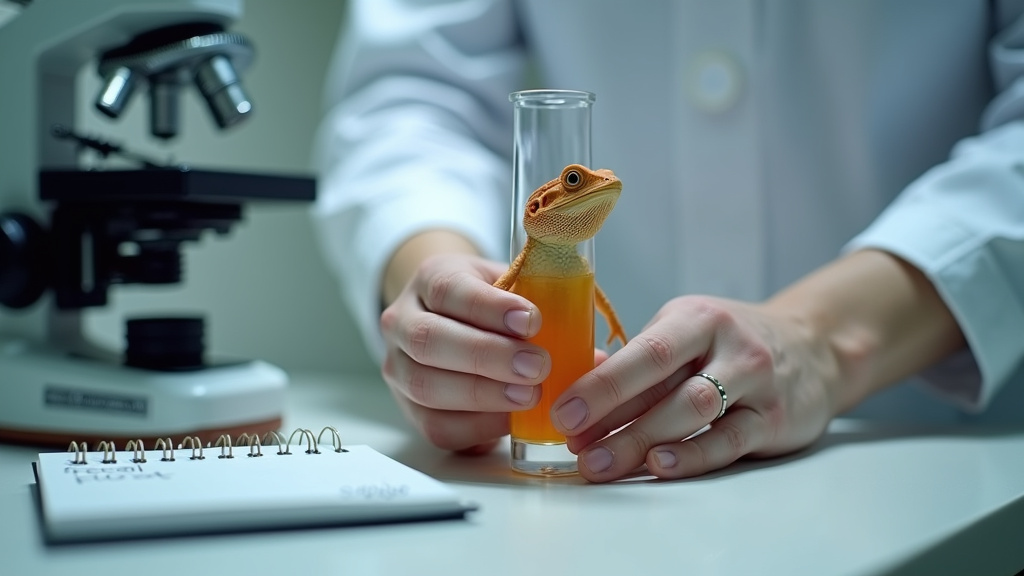
Some signs mean stop reading and start calling. Exotic vets often have wait times, so know your red flags.
- Watery stool persists for more than 48 hours after correcting diet and temperatures.
- The poop contains visible blood, excessive mucus, or has a black, tarry appearance. This can indicate internal injuries or severe parasitic damage.
- Your dragon is lethargic, not basking, and has a complete loss of appetite.
- You notice significant weight loss over a week or two.
- The diarrhea is accompanied by other symptoms: swollen abdomen, difficulty breathing, or neurological signs like tremoring.
Your vet will likely request the fresh fecal sample you collected. The test (a fecal float and direct smear) identifies specific parasites or bacterial overgrowth. Treatments are targeted, for example, Ponazuril for Coccidia or Fenbendazole for roundworms. Giving the wrong medication wastes time and stresses the animal.
Treatment and Home Care Strategies
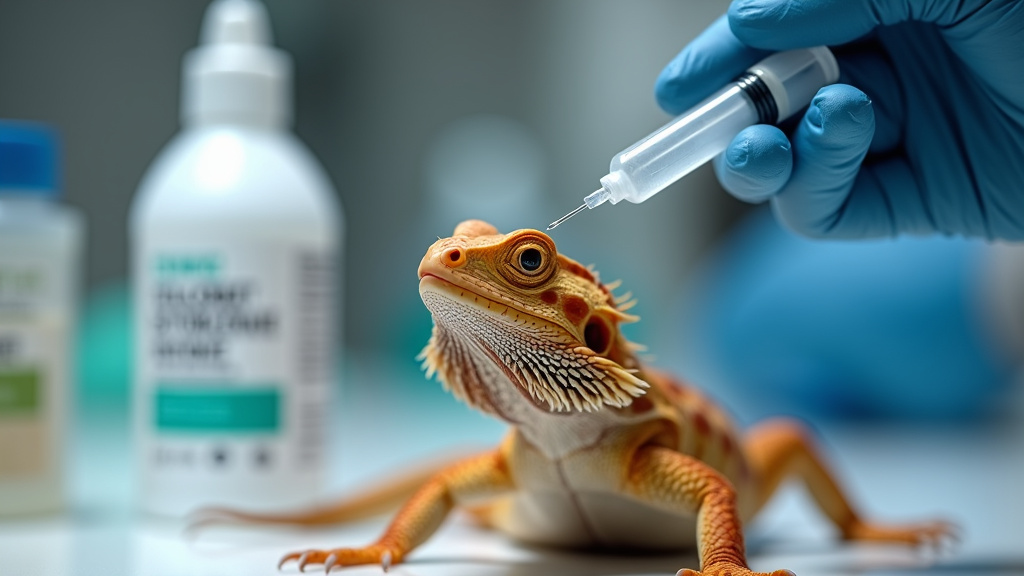
Your action plan depends on the diagnosed cause.
For Dietary Overhydration:
- Pause all high-moisture foods (hornworms, fruits, cucumber, lettuce) for 4-5 days.
- Offer a bland diet: collard greens, dandelion greens, and dubia roaches or black soldier fly larvae.
- Ensure perfect temperatures to optimize digestion.
- Reintroduce one hydrating item per week in small quantities. Observe the stool.
For Parasitic or Bacterial Infections:
- Administer all prescribed medication exactly as directed. Finish the entire course, even if symptoms improve.
- Aggressive enclosure sanitation is non-negotiable. Remove and replace loose substrate. Clean all surfaces with a veterinary disinfectant like F10SC or diluted chlorhexidine. Spot-clean feces immediately to prevent reinfection from the intestinal parasites.
- Keep your dragon well-hydrated. Daily warm baths and offering water via syringe can prevent dehydration from the diarrhea itself.
For Stress-Related Issues:
- Identify and remove the stressor. This could be relocation, a new pet in the house, or an incompatible tank mate.
- Provide plenty of hides and visual barriers.
- Minimize handling until stools normalize.
Supportive Care for All Cases:
- Probiotics: A reptile-specific probiotic like Benebac or non-dairy acidophilus powder can help repopulate healthy gut flora, especially after antibiotics. Sprinkle a tiny pinch on food.
- Hydration: Continue daily warm soaks. For dehydrated dragons, you can offer water orally via a 1ml syringe placed at the lip, one drop at a time.
Before you start: Handling a sick reptile stresses them. Wash your hands before and after with antibacterial soap. Wear gloves when cleaning feces to avoid potential zoonotic transmission of bacteria like Salmonella. Have your exotic vet’s phone number and address saved.
Frequently Asked Questions
How long is too long for watery poop?
If it’s pure dietary overhydration, it should resolve within 48 hours of removing the offending food. True diarrhea from infection or serious causes will not improve on its own and needs vet attention within 2-4 days. Waiting longer risks severe dehydration and gastrointestinal blockages from gut slowdown.
Can I treat parasites at home?
No. You cannot accurately diagnose the specific parasite without a microscope. Over-the-counter treatments are broad-spectrum and harsh, often harming the dragon without killing the parasite. They also complicate a vet’s later diagnosis. A proper fecal test and prescribed medication are required.
My dragon’s poop is watery but they seem fine. Should I worry?
Maybe not today, but soon. If the cause is early-stage parasites or a slight temperature imbalance, the behavioral symptoms (lethargy, loss of appetite) lag behind the stool changes. Use the “seem fine” period to run the diagnostic checklist. Correct what you can and monitor closely. If the next poop is also watery, start planning for a vet visit.
What does healthy bearded dragon poop look like?
Healthy stool has two distinct parts: a firm, brown, log-shaped fecal portion and a soft, white, pasty urate. There may be a small, clear liquid puddle (urine). It should not have a strong, offensive odor, a mild, musky smell is normal. For a full breakdown, our guide on normal bearded dragon poop details color, consistency, and frequency.
Could this be related to constipation?
It’s the opposite end of the spectrum, but both point to digestive distress. Chronic impaction symptoms from eating loose substrate can sometimes lead to odd, infrequent, and watery stools as the gut tries to move around a blockage. If your dragon strains or hasn’t pooped in over a week, a warm bath and belly massage are the first steps, as detailed in our article on relieving constipation.
The Bottom Line
Watery poop is your dragon’s most direct form of communication. It’s either saying, “You gave me too many hornworms,” or “There’s a parasite eating my gut lining.” Your job is to listen by inspecting, not just cleaning.
Start with the physical evidence in the cage. Separate the solid from the liquid. Check the heat where it actually counts, on the rock. Review the food log. These free, simple steps answer the question 70% of the time. For the other 30%, the answer is in a veterinary fecal sample. Don’t let panic drive you to the wrong solution. Let the poop itself tell you what it needs.