Bearded Dragon Brumation: Signs, Timeline & Vet Checklist
This post contains affiliate links. As an Amazon Associate, we earn from qualifying purchases.
Bearded dragon brumation is a natural dormancy period triggered by seasonal cooling and food scarcity, where your dragon becomes lethargic, eats less, and sleeps more. In captivity, it can happen anytime, lasts weeks to months, and requires a vet check for parasites before it begins, along with continued water access and monthly weight monitoring.
Most people mistake the early signs for illness and panic. They try to warm the dragon up, force-feed it, or handle it more, actions that stress an animal trying to conserve energy. The dragon gets angry, hides deeper, and the owner misses the chance to set up a safe dormancy.
This guide walks you through spotting the real signs, ruling out sickness with a concrete checklist, and managing the entire brumation cycle so your dragon wakes up healthy.
Key Takeaways
- A brumating bearded dragon will still respond to gentle touch, it might blink or shift slightly. A sick dragon often lies limp and unresponsive.
- Never feed a non-basking dragon. Its digestive system slows to near-zero; food sits in the gut and rots, leading to impaction.
- Get a fecal parasite test before brumation starts. Parasite loads can explode during dormancy because the immune system is suppressed.
- Weight loss over 15% is a red flag. Use a digital gram scale monthly. Healthy brumation involves minimal weight change.
- You cannot stop a determined brumation. Increasing heat and light might delay it, but if the dragon wants to sleep, it will sleep. Your job is stewardship, not control.
What Is Brumation, Really?
Brumation is not hibernation. Mammals in hibernation drop into a deep, unconscious torpor. Reptiles in brumation enter a sluggish, low-metabolism state where they can still wake to drink water, shift position, or even briefly bask if a warm day fools them. It’s an evolutionary response to cold and drought in their native Australian outback. In captivity, with steady temperatures and food, many dragons skip it entirely. Others brumate every year like clockwork. Some start in October, others in February. There’s no universal schedule.
Brumation is a state of reptilian dormancy characterized by reduced activity, appetite, and metabolism, allowing the animal to conserve energy during periods of environmental stress. It is distinct from mammalian hibernation in that the reptile remains somewhat alert and may periodically wake to drink or move.
The hormonal trigger is real. For adult dragons, brumation helps reset reproductive cycles. That’s why most dragons under 12 months don’t truly brumate, if a juvenile shows similar signs, it’s almost always illness. The age cutoff matters.
How Do You Know It’s Brumation and Not Illness?
You watch for behavioral changes without physical decline. A brumating dragon sleeps more, eats less, and prefers the cool end. Its eyes aren’t sunken. Its beard isn’t perpetually black. Its tail base stays plump. It might get a bit darker, a camouflage response, but that color fades when you move it. A sick dragon shows physical degradation alongside the lethargy.
Common mistake: Assuming any lethargy is brumation, a dragon with parasites will also sleep more and refuse food, but its weight drops sharply within two weeks, and its eyes sink into its skull.
The table below is your first filter. If you see anything in the right column, call a reptile vet now.
| Brumation Sign | Illness Sign |
|---|---|
| Reduced appetite, may still nibble | Complete refusal of all food, rapid weight loss |
| Increased sleeping, but eyes open occasionally | Eyes constantly closed, sunken appearance |
| Prefers cool hide, but may still move | Lying flat, limp, unresponsive to touch |
| Beard may darken briefly, then normal | Beard stays black for days, puffing without cause |
| Fat pads on head and tail base remain full | Fat pads visibly shrink, tail becomes thin |
TL;DR: Brumation looks lazy but healthy; illness looks weak and deteriorating. The physical markers, sunken eyes, skinny tail, persistent black beard, are the difference.
The Vet Checklist Before You Let Them Sleep
You need a vet visit, specifically for a fecal parasite screen, before your dragon slows down. I skipped this the first year my dragon brumated. She slept for three months, woke up sluggish, and dropped 30 grams in a week. The vet found a pinworm load that had quadrupled while her immune system was offline. We spent six weeks on Panacur and supportive care. The lesson cost more than the test.
The checklist isn’t optional.
- Fecal parasite test. This is the single most important step. Parasites like coccidia and pinworms thrive when the dragon’s metabolism slows. A pre-brumation screen catches them before they become a crisis.
- Full physical exam. The vet checks jaw strength, limb mobility, and skin condition. Any underlying weakness, like early metabolic bone disease, makes brumation risky.
- Weight recording. Get a baseline weight on a digital gram scale at the vet’s office. Write it down. You’ll compare monthly.
- Oral health check. Mouth rot (infectious stomatitis) can flare during brumation because the dragon doesn’t drink as often. The vet looks for inflamed gums or plaque.
Scheduling this when your dragon is still active is easier. Once it’s sleepy, a vet trip stresses it. A clean fecal result means you can let the dormancy proceed with confidence. A positive result means you treat first, then reconsider brumation. Some vets advise against letting a dragon with even low-grade parasites brumate, the risk is too high.
Setting Up the Brumation Environment
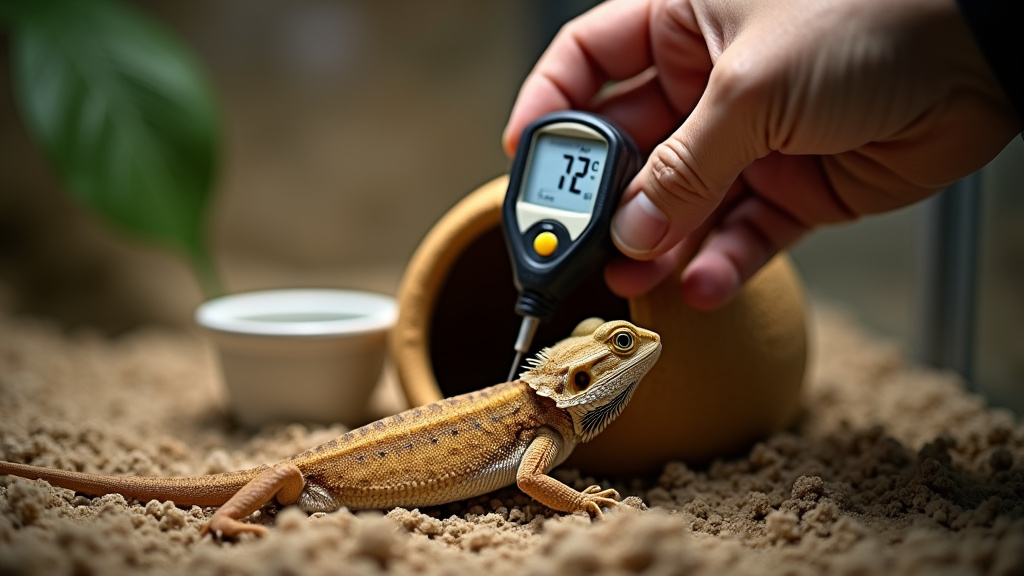
You don’t need to mimic the Australian winter. A gradual cooldown over 10-14 days works. Sudden changes shock the system.
Reduce the basking temperature first. Drop it from 105°F to about 80°F. Do this over a week. The dragon will naturally spend less time under the lamp. Next, shorten the light cycle. Cut UVB and basking lamp exposure from 12 hours to 6-8 hours. Keep a dim ambient light on during the day so the dragon retains a day/night rhythm. Complete darkness for months disrupts their circadian clock.
Leave the cool end alone. Its temperature should stay between 70-75°F. That’s the range where brumation happens comfortably. Below 65°F, you risk hypothermia. Above 80°F, the dragon might not sleep deeply enough and become stressed. A hide in the cool end is essential, a half-log or a ceramic cave gives them a secure spot.
Remove all uneaten food. Once the dragon stops basking, its digestion halts. Any insect or vegetable left in the enclosure will rot and attract mites. Clean the bowl, wipe the surfaces.
I tried leaving a single piece of zucchini in the dish during my dragon’s first brumation, thinking she might wake and snack. It molded in four days. The smell triggered her to come out, confused and disoriented. She didn’t eat it; she just got stressed.
The final step is water. Place a shallow, heavy ceramic dish in the cool end. Refresh it every week. Dragons in brumation still absorb moisture through their vent and may lap water without fully waking. Dehydration is a silent killer during dormancy.
What to Do (and Not Do) While They’re Asleep
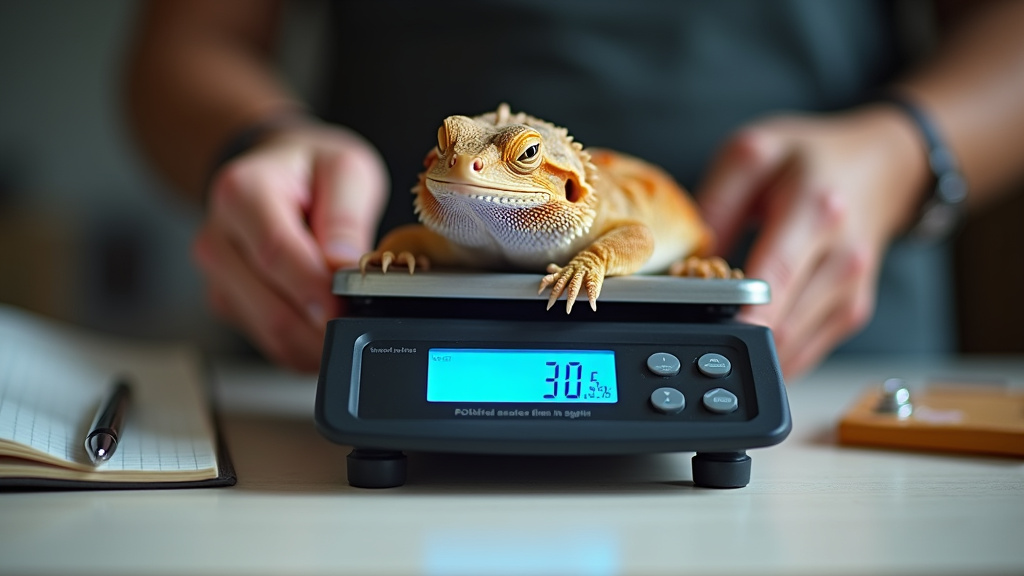
Your job now is monitoring, not intervention.
Weigh monthly. Use the same digital gram scale. A healthy brumating dragon loses less than 10% of its body weight over the entire period. If the scale shows a 15% drop, you need to warm it up and see a vet. Weight loss is the earliest sign of something wrong.
Check responsiveness weekly. Gently stroke its back or tail. A brumating dragon will usually open an eye, shift a leg, or exhale slowly. A non-responsive dragon that feels limp is in trouble. Note the response, then leave it alone.
Do not feed. This is the rule beginners break. They see the dragon awake for a moment and drop a cricket in. The dragon might even eat it. Then it goes back to sleep. The cricket sits undigested in a gut with no enzyme activity. It decomposes, causes bacterial bloom, and leads to septic impaction. If your dragon is not basking under a proper heat source for at least two hours, its digestive system is offline.
Do not bathe. Some guides suggest warm baths to stimulate digestion. That’s for active dragons. A brumating dragon submerged in water can aspirate water into its lungs because its reflexes are dulled. If you must hydrate, mist the sides of the enclosure lightly. The dragon will lick droplets.
Do not rearrange the enclosure. Stability matters. Moving hides, changing substrate, or adding new decor stresses a dormant animal. It may wake unnecessarily and expend energy.
| Action | Reason | When to Do It |
|---|---|---|
| Monthly weight check | Early detection of illness or dehydration | First of each month |
| Weekly responsiveness test | Confirm dragon is still alert enough to respond to stimuli | Every 7 days, gentle touch |
| Water refresh | Prevent bacterial growth in stagnant water, ensure hydration access | Every 7 days |
| No feeding | Avoid gut impaction from undigested food | Entire brumation period |
| No handling | Minimize stress and energy expenditure | Unless emergency weight check or vet |
TL;DR: Monitor weight and responsiveness, provide fresh water, and leave everything else alone. Interference costs the dragon energy it cannot replenish.
How to Safely End Brumation
Emergence is gradual. You’ll see more movement first, maybe a short walk to the water dish. Then it might sit near the basking spot but not under it. Finally, it will bask properly. That’s your signal to restart normal care.
Increase heat slowly. Over three days, ramp the basking temperature back to 95°F, then to 105°F. Do not jump straight to full heat. The dragon’s circulatory system needs time to adjust. Sudden high heat can cause shock.
Restore the light cycle. Return UVB and basking lamp duration to 12 hours a day. This stimulates appetite and hormone production.
Wait for basking before feeding. The dragon must bask under the full heat for at least a full day before you offer food. Its metabolism needs the heat to restart enzyme production. Offer a small, easily digestible meal first, a few pieces of squash or a single small dubia roach. Watch for digestion. If it eats and passes the meal normally in two days, you can resume regular feeding.
Common mistake: Feeding immediately upon waking, the dragon’s gut is still cold and sluggish; food will sit for days and risk rot. Wait until it has basked under full heat for 24 hours.
If your dragon doesn’t wake after four months, or if weight loss exceeds 15%, you need to intervene. Gradually increase heat and light as above, and schedule a vet check. Sometimes dragons need a gentle nudge.
The Long-Term Health Implications
Dragons that brumate annually tend to have more stable reproductive hormones if they’re breeders. For pet dragons, the annual dormancy seems to reset their internal clock, they often show brighter colors and more active behavior in the spring. Dragons that never brumate in captivity are not unhealthy; they simply lack the environmental trigger. However, forcing a dragon that shows no inclination to brumate by dropping temperatures can cause chronic stress.
The real risk is frequent, incomplete brumation, where the dragon starts to sleep, you panic and warm it up, it wakes for a week, then tries again. This cycling burns energy reserves and confuses their system. It’s better to either support a full brumation or maintain steady conditions to prevent it.
A dragon’s burrowing behavior often increases as brumation approaches; they seek secure, enclosed spaces. Providing a proper hide satisfies this instinct and reduces pre-brumation stress.
Frequently Asked Questions
Can I prevent my bearded dragon from brumating?
If you maintain consistent, optimal temperatures (basking spot 105°F, cool end 75°F) and 12-hour light cycles year-round, many dragons will not brumate. However, if your dragon shows strong seasonal instincts, you cannot prevent it without causing stress. It’s better to support a safe brumation than fight it.
How long can a bearded dragon brumate?
Brumation can last from a few weeks to four months. Most domestic episodes last 2-3 months. Durations longer than four months warrant a vet check to rule out underlying illness.
Should I wake my bearded dragon during brumation?
No. Brief, natural waking periods are normal. Forced waking by handling or bathing drains energy reserves. Only wake the dragon if weight loss exceeds 15% or if it shows no responsiveness for over a month.
What if my bearded dragon is not eating but isn’t brumating?
Loss of appetite can signal many issues, parasites, improper temperatures, stress, or illness. Check your temperatures first. Then review your dragon’s general bearded dragon behavior for other stress signs like glass surfing or hiding. If temperatures are correct and the dragon is active but not eating, a vet visit is needed.
Can young bearded dragons brumate?
Bearded dragons under 12 months rarely experience true brumation. If a juvenile shows lethargy and appetite loss, it is far more likely to be a health reason for lethargy such as parasites, malnutrition, or infection. Assume illness and consult a vet.
Before You Go
Brumation is a natural process, not a medical emergency. Your role is to set up a safe environment, monitor weight and responsiveness, and provide water. The hard part is trusting the process, not feeding, not handling, not tweaking the lights every day. A healthy dragon will sleep, wake, and return to normal activity on its own timeline. Your vigilance ensures it wakes up healthy.
If you see physical decline, sunken eyes, a skinny tail, a black beard that doesn’t fade, that’s illness, not brumation. Act immediately. Otherwise, let the dragon rest. It knows what it’s doing.