
Can Bearded Dragons Eat Centipedes? The Real Risk Guide
This post contains affiliate links. As an Amazon Associate, we earn from qualifying purchases.
Bearded dragons cannot eat centipedes. The risks from venom, parasites, and digestive impaction far outweigh any negligible nutritional value. Never intentionally feed a centipede, millipede, or any wild-caught arthropod to your pet.
The mistake happens because a centipede looks like protein. Owners see a wiggling insect and think it’s a free, natural snack. They don’t see the venom glands, the pesticide residue, or the internal damage that follows.
This guide breaks down the three specific dangers, shows you what poisoning looks like, and gives you a list of safe, high-protein replacements that won’t land you in the emergency vet.
Key Takeaways
- Centipede venom attacks the nervous system of small prey; a bite can cause swelling, paralysis, or death in a bearded dragon within hours.
- Wild centipedes carry nematode parasites and bacterial loads that captive-bred feeder insects do not. The resulting infection is slow, costly, and often fatal.
- The hard chitin exoskeleton of a centipede does not digest easily. It can cause a fatal gut impaction, especially in juvenile dragons.
- If accidental ingestion occurs, the first action is to call an exotic vet, not to wait and see. Have a vet-prescribed activated charcoal suspension ready.
- Stick to known safe feeder insects like Dubia roaches, black soldier fly larvae, and silkworms. Their nutritional profiles are documented and their risks are managed.
What Makes Centipedes So Dangerous?
Head design changes the entire process. Look at the business end of your trimmer. Centipedes are not just another bug. They are solitary, venomous predators built to subdue prey much larger than themselves. Their primary weapon is a pair of modified front legs called forcipules. These act like hypodermic needles to inject a cocktail of neurotoxins and cytotoxins.
Centipedes (class Chilopoda) are venomous arthropods that subdue prey through modified first appendages, the forcipules. Venom composition varies by species but commonly contains enzymes like phospholipase A2 and histamine, which disrupt cell membranes and cause localized tissue necrosis and neurotoxic effects in small vertebrates.
The venom evolved for insects, worms, and small vertebrates. A bearded dragon is a small vertebrate. The reaction isn’t a simple stomach ache. The toxins can cause rapid swelling at the bite site, interfere with nerve signals, and lead to respiratory distress. A larger centipede, like a Scolopendra species, carries enough venom to kill a juvenile dragon.
House centipedes (Scutigera coleoptrata) pose a different threat. Their venom is weaker, geared for cockroaches. The real danger is their mobility. A panicked centipede will bite repeatedly if grabbed by a curious dragon. Each bite introduces bacteria from the centipede’s legs and environment directly into the bloodstream.
Common mistake: Thinking a small centipede is harmless — the venom dose scales with the centipede’s size, but the bacterial load from its bite does not. An infection sets in within 24 hours, often masked by initial swelling.
TL;DR: Centipede venom is neurotoxic and cytotoxic, designed to disable prey. Even a small dose can cause severe localized reaction and systemic illness in a bearded dragon.
The Hidden Carriers: Parasites and Pesticides
Wind direction decides whether the head feeds or jams. A centipede’s origin decides whether it carries hidden passengers. Wild-caught arthropods are biological roulette. They are intermediate hosts for a range of nematodes and protozoan parasites that thrive in reptile digestive tracts.
A centipede hunted from your garden likely consumed a slug that hosted lungworm larvae. That parasite now migrates to your dragon’s respiratory system. The first symptom is a faint clicking sound when breathing, weeks later. By the time you notice labored breathing, the infestation is advanced. Treatment involves multiple rounds of fenbendazole, which stresses the liver.
Pesticide exposure is the silent killer. Centipedes are scavengers and predators. They accumulate systemic insecticides from every poisoned insect they eat. Organophosphate residues don’t kill the centipede immediately, but they will cause acute toxicity in your dragon. Symptoms are sudden and severe: tremors, loss of coordination, and death within a few hours if the dose is high.
| Contaminant | Source | Effect on Bearded Dragon | Timeline to Symptoms |
|---|---|---|---|
| Nematodes (e.g., Rhabdias spp.) | Ingested from prey | Lung infection, pneumonia | 2–4 weeks |
| Protozoa (e.g., Coccidia) | Fecal-oral contamination | Severe diarrhea, weight loss, dehydration | 1–2 weeks |
| Organophosphate Insecticides | Bioaccumulation in prey | Neurological tremors, paralysis, death | 1–4 hours |
| Heavy Metals (e.g., lead) | Soil contamination | Kidney failure, neurological damage | Months of chronic exposure |
This is why the community rule is absolute: never feed wild-caught insects. The risk calculation is broken. The cost of treating a parasitic infection or pesticide poisoning is hundreds of dollars and a high chance of losing the animal. It dwarfs the few cents saved by not buying captive-bred safe feeder insects.
TL;DR: Wild centipedes are vectors for parasites and concentrated pesticides. These cause slow, expensive illnesses or rapid, fatal poisoning.
The Digestion Problem: Chitin and Impaction
Force the line, force the cover, force the wind direction — all three break things. Force a hard-shelled centipede into a bearded dragon’s gut, and you risk a physical blockage. The centipede’s exoskeleton is made of chitin, a tough polysaccharide.
Bearded dragons produce chitinase, an enzyme to break it down. But their capacity is tuned for softer insects like crickets or worm feeders. A large centipede presents a mass of dense, complex chitin that resists digestion. It sits in the warm, moist intestine, dehydrating and hardening into a plug.
The first sign of impaction is a lack of fecal output. Your dragon will seem bloated and lethargic. It may stretch its back legs or strain without passing anything. This is a surgical emergency. Without intervention, the blockage cuts off blood flow to the intestinal tissue, causing necrosis.
Juveniles are most vulnerable. Their digestive tracts are narrower and their enzyme production is still developing. A centipede half the size of their head is a direct ticket to the operating table. Adults have more volume, but the risk remains if they are dehydrated or have underlying gut motility issues.
I tried a commercially prepared, dried centipede from a brand like ProBugs once. The dragon ate it eagerly. Two days later, he was listless and refused food. An X-ray showed a dense, fibrous mass stuck in his lower intestine. It took a week of liquid diet and daily warm baths to pass it. Never again.
That’s the part people skip. Every time. They see a dried product and assume safety. Processing doesn’t magically dissolve chitin. It just kills the venom and parasites. The physical obstruction risk stays.
TL;DR: Centipede chitin is too dense for easy digestion. It can cause life-threatening gut impaction, especially in young or dehydrated dragons.
What About Dried or Canned Centipedes?
You have two proven paths: shim the burr carrier with 0.05mm brass washers, or replace the chassis. With centipedes, you have commercial products versus wild ones. Companies like ProBugs sell dried, canned, or powdered centipedes marketed for reptile consumption.
These products mitigate the venom and parasite risks through processing. The centipedes are farmed, not wild-caught, so pesticide load is controlled. This makes them technically safer than a garden centipede. But “safer than lethal” is not the same as “safe.”
The chitin problem remains intact. The nutritional argument is also weak. Let’s compare.
| Nutrient Source | Protein Quality | Chitin Content | Calcium:Phosphorus | Risk Profile |
|---|---|---|---|---|
| Dried Centipede | Moderate, incomplete | Very High | Poor (high phosphorus) | Moderate (impaction) |
| Dubia Roach | High, complete | Low | Good (1:2) | Low |
| Black Soldier Fly Larvae | High, complete | Very Low | Excellent (1:3) | Very Low |
| Silkworm | High, complete | Low | Good | Low |
The data shows a dried centipede is a inferior feeder. Its calcium-to-phosphorus ratio is inverted, promoting metabolic bone disease if fed regularly. You would need to dust it heavily with calcium powder, which most dragons will reject because of the texture.
Why choose a problematic, expensive novelty when proven staple insects exist? The only valid reason is extreme pickiness in a rescue dragon, and even then, it’s a short-term bridge to better foods. It should never be a staple.
Common mistake: Assuming “commercially prepared” means “nutritious and safe.” It often just means “non-toxic.” The nutritional deficits and physical risks can still harm your dragon over time.
Safe Insect Alternatives You Should Feed Instead
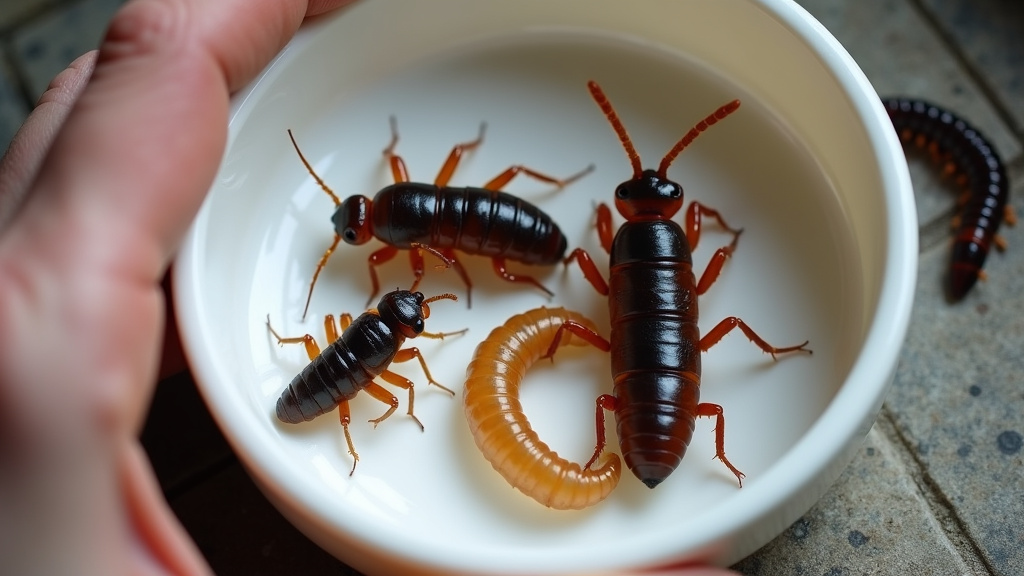
Follow the right sequence and the swap takes five minutes. Replacing a dangerous food with a safe one is straightforward. Your goal is high protein, good calcium, low chitin, and easy digestion.
Here is the ranked list of superior alternatives:
1. Dubia Roaches: The gold standard. They breed easily, have soft exoskeletons, and hold gut-loading nutrients well. Their calcium profile is decent.
2. Black Soldier Fly Larvae (Nutrigrubs): The best for calcium. They require no dusting. Their fat content is ideal for growing juveniles.
3. Silkworms: Excellent protein and moisture. They are soft, highly digestible, and often used for dragons recovering from illness.
4. Crickets (Gut-loaded): A classic, but require more management. Their chitin is higher, and they can bite. Always gut-load for 24-48 hours before feeding.
5. Discoid Roaches: A good alternative to Dubias in places where Dubias are restricted. Similar nutritional profile.
A balanced bearded dragon diet is not just about insect variety. It’s about the plant-to-protein ratio. Juveniles need 60-80% insects. Adults need 70-80% vegetables. Your comprehensive diet guide should be the blueprint.
Before you start: Feeding live insects carries a small risk of escapee bites or transmitting mites. Always feed in a separate, smooth-walled container to prevent substrate ingestion and to contain the insects. Never leave uneaten live prey in the enclosure overnight.
Rotate through at least three of these feeder insect profiles to provide a spectrum of nutrients. This variety prevents specific deficiencies and keeps your dragon engaged. Sticking to only one insect, even a good one, is a long-term mistake.
TL;DR: Dubia roaches, black soldier fly larvae, and silkworms are safer, more nutritious, and easier to digest than any centipede. Make these your core live foods.
My Dragon Just Ate One: Emergency Response Steps
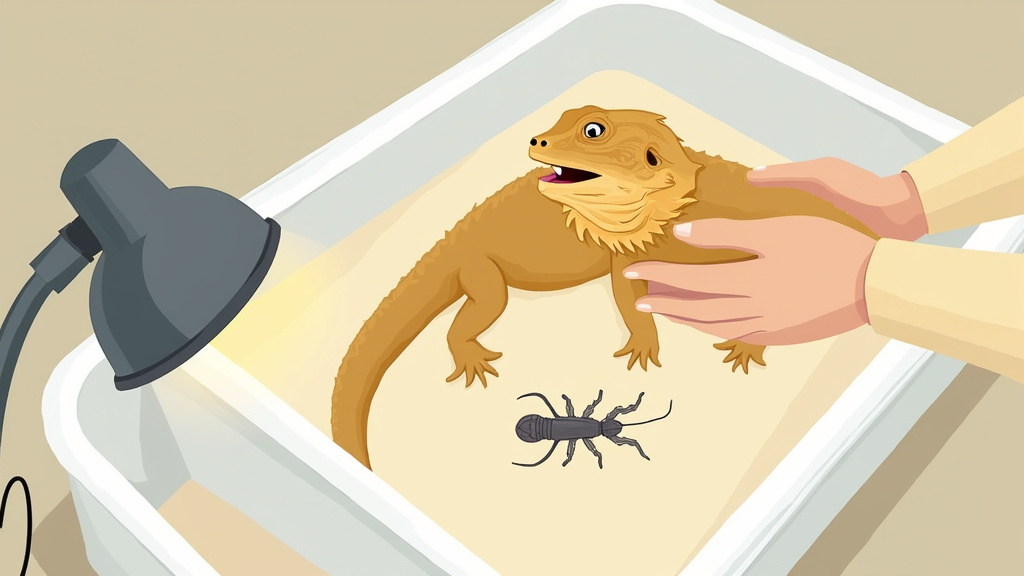
Your first dozen shots will channel and run fast. That’s fine. Panic is not a plan. If your bearded dragon just snatched a centipede from your floor or garden, follow this sequence immediately. Speed matters more than perfection.
Step 1: Do not induce vomiting. Reptiles cannot vomit safely. Attempting it can cause aspiration pneumonia. Your job is assessment and stabilization, not extraction.
Step 2: Identify the attacker if possible. Was it a small, grey house centipede or a large, reddish outdoor species? A quick photo (even a crushed one) helps your vet. Note the approximate size.
Step 3: Isolate and observe. Move your dragon to a bare, clean quarantine tub with a heat source. Watch for the critical red-flag symptoms:
– Swelling of the lips, tongue, or throat.
– Excessive pawing at the mouth or face.
– Wheezing, bubbling, or open-mouth breathing.
– Sudden loss of coordination or limpness.
Step 4: Call your exotic veterinarian or emergency clinic. Describe the situation exactly: “My bearded dragon ingested a live centipede. It was about [size/color]. Current symptoms are [list].” Have your vet’s phone number and address saved before you ever need it. This is non-negotiable prep.
Step 5: Follow vet instructions, which may include activated charcoal. Some vets will advise a dose of activated charcoal suspension to bind toxins in the gut. This is only given under direct veterinary guidance. Never administer human or dog formulations without dosage confirmation for reptiles. A real-world example of this urgency is documented in a BeardedDragon.org invertebrate feeding report, where community advice centered on immediate vet contact and charcoal.
Step 6: Monitor for 48 hours. Even if symptoms seem mild, internal damage or parasite transfer can have a delayed onset. Keep the dragon warm and hydrated. Offer water via syringe if needed, but don’t force food.
The timeline from bite to severe symptoms can be as short as 30 minutes for a potent venom. For parasites, it’s weeks. Your response in the first hour dictates the outcome.
Centipedes vs. Millipedes: Don’t Confuse the Two Threats
Bamboo wins on slippery yarns like silk because the surface friction stops dropped stitches. Steel wins on cotton. In the world of dangerous arthropods, centipedes and millipedes are different tools for different harms. Confusing them is a common and dangerous error.
Centipedes (Chilopoda) are flat, fast, and have one pair of legs per body segment. They are venomous biters. Millipedes (Diplopoda) are round, slow, and have two pairs of legs per segment. They are not biters; they are chemical sprayers.
When threatened, a millipede curls up and secretes a cocktail of benzoquinones and hydrogen cyanide from pores along its sides. This fluid is a caustic irritant. If a bearded dragon bites a millipede, this toxin gets on its mouth, tongue, and eyes. The result is chemical burning, inflammation, and temporary blindness. Ingestion leads to severe gastrointestinal ulceration.
The treatment paths are different. A centipede bite may require antivenom (rarely available) and antibiotics. Millipede toxin exposure requires flushing the affected areas with saline and managing pain and gut inflammation. Both require a vet, but the first aid differs.
This is why a blanket “no” applies to both. The risks are high and the rewards are zero. Your dragon’s natural curiosity is not a guide to safe nutrition. For a deep dive on the other half of this danger, read our guide on millipede dangers.
TL;DR: Centipedes inject venom. Millipedes secrete caustic toxins. Both can cause severe injury or death. Never allow contact with either.
Frequently Asked Questions
Can bearded dragons eat small house centipedes?
No. While the venom of a Scutigera coleoptrata (house centipede) is weak for humans, it is still an irritant neurotoxin for a small reptile. The greater risk is bacterial infection from the bite and the universal parasite threat from any wild insect. The tiny nutritional gain is irrelevant.
What are the symptoms of centipede poisoning in bearded dragons?
Look for localized swelling at the mouth or face, excessive drooling, difficulty swallowing, and lethargy. Neurological signs include loss of balance, tremors, or paralysis in the limbs. Respiratory distress, like gasping or bubbling at the nostrils, is a critical sign requiring immediate emergency care.
Are dried centipedes from pet stores safe?
They are safer than wild ones regarding venom and parasites, but they are not a good feeder. Their exoskeleton is still difficult to digest and poses an impaction risk. Their nutritional value is poor compared to staple feeders like Dubia roaches or black soldier fly larvae. They are an expensive novelty, not a diet item.
My dragon ate a centipede and seems fine. Should I still worry?
Yes. Monitor closely for 48 hours. Some venom effects are delayed, and parasite transmission shows no immediate symptoms. Contact your vet to report the incident; they may advise a fecal exam in 2-3 weeks to check for parasites. This is also a warning sign to wild prey risks in your dragon’s environment.
What should I feed instead for protein variety?
For variety within a safe framework, rotate through Dubia roaches, silkworms, hornworms (as a treat), and black soldier fly larvae. Each offers a different balance of protein, fat, and calcium. This approach provides all the optimal proteins without the dangers of wild-caught or exotic feeders.
Can they eat other wild bugs like frogs or slugs?
Absolutely not. Wild frogs and slugs carry even higher parasite loads and often secrete skin toxins. They are among the most dangerous things your dragon could encounter. The rule is simple: if you didn’t buy it from a reputable feeder insect supplier, it does not go in the tank.
The Bottom Line
Centipedes are off the menu. Permanently. The combination of venom, parasites, pesticides, and indigestible chitin creates a risk profile with no acceptable reward.
Your job is to manage the environment to prevent accidental ingestion and to provide a diet so good that dangerous curiosities never become appealing. That diet is built on captive-bred staple insects and fresh, leafy greens. It’s boring, predictable, and exactly what keeps a bearded dragon healthy for 10-15 years.
When you see that multi-legged creature scuttling across the floor, see it for what it is: a vector of harm. Remove it from the environment. Then, go drop a few dubia roaches in your dragon’s feeding dish. That’s the trade. It’s not complicated. It just requires accepting that nature, indoors, is a controlled simulation. Your dragon’s life depends on that control.