
Can Bearded Dragons Eat Sage? Vet Facts & Feeding Guide
This post contains affiliate links. As an Amazon Associate, we earn from qualifying purchases.
Bearded dragons can eat sage. It’s a safe herb that offers a stellar calcium-to-phosphorus ratio above 18:1, making it a beneficial occasional treat. Feed 2-3 fresh leaves, finely chopped and mixed into a salad, no more than once every two weeks.
Most owners get this wrong in two ways. They either avoid all herbs fearing toxicity, missing out on a great calcium source, or they overfeed because it’s “healthy” and trigger diarrhea within 48 hours.
This guide covers the exact nutritional breakdown, the right serving size and frequency, how to prepare it, and what happens when you ignore the rules. You’ll also learn which herbs are genuinely dangerous and how sage fits into a balanced diet for juveniles and adults.
Key Takeaways
- Sage is non-toxic and boasts a calcium-to-phosphorus ratio exceeding 18:1, which helps prevent metabolic bone disease.
- Feed only fresh sage, never dried. Dried herbs are concentrated and acidic, causing stomach upset faster.
- Limit sage to 2-3 leaves, finely chopped and mixed into a larger salad, once every two weeks. More frequent feeding leads to diarrhea.
- Herbs like bay leaf, garlic, onion, and lavender are toxic. Sage is safe, but it’s not a staple green.
- Always consult a reptile-savvy veterinarian for personalized dietary advice, especially for dragons with pre-existing health issues.
Sage Nutrition: What’s Actually in Those Leaves?
You need to look beyond the label “herb.” Sage (Salvia officinalis) contains specific compounds that matter for reptile digestion.
The standout is its calcium content relative to phosphorus. According to nutritional data analyzed by Hepper Pet Resources, sage has a calcium-to-phosphorus ratio above 18:1. For bearded dragons, the ideal dietary ratio is around 2:1. Phosphorus binds to calcium in the gut, making it unavailable. A food with extremely high calcium and low phosphorus, like sage, provides “free” calcium that doesn’t get locked up. This is why it’s a useful supplement, not a daily food.
It also delivers vitamins B6 and K, magnesium, and iron. The anti-inflammatory properties and antioxidants present in sage are benefits for a reptile’s immune system, though the primary value is the mineral profile.
Fresh sage leaves contain calcium at approximately 165mg per 100g and phosphorus at under 10mg per 100g, yielding a Ca:P ratio exceeding 18:1. This makes it a functional calcium supplement when used sparingly within a varied diet.
Compare that to a staple green like collard greens, which has a ratio of about 14.5:1. Sage wins on paper. But paper doesn’t account for essential oils.
Those oils, which give sage its strong aroma, are the reason for the “occasional” label. They can irritate the digestive tract if offered too frequently or in large amounts. A dragon’s gut flora isn’t built for a constant stream of potent plant compounds.
TL;DR: Sage’s super-high calcium ratio is its main benefit, but the essential oils limit how often you can use it.
The Calcium-to-Phosphorus Ratio: Why Sage Wins
This ratio isn’t just a number. It dictates whether your dragon’s bones stay solid or slowly crumble.
Metabolic bone disease (MBD) is the result of chronic calcium deficiency. It’s caused by a diet where phosphorus consistently outcompetes calcium for absorption. Foods with a ratio below 2:1 are problematic if they form the bulk of the diet. Foods with a ratio above 2:1 are helpful.
Sage’s ratio is so high it acts as a calcium booster. When you mix a few leaves into a salad that might contain lower-ratio items (like bell pepper, with a ratio of about 0.5:1), the sage helps balance the overall meal.
But you can’t rely on it alone. Here’s how different common foods stack up:
| Food Item | Calcium (mg/100g) | Phosphorus (mg/100g) | Ca:P Ratio | Role in Diet |
|---|---|---|---|---|
| Sage | ~165 | <10 | >18:1 | Occasional calcium boost |
| Collard Greens | ~210 | ~15 | ~14:1 | Staple green |
| Turnip Greens | ~190 | ~40 | ~4.75:1 | Staple green |
| Bell Pepper | ~10 | ~20 | ~0.5:1 | Occasional vegetable |
| Kale | ~150 | ~38 | ~3.95:1 | Staple green (moderate oxalates) |
A salad of collard greens, a few sage leaves, and a bit of bell pepper will have a much healthier overall ratio than a salad of just bell pepper and kale. That’s the strategic use of sage.
Common mistake: Feeding sage daily to “fix” a low-calcium diet — the essential oils overwhelm the gut, causing diarrhea within two days, and the dragon stops eating its staple greens.
The ratio is a tool, not a cure. If your dragon’s diet is fundamentally poor, adding sage won’t rescue it. You need to overhaul the staple greens first, using reliable options like turnip greens and collard greens.
How to Serve Sage Safely (The 4-Step Rule)
This isn’t about handing over a leaf. It’s about preparation that prevents selective eating and digestive shock.
Step 1: Source fresh, never dried.
Dried sage is condensed. The essential oils and acids are concentrated, and the texture is harsh. I tried dried sage once with a mature dragon, thinking a tiny pinch would be fine. The next day his stool was loose and he skipped his crickets. Fresh herbs have the water content that buffers those compounds. Buy organic if you can, to minimize pesticide risk.
Step 2: Wash and chop.
Run the leaves under cold water, rubbing them gently. Pat dry. Then chop them into pieces smaller than the space between your dragon’s eyes. Fine chopping ensures it mixes with other greens and can’t be picked out easily. It also avoids any choking hazard, which is real with larger leaf fragments.
Step 3: Mix into a base salad.
Don’t offer sage alone. Take 2-3 chopped leaves and toss them into a bowl of staple greens. I use a base of collard greens and maybe a little shredded squash. The ratio here: about 90% base greens, 10% sage. This dilutes the sage and encourages the dragon to eat a balanced plate.
Step 4: Observe for 24 hours.
After the meal, watch for changes in behavior and stool. Normal stool is firm, dark, and defined. Sage-induced upset produces lighter, watery, or poorly formed stool. Appetite might drop. If you see these signs, skip sage for at least a month before retrying with just one leaf.
Frequency is the lock. Once every two weeks is the safe ceiling. I mark a calendar because it’s easy to forget and overdo it.
TL;DR: Wash fresh leaves, chop fine, mix into a larger salad, and watch the stool. Do this no more than twice a month.
The Age Factor: Juveniles vs. Adults
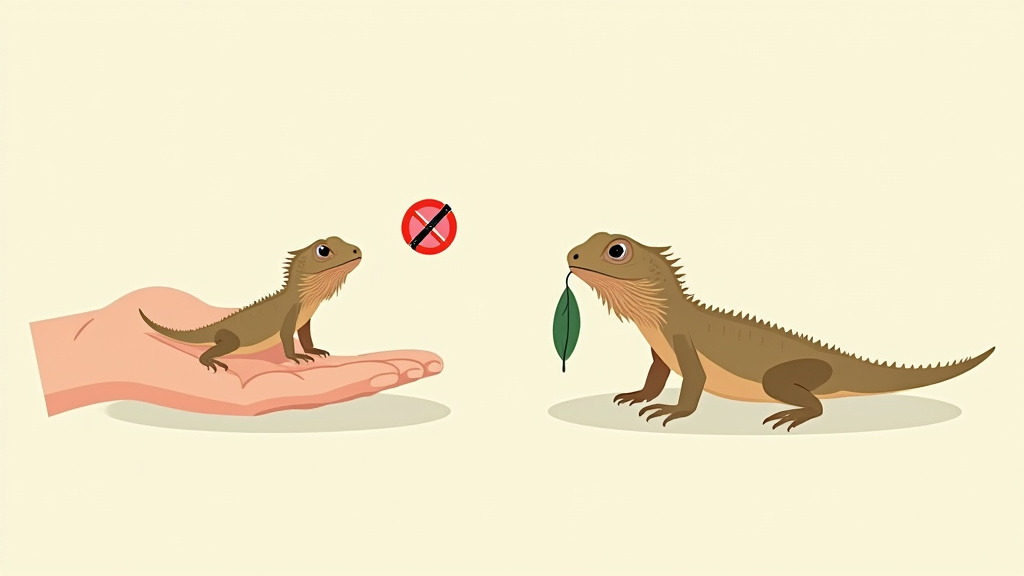
Baby dragons and juveniles under 12 months are built differently. Their diet should be about 70-80% live insects (like dubia roaches or crickets) and 20-30% greens. Their digestive systems are primed for protein and rapid growth.
Introducing strong herbs like sage to a juvenile is risky. Their guts are more sensitive. The essential oils can cause upset more easily. I don’t offer sage to dragons under one year old at all. There’s no nutritional need for it—their calcium should come from properly dusted insects and gentle staple greens.
Adults over 18 months, with a diet shift to 70-80% greens, can handle the occasional sage treat. Their digestive tract is more robust and varied. The calcium boost is more relevant because their insect intake is lower.
If you have a juvenile and want to provide herbal variety, use milder options. Cilantro as a herb or parsley for bearded dragons are gentler and can be introduced in tiny amounts after 6 months, with close observation.
For juveniles, skip sage entirely. Their calcium needs are met through insect dusting, and their digestive systems lack the maturity to process sage’s essential oils without risk of diarrhea and appetite suppression.
This is a concrete rule. It comes from watching two juvenile dragons develop loose stool after being offered sage by a well-meaning owner who thought “herbs are healthy.”
Common Mistakes and How to Avoid Them
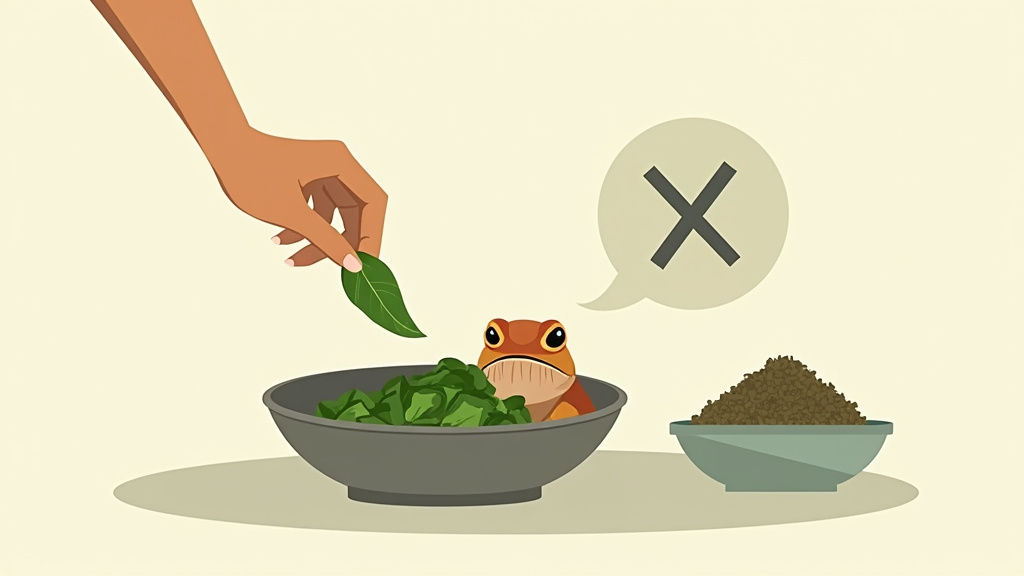
Mistakes with sage aren’t subtle. They produce visible consequences within a short timeline.
Overfeeding.
This is the top error. Because sage has a great calcium ratio, owners think it’s a superfood and add it every salad. The result isn’t stronger bones—it’s digestive shutdown. Too much sage leads to diarrhea within 48 hours. The dragon becomes lethargic, stops eating insects, and the gut flora gets disrupted. Recovery takes a week of bland greens (collard, dandelion greens) and no herbs.
Using dried sage.
Dried herbs are shelf-stable and convenient. For dragons, they’re a problem. The concentration of compounds hits the stomach harder. As mentioned, my single experiment with dried sage caused clear upset. The rule is absolute: only fresh.
Feeding sage alone.
A dragon will often pick out the sage if it’s not mixed in, eating only that and ignoring the staple greens. This skews the diet and misses the point. Chopping and mixing is mandatory.
Ignoring toxic herbs.
While sage is safe, other common kitchen herbs are dangerous. Bay leaf, garlic, onion, chives, and lavender’s potential risks are serious. Lavender contains compounds that can cause neurological symptoms in reptiles. Never assume all herbs from the garden are okay.
Common mistake: Substituting sage for calcium powder dusting on insects — sage is a dietary calcium source, but insect dusting delivers direct, bioavailable calcium carbonate. Skipping dusting because you feed sage once a month will still lead to calcium deficiency over time.
The supplement schedule doesn’t change. Dust insects with calcium carbonate powder 4-5 times a week for juveniles, 2-3 times a week for adults, regardless of whether you gave sage this month.
Safe Herb Alternatives and Toxic Plants to Know
Sage sits in a middle category: safe but occasional. Other herbs have different classifications.
Weekly-safe herbs (can be offered once a week):
- Culinary herbs like thyme
- Safe herbs like basil
- Parsley’s nutritional content (in moderation, as it has moderate oxalates)
Occasional herbs (every two weeks or less):
- Sage (as detailed)
- Dill for bearded dragons (similar essential oil caution)
- Cilantro’s benefits (milder, but still not a staple)
Toxic or unsafe herbs (never feed):
- Bay leaf
- Garlic, onion, chives
- Lavender toxicity
- Dill in large quantities (due to oil concentration)
Staple greens (daily basis):
- Staple greens like turnip greens
- Collard greens
- Kale as a staple (rotate due to oxalates)
- Dandelion greens
This list helps you build a varied salad without crossing into danger zones. A typical safe salad might include collard greens as the base, a few sprigs of thyme for bearded dragons, and once a fortnight, a couple of sage leaves chopped in.
I won’t recommend mixing multiple strong occasional herbs in one meal. Giving sage and dill together doubles the essential oil load and guarantees stomach upset. Spread them out across different weeks.
Herbs are seasoning, not the main course. Their purpose is to add nutritional nuance and encourage appetite through variety, not to supply core nutrients.
Frequently Asked Questions
Can bearded dragons eat dried sage?
No. Dried sage is concentrated and more acidic. It will cause digestive upset, including diarrhea and appetite loss, much faster than fresh sage. Always use fresh leaves.
How much sage can I give at one time?
serving is 2-3 fresh leaves for an adult dragon. Chop them finely and mix into a larger salad of staple greens. Never offer a whole sprig or a pile of sage alone.
What happens if my bearded dragon eats too much sage?
The primary sign is diarrhea within 24-48 hours. The stool becomes loose, lighter in color, and may have a watery consistency. Your dragon might also become lethargic and refuse its regular insects. Stop all herbs, offer only bland staple greens like collard greens for a week, and ensure hydration.
Can baby bearded dragons eat sage?
It’s not recommended. Juveniles under one year have sensitive digestive systems and higher protein needs. Their calcium should come from dusted insects and mild staple greens. Introduce sage only after they reach adult size and their diet has shifted to mostly greens.
Are there any herbs that are toxic to bearded dragons?
Yes. Avoid bay leaf, garlic, onion, chives, and lavender. These contain compounds that can cause digestive distress, neurological issues, or toxicity. Always verify an herb’s safety before offering it.
Before You Go
Sage is a useful tool in a bearded dragon’s diet, not a staple. Its extraordinary calcium-to-phosphorus ratio makes it a valuable occasional treat for adults, but the essential oils demand strict limits: fresh leaves only, 2-3 pieces every two weeks, finely chopped and mixed.
Juveniles should skip it entirely. Their systems aren’t ready.
Never let sage replace proper insect dusting or a foundation of staple greens like turnip greens nutrition and collard greens. And always wash, chop, and mix—the preparation prevents most problems.
If your dragon shows any sign of digestive upset after eating sage, remove all herbs from the menu for a month and consult your reptile veterinarian. What works for one dragon might not for another, and a professional eye on their overall diet is the best safety net.