Do Bearded Dragons Hibernate? The Truth About Brumation
This post contains affiliate links. As an Amazon Associate, we earn from qualifying purchases.
Bearded dragons do not hibernate in the true mammalian sense. They undergo a reptilian dormancy called brumation, a state of slowed metabolism and reduced activity triggered by cooler temperatures and shorter days. This process can last 1-4 months and is a natural, healthy behavior for mature, well-conditioned dragons.
The single biggest mistake owners make is confusing brumation with illness. Lethargy and appetite loss look identical whether your dragon is entering a natural cycle or fighting a parasite load. Assuming it’s brumation without a vet check is how otherwise treatable problems become emergencies.
This guide walks through the physical signs, the mandatory pre-brumation vet visit, the step-by-step care protocol, and what to do when your dragon wakes up. You’ll learn how to support this natural process without risking your pet’s health.
Key Takeaways
- Brumation is not optional hibernation—it’s a hardwired physiological response in adult bearded dragons, and preventing it in a healthy animal that wants to brumate can cause long-term stress.
- A veterinary exam and fecal parasite test are non-negotiable before any brumation period begins. Symptoms of illness perfectly mimic brumation signs.
- Only dragons over 12 months old and in excellent body condition should brumate. Juveniles lack the fat reserves and can fail to thrive.
- Weekly weight monitoring is your lifeline. A loss of more than 10% of initial body weight means you must end brumation and seek veterinary care immediately.
- Post-brumation, expect a surge in hormones, especially in males. This means increased activity, glass surfing, head bobbing, and a possible lack of interest in food for another week or two.
What Is Brumation, Really?
Brumation is a survival strategy. In the arid scrublands of Australia, winter brings cooler temperatures and a drastic reduction in food sources like insects and vegetation. A Pogona vitticeps’s metabolism slows, its activity drops to near-zero, and it retreats to a burrow or rock crevice. This conserves energy until warmer, more abundant seasons return.
In captivity, the triggers are environmental cues—primarily photoperiod and temperature. Even in a climate-controlled room, the gradual shortening of daylight hours through your windows can signal the internal clock. The dragon’s body isn’t just sleeping. Its heart rate slows, digestion halts, and immune function reduces.
This period of dormancy in reptiles is termed brumation. It is distinct from mammalian hibernation in that reptiles may intermittently awaken to drink water, but they will not eat. This state is driven by environmental temperatures and photoperiod. – VCA Animal Hospitals
Skipping brumation for a dragon that is physiologically primed for it isn’t kindness. It forces the animal to fight its own hormones and instincts. I’ve seen dragons that skip brumation for two consecutive years develop chronic stress behaviors like constant glass surfing and a weakened immune response. They seem perpetually out of sync.
TL;DR: Brumation is a natural, metabolically expensive dormancy for adult bearded dragons, triggered by light and temperature. It’s not a sickness, but it requires specific preparation to be safe.
Signs of Brumation vs. Signs of Illness
This is the decision point that keeps reptile vets in business. The behavioral overlap is nearly perfect. You must become a detective, looking for subtle clues that point toward a natural cycle or a health crisis.
A dragon entering brumation will show a gradual shift over weeks. Appetite fades first. They might take a few bites of greens one day, then ignore food for three. Basking time shortens. You’ll find them sleeping in their hide, or often seeking out the coolest corner of the enclosure. When they are awake, their movement is slow and deliberate, not weak. Crucially, a brumating dragon does not look “sick.” Their eyes remain clear, their body posture is normal (not flattened), and they maintain good weight.
| Symptom | In Brumation | In Illness |
|---|---|---|
| Appetite Loss | Gradual, over weeks. No interest, but no distress. | Sudden or complete. May show interest but not eat, or gag. |
| Lethargy | Sleeps 20+ hours, moves slowly when awake. | Flattened body posture, unable to lift head, weakness in limbs. |
| Basking | Reduces frequency and duration, seeks cooler zones. | May avoid heat entirely or cling to the basking spot unable to thermoregulate. |
| Weight | Stable for first month, then very slow loss. | Rapid or dramatic loss, sunken fat pads, visible spine/hip bones. |
| Eyes & Posture | Eyes clear, body held normally off ground. | Eyes sunken or closed, body flattened against floor. |
Common mistake: Seeing a dragon sleep all day and assuming it’s brumation — a high parasite load causes identical lethargy. Without a vet test, you’re guessing with your pet’s life.
Illness is usually more acute. A dragon with a respiratory infection might have a gaping mouth, mucus, or wheezing. One with impaction will have a firm, swollen abdomen and will not pass stool. Parasites cause weight loss despite a ravenous or absent appetite. The dragon looks unwell. You can see it in their eyes.
The only way to know for sure is to eliminate illness as a cause. That requires a veterinarian.
The Non-Negotiable Pre-Brumation Vet Visit
Do not skip this. Schedule a wellness exam with a veterinarian who has proven experience with reptiles. The standard appointment for a potential brumation candidate includes two critical actions: a physical exam and a fecal floatation test.
The physical exam checks body condition, hydration, mouth and eye health, and listens to the lungs. The vet palpates the abdomen for any masses or blockages. The fecal test is the star. It identifies parasite eggs (like coccidia or pinworms) that are invisible to the naked eye. A dragon entering brumation with a moderate parasite burden will not have the immune resources to manage it. The parasites can multiply unchecked in the slowed gut, leading to severe weight loss and potentially death.
I learned this the expensive way. My first adult dragon, a male named Rusty, slowed down in November. He looked fine, just sleepy. I assumed brumation. By January, he’d lost 15% of his weight and was listless. The emergency vet found a massive coccidia bloom. The treatment and recovery took three months and left him with permanent gut sensitivity. That single vet visit I skipped cost ten times more in the long run.
The vet gives you the green light only if your dragon is:
– At least 12 months old.
– In good body condition (fat pads on the head are full, tail is robust).
– Free of clinical parasites.
– Has no history of recent illness.
This visit is your permission slip. Without it, you are managing a sick dragon, not facilitating brumation.
TL;DR: A vet exam and fecal test rule out illness. This is the foundation of safe brumation management and is not optional.
The Step-by-Step Brumation Care Protocol
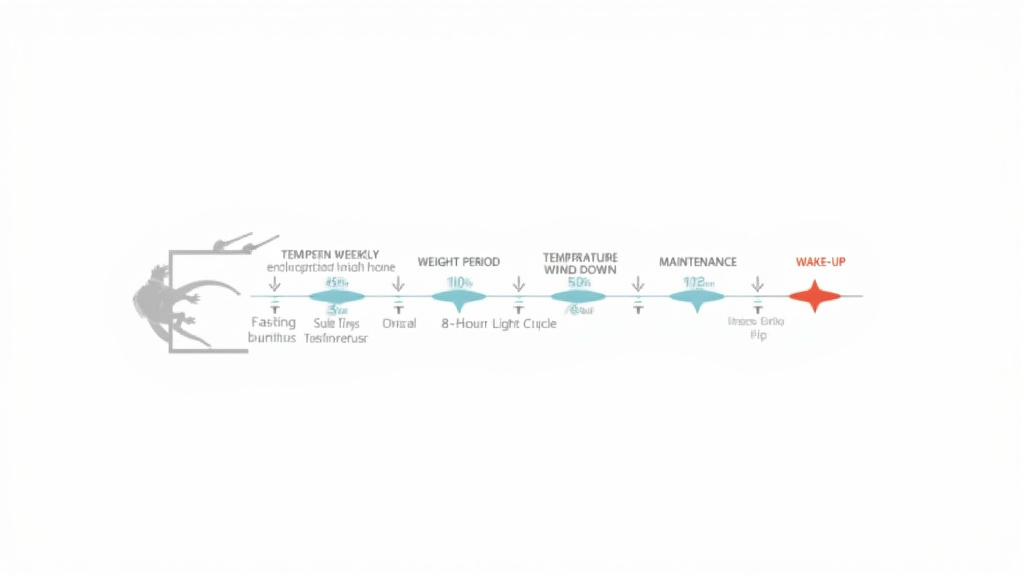
Once you have veterinary clearance, you move from observation to active management. This protocol is about controlled reduction, not sudden change. Rushing stresses the system.
Step 1: The Fasting Period (10-14 days before temperature drop)
Stop offering all food, especially insects. Continue offering fresh greens and water. The goal is an empty digestive tract. Food left in the gut during brumation will rot, causing bacterial overgrowth and probable fatal impaction. Offer a warm (85-90°F) shallow bath every other day during this period to stimulate bowel movements. You’ll know the gut is clear when the baths produce only urates (white chalky paste) and no solid feces.
Step 2: Gradual Environmental Wind-Down (Over 2-3 weeks)
Mimic the slow slide into winter. Do not just flip the lights off one day.
– Reduce daily light exposure by 30-60 minutes each week until you reach an 8-hour day.
– Lower the basking spot temperature by about 5 degrees Fahrenheit each week. Start from your normal summer range (105-110°F) down to a target of 75-80°F.
– Ensure the cool side of the enclosure drops proportionally. You are aiming for a final gradient of 60-72°F (day) and 55-60°F (night).
Step 3: Maintaining Brumation Conditions
Once your dragon is fully dormant (sleeping constantly, not moving to bask), you maintain the reduced setup.
– Keep lights on the 8-hour cycle. Complete darkness for months is unnatural and disorienting.
– Provide a shallow dish of fresh water daily. They may wake, take a drink, and go back to sleep.
– Weigh your dragon every 7 days. Use a digital kitchen scale. Record the weight. This is your only objective health metric.
– Do not handle them except for essential weighing. Disturbance burns precious energy reserves.
– Spot clean any waste immediately, though bowel movements will be rare.
Step 4: Ending Brumation (The Gradual Wake-Up)
Brumation ends when the dragon becomes more active on its own, often as days naturally lengthen. Do not force it. When you see consistent activity, begin the reverse process.
– Over 5-7 days, increase light duration back to 12-14 hours.
– Raise the basking temperature back to normal summer levels.
– Offer water first. Then, after a couple of days, offer a small, simple meal like finely chopped collard greens.
– Appetite may take 1-2 weeks to return fully. Do not panic and do not offer large insect meals immediately.
I won’t use a complete blackout for brumation. An 8-hour dim photoperiod with a low-wattage bulb seems to let them orient to day/night cycles better. Dragons that wake up in pitch darkness after 60 days often seem disoriented and take longer to resume normal behavior.
Post-Brumation: What Nobody Tells You
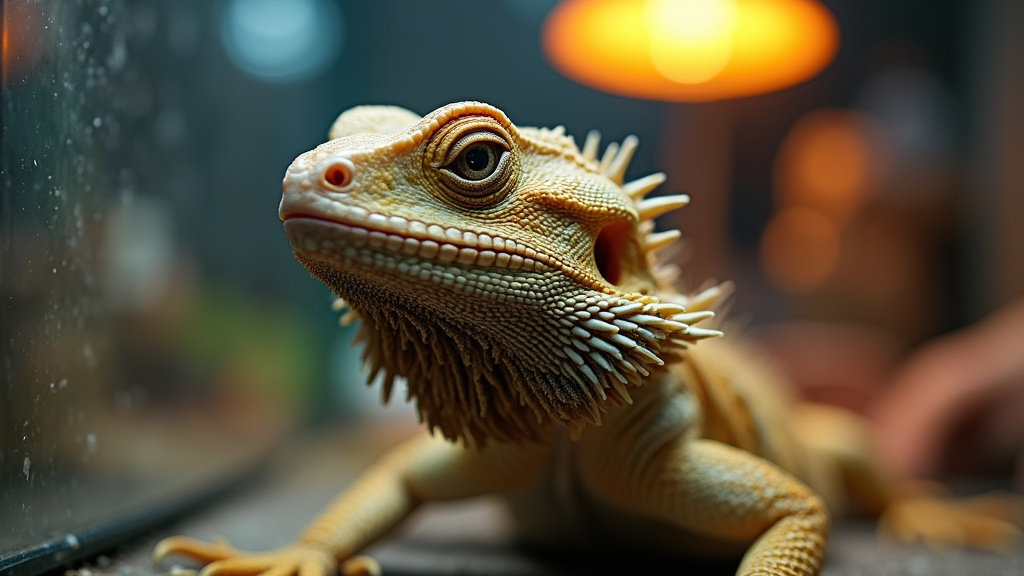
The dragon is awake. It’s moving. The hard part is over, right? Not quite. The post-brumation period has its own challenges, driven by a surge of reproductive hormones.
Males, in particular, become obsessed with territory and mating. You will see relentless head bobbing, black bearding, and frantic glass surfing. They may ignore food for another week or two because their single-minded focus is on finding a mate. This is normal, but it’s exhausting to watch. Do not mistake this continued appetite loss for a problem. It’s biology.
Females may become gravid (egg-bearing) even without a mate, requiring a lay box and extra calcium. This is the time to ensure your lighting setup is flawless, providing optimal UVB for calcium metabolism. Double-check your basking spot temperature is hitting that 105-110°F range to support digestion and immune function.
Their immune system is also ramping back up. This is a vulnerable window. Maintain impeccable enclosure hygiene. Quarantine any new cage mates or items. The stress of brumation followed by hormonal frenzy can lower resistance.
TL;DR: Post-brumation is hormonally chaotic. Expect abnormal behaviors like glass surfing and temporary food refusal, especially in males. Perfect your habitat setup to support their recovery.
Special Cases: When Brumation Doesn’t Happen
Not every dragon brumates. Some captives, especially those kept in consistently warm, brightly lit environments, may never show signs. This is not a failure on your part or a sign of poor health. If your adult dragon remains active and hungry all winter, simply maintain your excellent year-round care practices.
Conversely, some dragons may attempt to brumate at “wrong” times of year, like in the middle of summer. This is often due to local environmental cues—a room that gets unusually cold at night, a significant drop in barometric pressure from a storm system, or even a temporary reduction in household activity. If your dragon shows brumation signs out of season, the first step is always the vet check. If they are healthy, you can gently discourage the cycle by ensuring consistent, warm enclosure temperatures and a full 12-14 hour light schedule.
Forcing a dragon that wants to brumate to stay awake is stressful. Allowing a dragon that is ill or underweight to brumate is dangerous. Your role is to read the individual animal and the veterinary facts, not to enforce a calendar.
Frequently Asked Questions
How long does bearded dragon brumation last?
In captivity, brumation typically lasts 1 to 4 months. The duration varies by individual, age, and environmental conditions. Some dragons may have a very short period of just a few weeks, while others sleep deeply for the full winter. Let the dragon decide when to wake up; do not try to shorten the cycle artificially.
Can a baby bearded dragon brumate?
No. Bearded dragons under 10-12 months old should not brumate. They are growing rapidly and lack the substantial fat reserves needed to sustain a dormant metabolism. If a juvenile becomes lethargic and stops eating, it is a medical emergency, not brumation. Consult a reptile veterinarian immediately.
Do bearded dragons need to brumate?
For wild-caught and many captive-bred adults, brumation is a natural, healthy part of their annual cycle. It is believed to support reproductive health and overall longevity. However, some captive dragons never brumate and live full, healthy lives. The key is not to force it either way. Support the dragon’s natural inclination after confirming it is healthy.
How often should I check on my brumating bearded dragon?
Minimize disturbance. A quick visual check daily to ensure they are breathing and haven’t soiled themselves is sufficient. The only handling should be for the essential weekly weighing. Excessive checking causes stress and burns their limited energy.
What if my bearded dragon loses too much weight during brumation?
Weigh your dragon weekly. If it loses more than 10% of its initial pre-brumation weight, you must end the brumation cycle. Gradually warm the enclosure back to normal summer temperatures over 2-3 days and schedule a veterinary appointment. Significant weight loss indicates an underlying health issue that dormancy is exacerbating.
Is it okay to skip brumation?
If your dragon shows no signs of wanting to brumate, you do not need to induce it. Simply maintain normal care. However, if your dragon clearly enters the brumation process—showing all the classic signs of lethargy—and you actively prevent it by keeping heat and light high, you may cause significant stress. It is generally safer to support a natural cycle that has begun, provided the dragon is medically cleared.
The Bottom Line
Brumation is a profound, natural process, not a problem to be solved. Your job is not to cause it or stop it, but to steward it safely. That stewardship has one non-negotiable starting point: a veterinary exam to rule out sickness. From there, it’s a practice of gradual change, vigilant monitoring, and patience.
Support the dragon’s biology, don’t fight it. Prepare the gut, wind down the environment, watch the scale, and be ready for the hormonal whirlwind when they wake. Done correctly, brumation is a sign of a healthy, in-tune animal. It’s a fascinating part of sharing your life with a creature whose instincts are millennia deep. Respect the cycle, and your dragon will thrive because of it.