
Can Bearded Dragons Eat Lavender? The Vet-Approved Answer
This post contains affiliate links. As an Amazon Associate, we earn from qualifying purchases.
A bearded dragon can eat 1-3 organic lavender flower florets as a rare treat, no more than once a month. The flowers provide trace vitamins and minerals, but the essential oil is toxic and overfeeding causes digestive distress. Never feed stems, leaves, or lavender from non-organic sources.
The confusion starts with a simple Google search. You’ll find articles that say “yes, lavender is safe” sitting right next to videos declaring it’s outright toxic. This contradiction isn’t just bad SEO, it’s dangerous for your pet. The truth is buried in the details: which part of the plant, how it’s grown, and the minute quantity that separates a vitamin boost from a vet visit.
This guide cuts through the noise. We’ll break down the specific risks of lavender essential oil versus the flower, give you exact serving sizes, and show you how to prepare it safely. You’ll also learn which common garden flowers are unequivocally safer bets.
Key Takeaways
- Lavender flowers (florets) are the only potentially safe part; stems and leaves may contain higher concentrations of irritating compounds and should be avoided.
- The essential oil is highly toxic and can cause respiratory and neurological issues; never use oil diffusers, sprays, or substrates near your dragon’s enclosure.
- Serve 1-3 florets, once a month maximum, as a salad topper. This mirrors the cautious feeding frequency for herbs such as thyme.
- Source matters absolutely. Only use lavender grown from organic seed or purchased from a supplier that guarantees no chemical treatments. Pesticide residue is a leading cause of reptile poisoning.
- Watch for allergic reactions: diarrhea, lethargy, or lack of appetite within 48 hours means your dragon cannot tolerate lavender. Discontinue use immediately.
The Short, Safe Answer on Lavender Flowers
Lavender flowers sit in a gray zone between “safe treat” and “avoid.” They are not a staple food. The primary value is sensory enrichment and a minuscule nutrient bump, not dietary nutrition.
A 2023 review of common reptile-safe plants by the EnviroLiteracy project notes that lavender flowers pose a low toxicity risk to reptiles like bearded dragons when offered infrequently and in minute quantities, but cautions that the plant’s volatile oils can be irritants. This aligns with the EnviroLiteracy reptile plant safety guide, which stresses species-specific research.
The florets contain Vitamin A, which supports eye health and immune function, and small amounts of calcium and iron. They also have luteolin, a flavonoid with noted anti-inflammatory properties in mammalian studies. The amount in a single floret is negligible for a dragon, but it’s there.
TL;DR: Think of a lavender floret as a rare, fragrant confetti for your dragon’s salad, not a food group.
Why Lavender Causes So Much Confusion
If you dig into the “lavender is toxic” claims, you’ll usually find they stem from two sources. First, the well-documented toxicity of lavender essential oil. Second, the blanket categorization of all “non-food” plants as unsafe, which is a prudent but overly broad safety rule.
The essential oil is a concentrated extract containing compounds like linalool and linalyl acetate. In a reptile’s sensitive respiratory system and slower metabolism, these can act as neurotoxins. Diffusing oils in the same room as your dragon’s tank is a genuine risk. It has nothing to do with eating a flower.
The other source of confusion is the plant itself. Some sources, like the ASPCA, list lavender as toxic to cats and dogs. Reptile physiology is different. A compound that causes a problem in a mammal’s liver might pass through a reptile’s gut with no issue. This is why you must use resources written for reptiles, not general pet sites.
Common mistake: Assuming a plant safe for humans or other pets is safe for bearded dragons, the metabolic pathways differ, and a tiny amount of oxalate or saponin that we process easily can accumulate to toxic levels in a reptile over weeks.
Lavender vs. Other Safe Flowers: A Quick Comparison
Is lavender the best flower to offer? Not really. Its safety margin is thinner than other, more recommended blooms. This table shows why most owners choose alternatives.
| Flower | Safety Profile | Best For | Risk If Overfed |
|---|---|---|---|
| Hibiscus | High. Flowers and leaves are widely accepted as safe staples. | Regular dietary rotation. Rich in Vitamin C. | Minimal. Can be fed 2-3 times a week. |
| Dandelion | Very High. Both greens and flowers are nutritious staples. | Daily greens and weekly flower treats. Excellent calcium source. | Very low. A cornerstone of a healthy diet. |
| Nasturtium | High. Entire plant is edible and peppery. | Encouraging appetite. Natural antibiotic properties. | Minimal. |
| Lavender | Low-Moderate. Only organic florets in strict moderation. | Rare sensory enrichment only. | High. Digestive upset, potential allergic reaction, pesticide risk. |
| Rose | Moderate. Only organic, pesticide-free petals. | Occasional treat. | Moderate. Watch for stomach upset. |
The choice is clear. If you want to give flowers, dandelion greens and flowers or hibiscus are superior in every way: safer, more nutritious, and more palatable. Lavender is a curiosity, not a recommendation.
The Non-Negotiable Rules for Feeding Lavender
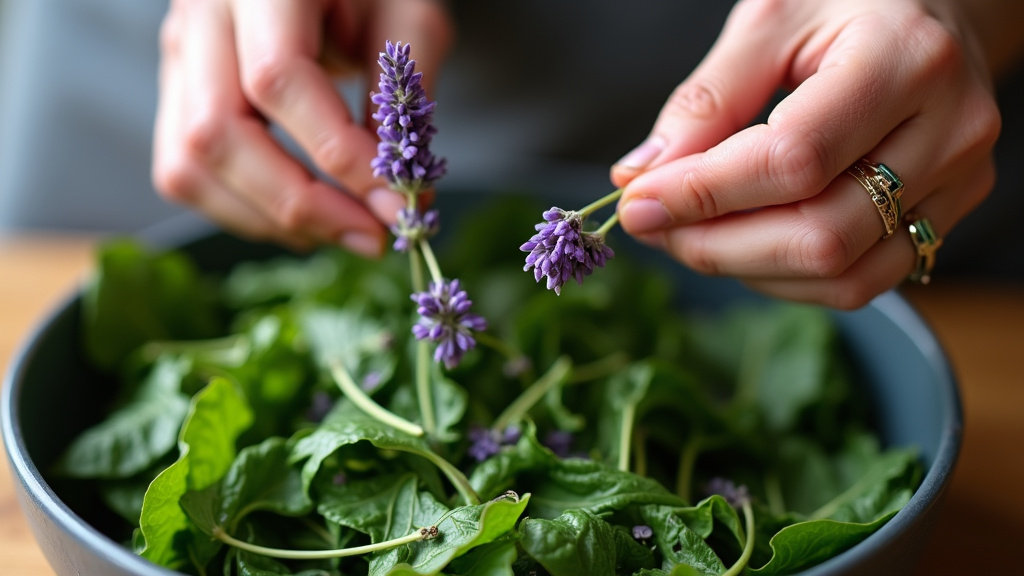
If you decide to proceed after weighing the risks, these rules are not suggestions. Break one, and you’re gambling with your dragon’s health.
- Only Organic Florets. This means flowers grown from seed you planted or from a vendor who certifies no chemical use. Commercial ornamental lavender is almost always treated with systemic pesticides that soak into the plant tissue. You cannot wash it off.
- No Stems, No Leaves. Some toxicity guides suggest the leaves are safer. Don’t risk it. The highest concentration of volatile oils is usually in the leaves and stems. Offer only the tiny purple florets you can pluck free.
- Tiny Quantity, Rare Frequency. For an adult dragon, 2-3 florets. For a juvenile, 1 floret. Do this no more than once per month. This is even less frequent than the guidelines for sage as an herb.
- Always a Topper. Never offer a bowl of lavender. Always mix it into a large base of trusted greens like collard, mustard, or turnip greens. This ensures they can’t binge on it.
- 48-Hour Watch. After feeding, monitor bowel movements and energy levels for two days. Diarrhea or unusual lethargy means your dragon is sensitive to it. Never offer it again.
Skipping rule one is the most common error. That “pretty lavender” from the garden center killed a dragon I knew. The owner washed it. The dragon ate two florets on a Saturday. By Monday it was lethargic and passing watery stools. The vet suspected pesticide toxicity. The dragon recovered after a week of fluids and care, but it was entirely preventable. I haven’t fed store-bought flowers of any kind since.
How to Prepare Lavender Safely
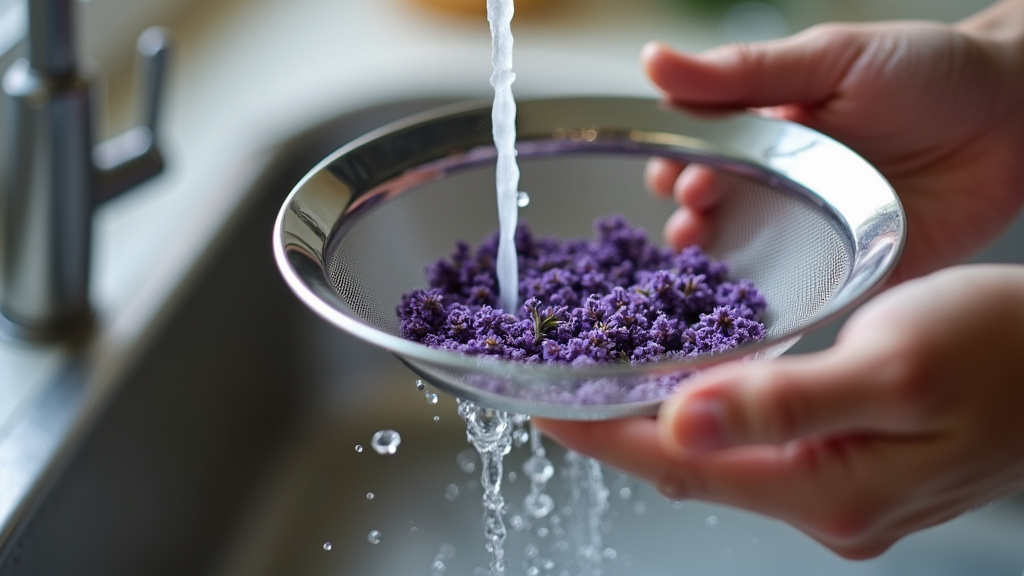
Preparation is straightforward but critical. It’s about removing external hazards.
First, visually inspect your organic lavender florets. Look for tiny bugs, signs of mold (fuzzy grey or white spots), or any discoloration. Discard anything questionable.
Second, wash them. Place the florets in a fine-mesh strainer and run cool water over them for 30 seconds, gently agitating with your fingers. This removes dust, pollen, and any residual environmental contaminants.
Third, dry them. Pat them gently with a paper towel. A damp floret can stick to your dragon’s mouth or introduce excess moisture to their salad, speeding spoilage.
Now, portion. Pluck 1-3 florets from the stem. Use your fingernails or small scissors. Place them on top of a hearty salad that includes a calcium-rich green like kale as a staple green. Present the salad.
Remove any uneaten lavender after 30 minutes. It wilts quickly and loses any minimal appeal.
What to Do If Your Dragon Reacts Badly
Despite your care, some dragons are individually allergic. The symptoms are specific.
- Digestive: Watery diarrhea, sometimes with a strange color or undigested food. Lack of appetite for their next regular meal.
- Behavioral: Lethargy, hiding more than usual, keeping eyes closed.
- Physical: Swelling around the mouth or face (rare but serious).
If you see mild digestive upset (one loose stool), stop all treats and offer only plain, trusted greens like arugula as a salad green and water for 24 hours. Often, their system will reset.
If you see pronounced lethargy, repeated diarrhea, or any swelling, contact your reptile veterinarian immediately. Have the lavender’s source information ready. Do not try home remedies. The treatment is supportive care, fluids, warmth, and sometimes activated charcoal if ingestion was recent.
Common mistake: Waiting to see if symptoms “pass” over 24 hours when a dragon shows clear lethargy, reptile illnesses progress quickly, and early vet intervention drastically improves outcomes.
Better, Safer Alternatives to Lavender
Your dragon doesn’t need lavender. The desire to offer variety is good, but channel it into safer channels. Here are superior options that provide real nutritional benefits without the risk.
- Herbs: Cilantro as a safe herb is excellent for hydration and can be fed weekly. Parsley as a green is rich in Vitamin K but should be rotated due to moderate oxalates.
- Flowers: Hibiscus and dandelion flowers, as shown in the table, are top-tier. Rose petals (organic) are another occasional option.
- Leafy Greens: This is where the diet lives. Rotate through staples: collard greens, mustard greens, endive, and escarole. Use nutrient-dense greens such as kale and leafy greens like spinach sparingly due to their oxalate content, but they have a place in the rotation.
- Other Veggies: Grated squash, bell peppers, and occasional blueberry are fantastic for color and vitamins.
The goal is a diverse, colorful salad bowl. A single floret of lavender adds almost nothing to that nutritional picture. The risk, however small, outweighs the non-existent benefit. Stick with the proven winners.
Frequently Asked Questions
Can I use dried lavender from the tea aisle?
No. Dried culinary lavender is often treated with preservatives or anti-caking agents not safe for reptiles. The drying process also concentrates the plant’s oils, potentially increasing the risk of irritation.
My dragon ate a lavender plant from my yard. What now?
Identify the plant first, was it truly lavender? Monitor closely for 48 hours for any symptoms. If the plant was chemically treated with fertilizer or pesticide, contact your vet immediately, even if no symptoms appear yet. Provide a sample of the plant if possible.
Are lavender-scented substrates or cage cleaners safe?
Absolutely not. Any product containing lavender essential oil or fragrance is a hazard. These volatile compounds are inhaled directly by your dragon and can cause respiratory distress. Use only odor-free, reptile-specific substrates and clean with diluted vinegar or reptile-safe disinfectants.
Can baby bearded dragons eat lavender?
It is not recommended. Juvenile dragons have more sensitive digestive systems and are growing rapidly. Their diet should be focused on reliable protein and calcium-rich greens to support development, not on experimental treats with any known risk.
Is French lavender vs. English lavender safer?
There is no definitive safety data differentiating lavender species for reptiles. The rule applies to all Lavandula species: assume the same cautious protocol. Do not assume one cultivar is safe.
What about other fragrant herbs like rosemary?
Many strong, aromatic herbs like rosemary, oregano, and mint contain higher levels of volatile oils. They are generally not recommended for bearded dragons. Stick to the milder, well-tested herbs like basil feeding guidelines and dill as a safe herb.
The Bottom Line
Lavender flowers exist in the “technically possible, pragmatically unwise” category of bearded dragon treats. The safe window is tiny, a couple of organic florets once in a blue moon. The consequences of stepping outside that window range from a messy cage to a life-threatening toxicity.
Your dragon will not miss it. They will, however, thrive on a diet built around dependable, nutrient-packed greens and the occasional safe flower like hibiscus or dandelion. Channel your care into perfecting that core diet. Skip the lavender. The peace of mind is a better reward than watching them sniff a purple flower they probably won’t even eat.