
Can Bearded Dragons Eat Kiwi? Vet-Approved Guide & Risks
This post contains affiliate links. As an Amazon Associate, we earn from qualifying purchases.
Bearded dragons can eat kiwi fruit, but only as an occasional, carefully prepared treat. The safe frequency is once every two to four weeks at most. You must peel the skin completely and cut the flesh into tiny pieces to avoid choking and digestive issues.
Most owners get this wrong by focusing on the vitamin benefits and ignoring the two real dangers: oxalic acid and sugar. Oxalates bind to calcium inside your dragon’s gut, blocking absorption. Over time, this can lead to metabolic bone disease. The sugar in cultivated supermarket fruit is also far higher than anything found in their natural diet, promoting obesity and dental disease.
This guide covers the exact risks, the correct preparation to mitigate them, and how to spot if you’ve fed too much. We’ll also compare kiwi to other common fruits so you can make the safest choices for your pet’s treat rotation.
Key Takeaways
- Feed kiwi no more than once a month due to its oxalate content (approx. 29mg per fruit) and high sugar.
- Always peel the skin – the fuzzy exterior is indigestible and a common cause of impaction.
- The calcium-to-phosphorus ratio in kiwi is roughly 1:1, which is suboptimal and can contribute to calcium deficiency if fed regularly.
- Baby bearded dragons should not eat kiwi; their rapid growth demands unimpeded calcium absorption.
- Watch for signs of overfeeding: runny stools, lethargy, or a sudden loss of appetite for their staple greens.
The Kiwi Nutrition Breakdown: Benefits vs. Real Risks
Kiwi offers a decent hit of Vitamin C and some fiber. That’s the surface-level benefit every article mentions. The problem is the trade-off.
A single kiwi contains about 29 milligrams of oxalates, also known as oxalic acid. This compound binds with calcium in the digestive tract to form calcium oxalate crystals. Your dragon’s body cannot absorb calcium that’s locked up this way. The calcium-to-phosphorus ratio in kiwi is approximately 1:1, as noted by veterinary nutrition sources. For a bearded dragon, you want that ratio inverted – ideally 1.5:1 or 2:1 calcium to phosphorus. A 1:1 ratio provides zero net calcium gain. When you combine a neutral ratio with oxalates that actively block absorption, you get a net calcium loss.
The oxalic acid in kiwi binds with dietary calcium to form insoluble crystals, preventing calcium absorption. This is the primary mechanism that can lead to metabolic bone disease over time, not just a simple “lack of calcium” in the diet.
The sugar content is the other silent issue. The fruits we buy are cultivated for human palates. Their sugar concentration is astronomically higher than the fibrous, seed-filled fruits a wild bearded dragon might rarely encounter. This sugar fuels obesity and disrupts gut flora. It also directly contributes to dental disease in a species with acrodont teeth – teeth fused to the jawbone that don’t grow back.
| Nutrient / Compound | Amount in Kiwi (approx.) | Impact on Bearded Dragons |
|---|---|---|
| Vitamin C | High | Antioxidant benefit; not stored, so excess is excreted. |
| Oxalic Acid | ~29mg per fruit | Binds calcium, risking Metabolic Bone Disease (MBD). |
| Sugar | High (cultivated varieties) | Promotes obesity, dental disease, and gut imbalance. |
| Calcium : Phosphorus | 1 : 1 | Suboptimal; provides no net calcium benefit. |
| Fiber | Moderate | Aids digestion in tiny amounts. |
TL;DR: Kiwi’s Vitamin C is a bonus, but its oxalate and sugar content pose real, long-term health risks that outweigh the benefits for frequent feeding.
How Often Can You Feed Kiwi? The Safe Schedule
The safe feeding schedule is not weekly. It’s not even bi-weekly for most dragons. The consensus from reptile veterinarians and experienced keepers is a hard ceiling of once per month. For dragons with a history of kidney issues or calcium deficiency, skip it entirely.
This infrequency is directly tied to oxalate accumulation. While a single tiny piece won’t cause immediate harm, the oxalates have a cumulative effect on the body’s ability to manage calcium. Feeding kiwi once a month gives the system ample time to clear these compounds before the next exposure. Contrast this with a safer treat like butternut squash, which you could offer weekly.
Common mistake: Feeding kiwi every week because your dragon seems to love it – the oxalates interfere with calcium uptake with every feeding, quietly depleting reserves that support bone and nerve function.
Juveniles under one year old should not be given kiwi at all. Their bodies are diverting every available molecule of calcium to skeletal growth. Introducing a food that blocks that process is counterproductive and risky. Stick to calcium-rich staple greens and appropriately gut-loaded insects.
A sample monthly treat rotation is safer than repeating the same risky fruit:
- Week 1: A single blueberry
- Week 2: A small piece of peeled mango
- Week 3: A raspberry
- Week 4: A tiny piece of peeled kiwi
This variety minimizes repeated exposure to any one fruit’s specific anti-nutrients.
How to Prepare Kiwi Safely (Step-by-Step)
Getting the preparation wrong turns a risky treat into a dangerous one. The skin is the biggest offender.
Step 1: Select a Ripe Kiwi
Pick a fruit that yields slightly to gentle pressure. Unripe kiwi is harder, more acidic, and contains higher concentrations of oxalic acid. A ripe kiwi smells faintly sweet at the stem end.
Step 2: Wash and Peel Thoroughly
Scrub the entire fruit under cold running water. Use a vegetable brush if you have one. The fuzzy skin can harbor pesticides and bacteria. Then, peel it completely. I use a standard vegetable peeler. You must remove every bit of the brown, fibrous skin. Leaving even a small patch can cause impaction, as it does not break down in their digestive tract.
Step 3: Cut to the Right Size
Slice the green flesh. For an adult dragon, pieces should be no larger than the space between their eyes – roughly the size of a pea. For smaller adults or if you’re unsure, go even smaller, to the size of a grain of rice. The seeds are soft and generally pass through without issue, but cutting ensures no large chunks pose a choking hazard.
Step 4: Serve and Clean Up
Place one or two pieces on top of their regular salad of collard greens, dandelion greens, or escarole. Never offer a bowl of just kiwi. Remove any uneaten fruit within 15 to 20 minutes. Kiwi flesh breaks down quickly and will attract fruit flies and bacteria.
Kiwi vs. Other Common Fruits: A Risk Comparison
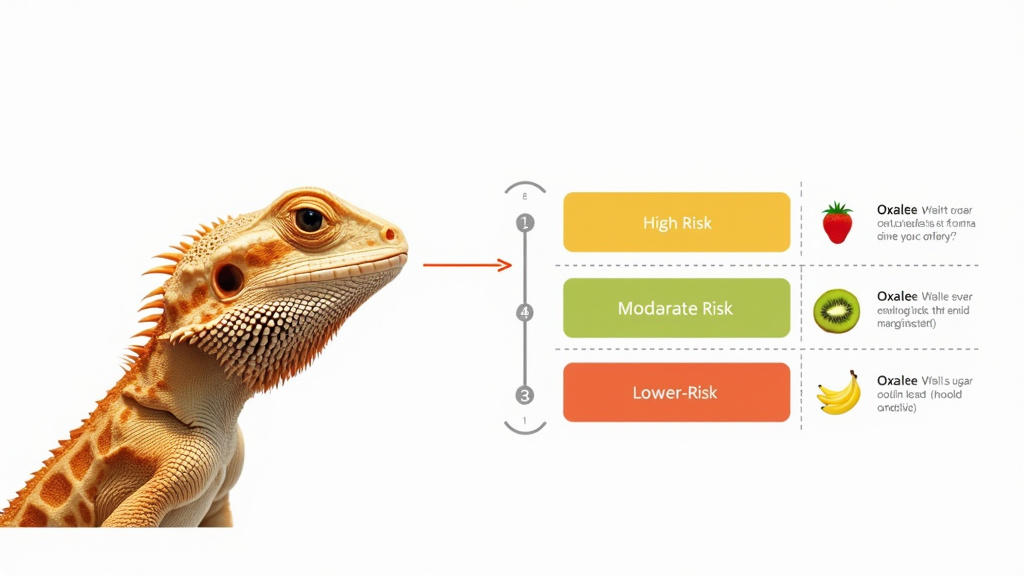
Not all fruits carry equal risk. Knowing where kiwi falls helps you build a smarter treat menu. This is where a simple list of safe fruits for bearded dragons becomes critical.
High-Risk Fruits (Avoid or Extreme Rarity):
- Citrus (Oranges, Lemons): Far too acidic, cause stomach upset and mouth sores.
- Avocado: Persin toxin is fatal to reptiles.
- Rhubarb: Extremely high oxalate content.
Moderate-Risk Fruits (Monthly Treats):
- Kiwi: High oxalates and sugar, as discussed.
- Pineapple: Contains bromelain, an enzyme that can cause mouth irritation, and is quite acidic. It fits a similar pineapple as a treat schedule.
- Bananas: Very high in phosphorus and sugar, leading to calcium binding if fed often. This is why feeding bananas safely means extreme moderation.
Lower-Risk Fruits (Bi-Weekly Options):
- Berries (Strawberries, Blueberries, Raspberries): Lower in oxalates, though still sugary. They are small and easy to portion. A single strawberry for bearded dragons or a couple of blueberries for bearded dragons is a better choice.
- Melons (Cantaloupe, Watermelon): High water content dilutes the sugar, and they are low in oxalates. Cantaloupe for bearded dragons is a good hydrating treat in summer.
- Peaches/Mangoes: Lower in oxalates than kiwi but high in sugar. Proper peach preparation involves removing the pit and skin.
| Fruit | Oxalate Level | Sugar Level | Safe Feeding Frequency | Better Alternative |
|---|---|---|---|---|
| Kiwi | High (~29mg) | High | Once a month | Papaya (lower oxalate) |
| Strawberry | Low | Medium | Every 2 weeks | Blueberry |
| Blueberry | Very Low | Medium | Every 2 weeks | Raspberry |
| Banana | Medium | Very High | Once a month | None – use sparingly |
| Cantaloupe | Low | Medium-High | Every 2 weeks | Butternut Squash (vegetable) |
The goal is variety and infrequency. Relying on the core best bearded dragon foods – like dubia roaches, collard greens, and bell peppers – for 90% of their diet is non-negotiable.
Signs You’ve Fed Too Much Kiwi
You won’t see metabolic bone disease after one feeding. That damage is slow and structural. The immediate signs of overfeeding are gastrointestinal and behavioral.
Watch for runny stools or diarrhea within 24 hours. The high sugar and water content can draw fluid into the gut, disrupting digestion. Your dragon may also become lethargic or refuse their next meal, especially their staple greens. Why eat boring collards when sweet kiwi might be coming?
A more subtle sign is a change in their urates (the white part of their poop). They might become chalky, gritty, or slightly yellow. This can indicate the kidneys are working harder to process the extra sugars and oxalates.
Common mistake: Assuming no immediate vomiting means the fruit was fine – the damage from oxalates is cumulative and internal, often showing as weak limbs or tremors weeks or months later.
If you see any of these signs, stop all fruit immediately. Go back to a simple diet of their staple greens and insects for a week to let their system reset. Ensure their UVB lighting is fresh (replace every 6 months) and they have access to a pure calcium supplement without D3 at most feedings. If lethargy or appetite loss persists for more than two days, consult a reptile veterinarian.
The Baby Dragon Rule: Why Kiwi is a Hard No
Everything about kiwi is wrong for a growing baby bearded dragon. Their bodies are in a state of hyper-growth, laying down bone mass at a rapid rate. They require a massive, uninterrupted supply of bioavailable calcium.
Introducing a food with oxalates that block calcium absorption is actively working against their most critical biological need. Furthermore, their tiny digestive systems are more sensitive to sugar swings and the risk of impaction from even a tiny piece of misplaced skin.
The foundation for a healthy adult is built in the first year. Stick to the proven staples: small, gut-loaded insects like dubia roaches dusted with calcium, and finely chopped calcium-rich greens like collard and mustard greens. There is no nutritional hole in a baby’s diet that kiwi fills. Wait until they are a robust adult, over 18 months old, before considering it as a very rare curiosity. Your primary focus should always be on the essential foods for bearded dragons that support lifelong health.
Frequently Asked Questions
Can bearded dragons eat kiwi skin?
No. Never feed the skin. The fuzzy brown exterior is tough, fibrous, and indigestible for bearded dragons. It is a common cause of intestinal impaction. Always peel it completely.
Are the seeds in kiwi safe for bearded dragons?
Yes, the small, black seeds are soft and generally pass through the digestive system without issue. The primary risks are the oxalates and sugar in the flesh, not the seeds.
My bearded dragon loves kiwi. Can I feed it weekly?
You should not. Weekly feeding significantly increases the cumulative oxalate load, interfering with calcium absorption at nearly every meal. This dramatically raises the risk of metabolic bone disease. Stick to the monthly schedule.
What are the first signs of metabolic bone disease from poor diet?
Early signs include subtle tremors in the toes or legs, a softer lower jaw (rubber jaw), difficulty climbing, or swelling in the limbs or spine. By the time these appear, significant damage has occurred. Prevention through proper diet and UVB is key.
Is kiwi better than other sugary fruits like grapes?
It’s different, not better. Grapes are lower in oxalates but higher in simple sugars. Both are high-risk treats that should be fed with the same extreme rarity – no more than once a month. A better occasional treat is a berry.
Can I feed kiwi to a sick bearded dragon for Vitamin C?
No. Do not introduce new foods, especially sugary ones, to a sick animal. It can further disrupt their gut. If you suspect a Vitamin C deficiency (rare in reptiles on a balanced diet), consult a reptile vet for appropriate supplementation.
The Bottom Line
Kiwi sits in the “technically safe, practically risky” category. The one-month rule exists for a concrete biochemical reason: oxalate accumulation. Peeling and mincing the fruit mitigates immediate physical dangers, but it doesn’t change its fundamental chemistry.
Treats should comprise no more than 10% of your dragon’s overall diet. Within that 10%, prioritize lower-risk options like the occasional berry or melon piece. Reserve kiwi for the rarest of occasions. The long-term health of your bearded dragon depends on the consistency of their staple diet – a foundation of nutritious greens and insects – far more than on any single sweet treat. When in doubt, leave it out. Their skeleton will thank you.