
Why Your Bearded Dragon’s Mouth Is Open: Serious vs Normal
This post contains affiliate links. As an Amazon Associate, we earn from qualifying purchases.
A bearded dragon opens its mouth primarily for thermoregulation, a behavior called gaping. When basking at its ideal temperature of 95–110°F, it opens its mouth to release excess heat, much like a dog panting. This is normal. An open mouth becomes a problem when accompanied by wheezing, mucus, lethargy, or occurs away from the heat source, signaling potential respiratory infection, mouth rot, or severe stress.
Most new owners panic the first time they see it. The lizard looks like it’s gasping for air, and the instinct is to assume something’s terribly wrong. That fear leads to misdiagnosis and unnecessary vet trips, or worse, ignoring a genuine emergency.
This guide breaks down the eight specific reasons behind that open mouth. You’ll learn to read the context, the dragon’s position, its body language, the sounds it makes, to instantly know if you’re watching a healthy lizard manage its temperature or if you need to grab the phone for an emergency vet visit.
Key Takeaways
- Gaping is normal thermoregulation. If your dragon is on its basking spot, body flat and relaxed, an open mouth means it’s perfectly content and at its ideal temperature.
- Context kills confusion. An open mouth in the cool end of the tank means the overall temperature is too high. An open mouth with a puffed, black beard means stress or defense.
- Three symptoms demand a vet. Wheezing, audible clicking, or mucus bubbles from the nose/mouth paired with an open mouth indicate a respiratory infection, which is fatal without antibiotics.
- Mouth rot is a slow-motion emergency. Red, swollen gums, pus, or a cheesy substance around the teeth that prevents the mouth from closing needs immediate veterinary treatment.
- Prevention is in the setup. Correct temperatures, low stress, and a clean habitat prevent 90% of the serious causes for an open mouth. Check your gauges before you panic.
Is an Open Mouth Normal or a Problem?
The answer lives in the details around the behavior. Normal gaping for thermoregulation has a specific look. The dragon is stationary on its basking platform, body fully flattened to maximize surface area. Its eyes are often partially closed in a content, sleepy expression. The mouth is just open, not straining. You might see the throat pulse slightly with each breath. There’s no sound.
Gaping is a targeted cooling mechanism. Bearded dragons lack sweat glands. By opening the mouth and slightly increasing respiration, they direct heat out through the moist surfaces of the mouth and throat, stabilizing their core temperature without moving from the prime basking real estate.
Abnormal open-mouth behavior breaks this pattern. The dragon might be in a cool hide, pressed against the glass, or sitting oddly. The body is tense. The mouth might be held wider, or you might see the tongue moving differently. Sound is the biggest differentiator. Any wheeze, click, or gurgle changes the diagnosis completely.
TL;DR: Normal gaping is silent, happens on the basking spot, and the dragon looks relaxed. Anything else warrants a full habitat check and closer observation.
The 4 Signs Your Bearded Dragon’s Open Mouth is an Emergency
Don’t guess. Match the symptoms you see to this list. If you check even one of these boxes, stop reading and call an exotic vet.
- Audible breathing. This is the top red flag. Healthy bearded dragon respiration is silent. A wheeze, click, or gurgle with an open mouth means air is moving through fluid or swollen airways. That’s a textbook sign of a respiratory infection.
- Mucus or bubbles. Look for a clear or milky discharge from the nostrils or the corners of the mouth. Bubbles forming at the nostrils when the dragon breathes are a severe sign of advanced RI.
- Swollen jaw or gums. Gently open the mouth if you can. Red, inflamed gums, yellow or white cheesy deposits (pus), or a jaw that looks asymmetrical or puffy points to mouth rot or a dental abscess. The swelling can physically prevent the mouth from closing.
- Lethargy plus gaping. A dragon that is listless, won’t eat, has sunken eyes, and is gaping anywhere in the tank is critically ill. This combo signals systemic failure, from severe dehydration to advanced infection. Our guide on lethargy causes details the common culprits.
Common mistake: Treating a respiratory infection with just a temperature increase. Raising the basking temp a few degrees can support immune function, but a bacterial RI requires prescription antibiotics like Baytril (enrofloxacin). Delaying vet care for “home treatment” leads to pneumonia.
If you see these symptoms, your dragon isn’t just warm. It’s sick. The EnviroLiteracy bearded dragon health guide reinforces this distinction, noting that persistent open-mouth breathing outside of basking is a key indicator of distress.
The Temperature Gradient: Why Placement Matters
Your dragon’s internal map of the tank has two zones: the kitchen and the bedroom. The basking spot is the kitchen where it goes to get warm and digest. The cool end is the bedroom for resting and cooling down. An open mouth should only happen in the kitchen.
| Dragon’s Location | Open Mouth Means | Your Action |
|---|---|---|
| On basking platform | Normal thermoregulation (gaping) | None needed. Perfect. |
| Middle of the tank | Ambient temperature too high | Measure cool end temp. It should be 75-85°F. Increase ventilation or lower wattage. |
| In cool hide / shade | Entire enclosure is overheating | Check all thermometers. Basking surface may be way above 110°F, cooking the whole tank. |
| Against cool glass | Seeking a heat sink | Likely too hot, but could also indicate illness if paired with lethargy. |
I learned this the hard way with a cheap, stick-on thermometer. My dragon, Spike, started gaping in his hide. I assumed he was just warm. Two days later, he was lethargic and refusing food. The analog gauge read 85°F, but a digital gun thermometer showed the basking rock surface was at 122°F. The entire tank was a sauna. He was gaping in the hide as a last-ditch effort to cool off. I burned out a 100-watt bulb in a ceramic socket by not using a dimming thermostat.
The fix is a digital probe thermometer on the basking surface and an infrared temperature gun to spot-check. If your dragon is gaping anywhere but the basking spot, the gun will show you why within ten seconds.
Beyond Thermoregulation: 7 Other Reasons for an Open Mouth
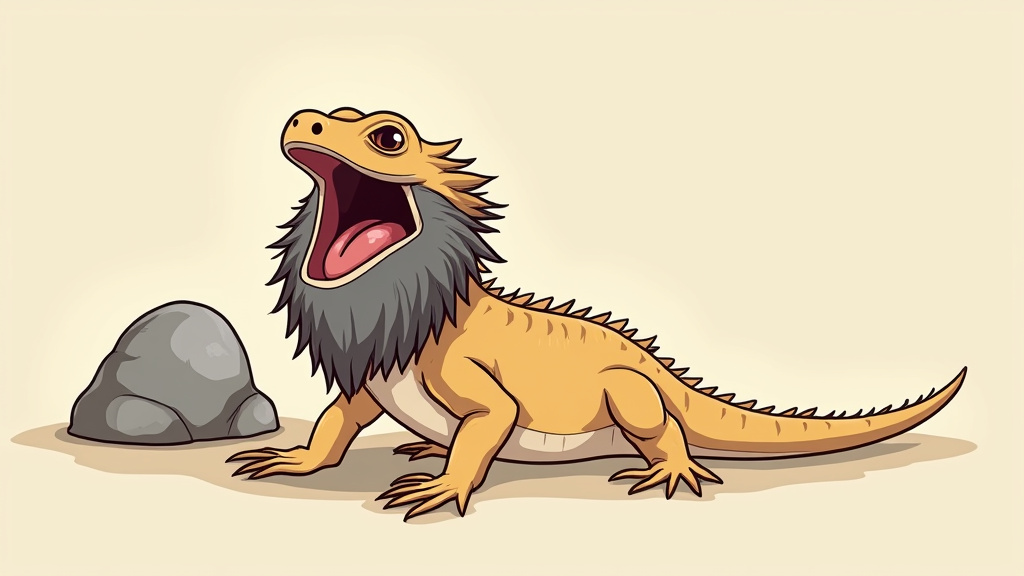
Gaping is the most common reason, but it’s not the only one. Other causes range from completely benign to critically important. Understanding your dragon’s general behavior guide helps put these in context.
Shedding. Before a shed, especially around the head and jaw, the skin tightens. You might see your dragon open its mouth wide, stretch its jaw, and rub its face against rocks. It’s trying to loosen the old skin. This is normal and temporary.
Stress or Defense. This is accompanied by a puffed-up, often black beard. The body is upright and tense. The mouth opens in a threat display to make the dragon look larger. Common triggers are a new pet in the room, its own reflection, or improper handling. It’s a clear “back off” signal.
During Brumation. In their dormant winter slowdown, a dragon’s breathing can become shallow and irregular. You might see the mouth open slightly with very slow breaths. This is normal if the dragon is otherwise in a deep sleep state in its hide.
Severe Dehydration. A dehydrated dragon may gape in an attempt to cool a body struggling with low fluid volume. Look for tented skin that doesn’t snap back, sunken eyes, and thick, pasty white urates. This is a serious medical condition requiring a vet for subcutaneous fluids.
Attention Seeking / Boredom. Some dragons, especially intelligent and social ones, learn behaviors. If opening its mouth gets a reaction from you, a head tilt, talking, or approaching the tank, it might repeat the action. This is rare but happens. The dragon will look alert and focused on you, not relaxed.
Mating Season Hormones. Increased testosterone or estrogen can make dragons more territorial and prone to display behaviors, including open-mouth threats. This is seasonal and often paired with increased head bobbing.
Foreign Object or Dental Pain. A piece of substrate (like loose particle bedding) or a cracked tooth can cause enough discomfort to keep the mouth slightly ajar. This is why knowing their dental anatomy matters. Inspect the mouth gently if you suspect this.
How to Perform a Quick Health Check at Home
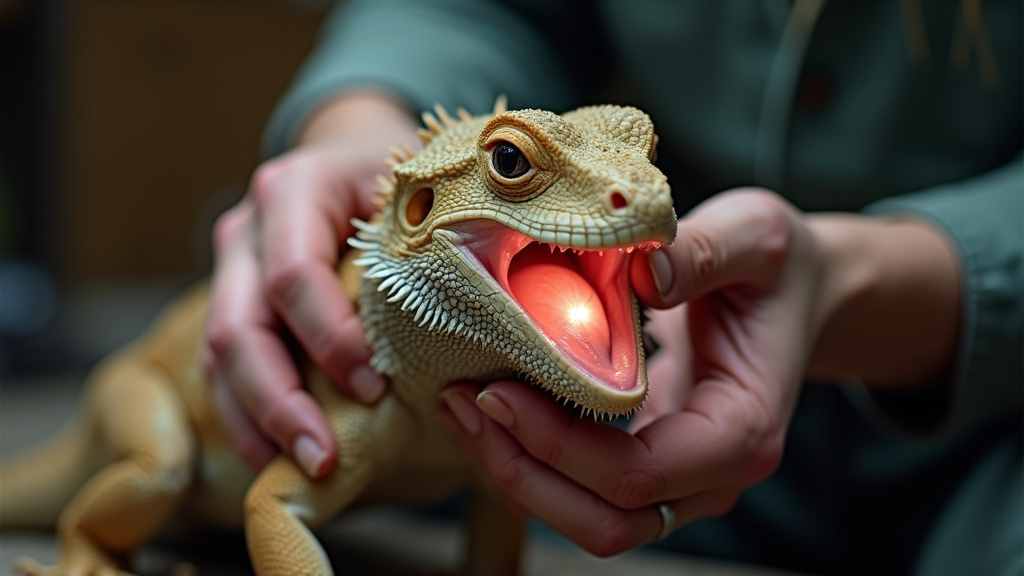
Before you call the vet, run through this five-minute checklist. It will either calm your nerves or confirm you need professional help.
- Shine a light. In a dim room, gently open the mouth and look inside. Use a flashlight. You’re looking for the normal pink color of the gums. Red streaks, yellow patches, or swollen tissue are bad. The tongue should be pale pink.
- Listen closely. Put your ear near the tank when the dragon is breathing with its mouth open. Silence is good. Any rasp, whistle, or click is a ticket to the vet.
- Feel the body. Gently run your fingers along the jawline. Both sides should feel symmetrical and firm, not puffy or soft. Check the ribs; they shouldn’t be protruding, a sign of weight loss often linked to refusing food.
- Watch the eyes. Sunken eyes are a late sign of severe dehydration or illness. Bright, alert eyes are a good sign, even if the mouth is open.
- Offer a favorite food. A dragon that’s just gaping due to heat will usually still take a juicy hornworm. A sick dragon will ignore it. A sudden shift in eating behavior is a major data point.
I keep a dedicated “dragon first-aid” flashlight in my reptile cabinet for this exact check. The one time I saw a tiny piece of shed skin stuck across the back of the throat, causing a weird gape, the flashlight made the diagnosis in seconds. A warm bath and a gentle swab solved it.
This check rules out the obvious. If you find nothing, the cause is almost certainly environmental, your temperatures are off.
Problem-Solving: Fixing the Cause, Not Just the Symptom
An open mouth is a symptom. Your job is to find and fix the root cause in the habitat.
If the tank is too hot:
- Use a lower wattage basking bulb.
- Install a dimming thermostat (Herpstat, Vivarium Electronics) to precisely control temperature.
- Raise the basking platform a few inches farther from the lamp.
- Ensure the cool end is truly 75-85°F. Add a small fan blowing across the top of the cool side if needed.
If the dragon is stressed:
- Cover three sides of the glass tank with background paper to reduce reflections.
- Move the tank away from high-traffic areas or other pets.
- Review handling frequency. Sometimes less is more.
- Look for signs of territorial aggression if you have multiple dragons.
If you suspect dehydration:
- Offer daily warm baths (95-100°F water, shallow) for 15 minutes.
- Mist fresh greens heavily before feeding.
- Ensure the water dish is clean and placed away from the basking bulb to avoid humidity spikes.
- In severe cases, a vet can administer fluids under the skin.
If other symptoms point to illness:
Stop problem-solving and start calling. A respiratory infection won’t be fixed by adjusting a bulb. Metabolic Bone Disease causing jaw swelling needs calcium injections and UVB correction. Mouth rot needs debridement and antibiotics. Your role shifts from keeper to medical coordinator.
Frequently Asked Questions
Why does my bearded dragon sit with its mouth open after eating?
This is usually digestion-related gaping. The metabolic process of digesting food, especially a large meal like a rodent, generates internal heat. Your dragon is using gaping to shed that excess heat while it rests and digests. It’s normal, as long as it’s on the warm side of the tank.
Is it bad if the mouth is open during sleep?
Yes, this is unusual and concerning. Bearded dragons should sleep with their mouths closed. An open mouth during sleep can indicate a respiratory infection making it difficult to breathe through the nostrils, or severe weakness. Monitor closely and check for other signs of severe illness.
My dragon opens its mouth when I pet its head. Why?
This is often a sign of pleasure or relaxation, similar to a cat purring. Some dragons will slightly open their mouths and close their eyes when stroked along the head and beard. It’s a good sign, indicating trust. Contrast this with the stiff, black-bearded open mouth of defense.
How long is too long for gaping?
There’s no strict timer. A dragon might gape on and off for hours during the day while thermoregulating. The concern is continuous, relentless gaping, especially if the dragon moves to a cooler area and continues. That suggests it cannot get its temperature down, meaning the ambient temperature is critically high.
Can a calcium deficiency cause an open mouth?
Indirectly, yes. Severe Metabolic Bone Disease (MBD) weakens all bones, including the jaw. The jaw muscles can spasm or the bone itself can deform, making it difficult or painful to close the mouth fully. This is a late-stage symptom, always accompanied by tremors, soft bones, and severe lethargy.
The Bottom Line
Watch the lizard, not just the mouth. A content, thermoregulating dragon on its basking rock is a picture of health, open mouth and all. The problems announce themselves with other guests: strange sounds, mucus, lethargy, or a mouth that looks wrong.
Your thermostat and thermometer are your first line of defense. Get those numbers right, 95-110°F at the basking surface, 75-85°F on the cool side, and you eliminate the vast majority of confusing, non-emergency gaping. When in doubt, run the five-minute health check. Your eyes and ears are better diagnostic tools than any internet forum.
And when you hear that first wheeze, see the first bubble, or notice a swollen gum, move fast. Reptiles hide illness until they can’t. That open mouth might be their only way of telling you the tank is a furnace, or worse, that they’re fighting an infection they can’t win alone.