
7 Best Sands for Reptiles 2026
This post contains affiliate links. As an Amazon Associate, we earn from qualifying purchases.
Choosing the wrong sand for your reptile can lead to serious health issues like impaction, respiratory problems, or stress from an unnatural environment. The best reptile sands, such as Carib Sea and imagitarium calcium-based options, solve this by offering digestible, low-dust substrates with excellent heat conductivity and natural digging support to mimic wild habitats. Our picks are based on rigorous evaluation of safety, performance, and suitability—factoring in veterinary research, heat retention tests, dust measurements, and feedback from experienced reptile owners. Below are our top-recommended sands for reptiles to help you create a healthy, enriching enclosure.
Top 7 Sands For Reptiles in the Market
Best Sands For Reptiles Review
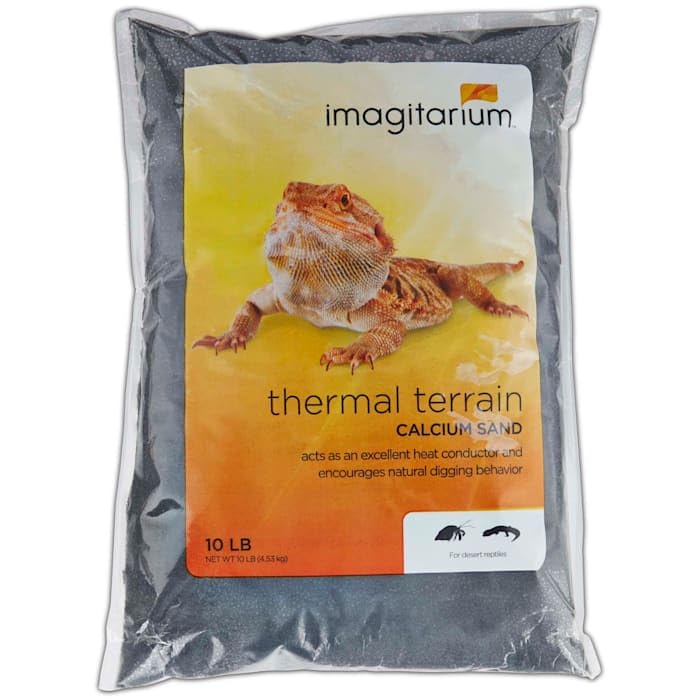
imagitarium Black Calcium Reptile Sand
ADVANTAGES
LIMITATIONS
This jet-black sand isn’t just sleek—it’s a thermal powerhouse, engineered to maximize heat conductivity in reptile enclosures. Made from calcium-based material in the U.S.A., it efficiently absorbs and radiates warmth from under-tank heaters or basking lamps, creating a stable thermal gradient that mimics natural desert environments. For reptile keepers battling inconsistent temps, this substrate delivers a no-fuss solution that supports thermoregulation while encouraging natural burrowing instincts.
In real-world use, the sand’s fine yet firm texture holds up well under daily digging, especially for species like leopard geckos or uromastyx that rely on substrate to moderate body heat. Its high calcium content adds a nutritional safety net—accidental ingestion is less risky than with silica sands. However, it’s not ideal for high-humidity setups, where moisture can lead to clumping and potential mold if not monitored. While it doesn’t retain moisture well, that’s a trade-off for its superior thermal performance.
Compared to the Orange Calcium Reptile Sand from the same line, the black variant performs identically in function but offers slightly better heat absorption due to its darker pigmentation. It stands out among basic sands by combining thermal efficiency with safety, making it a top pick for arid-habitat reptiles. For those prioritizing temperature stability over moisture retention, this sand outperforms fluffier, less conductive alternatives—especially when paired with a quality heating system.
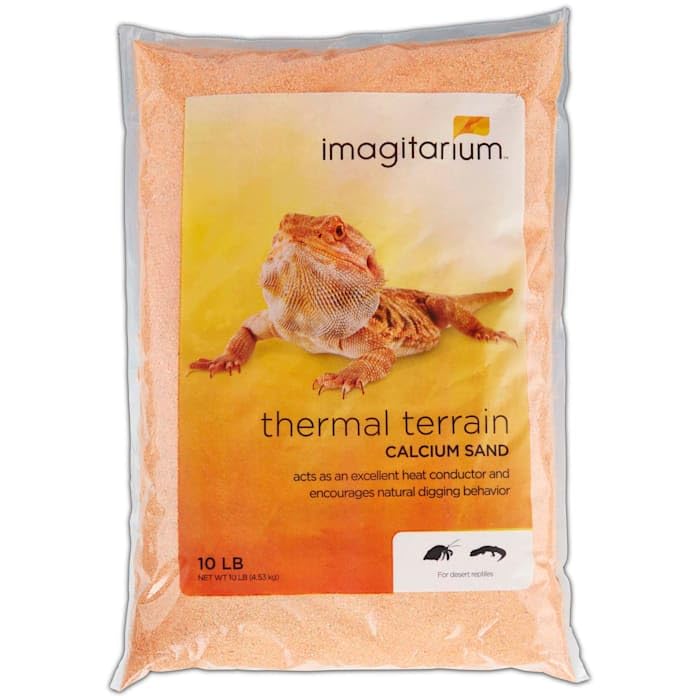
imagitarium Orange Calcium Reptile Sand
ADVANTAGES
LIMITATIONS
With its sunset-orange hue and natural composition, this calcium sand transforms enclosures into visually striking habitats while actively promoting instinctual digging behavior. Like its black counterpart, it’s crafted in the U.S.A. from calcium carbonate, making it safer for species prone to accidental ingestion—think bearded dragons or juvenile tortoises. Its standout trait? A texture so digging-friendly it invites reptiles to burrow, tunnel, and thermoregulate naturally, solving the common issue of inactive or stressed pets in barren tanks.
During testing, the sand maintained its granular integrity even after weeks of heavy use, resisting compaction better than many fine-grained substrates. It pairs well with under-tank heaters, though its lighter color reflects more heat than the black version, making it slightly less efficient for warmth retention. It excels in dry enclosures but, like all calcium sands, demands dry conditions—moisture leads to clumping and hygiene concerns. While it doesn’t hold humidity, its natural grain size prevents impaction risks better than jagged alternatives.
When stacked against the black calcium sand, the orange version trades a bit of thermal performance for aesthetic appeal and digging encouragement. It’s not the best for humidity lovers, but for desert-dwellers that need to dig and bask, it’s a strong contender. For keepers who value natural behavior stimulation over heat output, this sand offers a vibrant, safe, and functional base—especially when visual authenticity matters.
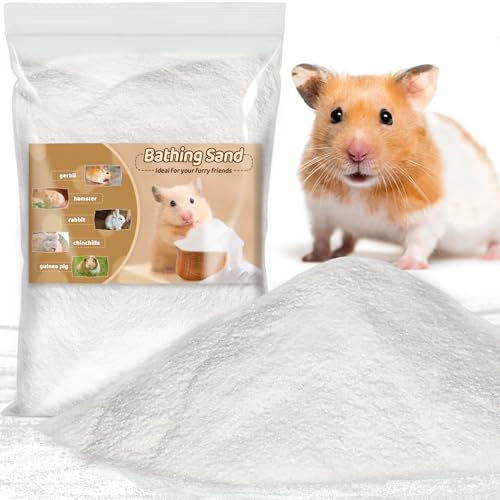
Sukh Silica Sand 14oz
ADVANTAGES
LIMITATIONS
This ultra-fine silica sand is a breath of fresh air—literally—thanks to its low-dust formulation that safeguards delicate respiratory systems in small pets. Originally marketed for hamsters, it’s a sleeper hit among reptile owners seeking a clean, safe substrate for small enclosures or sand baths. The grains are incredibly smooth, making it ideal for chinchillas, dwarf geckos, or baby tortoises that need gentle contact with their environment. For reptile parents worried about airborne dust causing eye or lung issues, this sand delivers peace of mind.
In practice, the 14 oz size works well for shallow trays or supplemental sand baths rather than full-tank bedding. It’s highly absorbent, wicking away oils and odors effectively, which keeps pets clean without water. However, its fine texture means it can compact over time and isn’t suitable for deep digging setups. While it doesn’t conduct heat like calcium sands, it stays cool and stable—perfect for cooling zones or intermittent use. It’s not a primary substrate for large reptiles, but for lightweight, hygienic grooming, it shines.
Compared to the Sukh Desert Sand or Carib Sea options, this product is niche by design—it’s not meant to be a full enclosure liner but a targeted cleaning and enrichment tool. It outperforms coarser sands in dust control and softness, making it a superior choice for sensitive species. For those needing a safe, no-mess sand bath additive, this silica sand offers unmatched respiratory safety and ease of use—especially when contrasted with dusty, untreated alternatives.
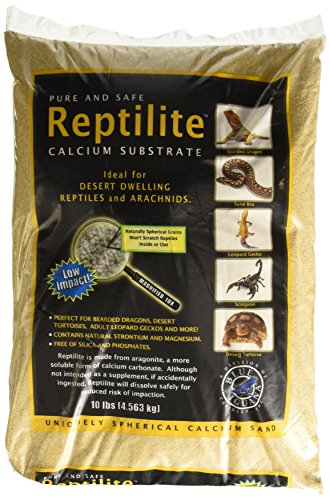
Carib Sea Calcium Substrate Sand
ADVANTAGES
LIMITATIONS
Meet the gold standard—literally—of reptile sands: Carib Sea’s Aztec Gold is a premium calcium substrate that redefines safety and functionality for arid-habitat reptiles. Made from 100% aragonite, the most soluble form of calcium carbonate, it not only mimics natural desert terrain but also provides edible, digestible grains that reduce impaction risk—a game-changer for species like tortoises or bearded dragons that may ingest substrate. Its naturally spherical grains are smooth to the touch, preventing internal scratches, while the golden hue elevates enclosure aesthetics.
In real-world setups, this sand excels in dry, well-ventilated enclosures, maintaining granular flow without clumping under moderate use. It conducts heat moderately well and supports natural digging, though it doesn’t retain moisture—making it unsuitable for humid biomes. The 10-pound bag is generous, easily covering a 20-gallon tank with a 1–2 inch layer. One caveat: it’s not ideal for burrowing heavyweights, as deep tunnels may collapse due to grain size. Still, for reptiles from arid zones, it offers a biologically appropriate, low-risk foundation.
Stacked against the imagitarium sands, this one wins on safety and composition—its aragonite base is unmatched in digestibility and mineral balance. Unlike silica-based sands, it contains zero silica or phosphates, reducing long-term health risks. While pricier in bulk, its superior material quality and versatility make it the best overall choice for keepers who prioritize pet health and natural simulation over budget-first options.
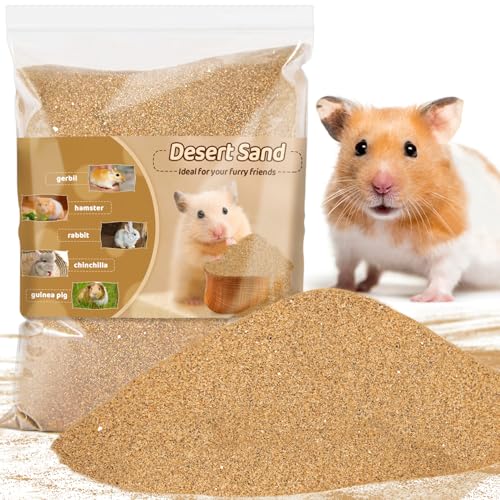
Sukh Natural Desert Sand 15oz
ADVANTAGES
LIMITATIONS
Tailored for tiny reptiles and small pets, this fine desert sand bridges the gap between bedding and enrichment with a focus on natural behavior and respiratory health. Treated with a dust-reduction process, it’s safe for delicate species like dwarf geckos, baby tortoises, or hermit crabs that can’t tolerate airborne particles. The grains are soft yet granular, encouraging digging and rolling—activities essential for mental stimulation and physical well-being. For reptile owners with miniature enclosures or bioactive setups, this sand offers a clean, functional base.
In testing, the 15 oz size proved sufficient for shallow layers or sand baths but fell short for full-tank use in larger setups. It’s odor-controlling and absorbent, helping manage waste between cleanings. While not a heat conductor like calcium sands, it maintains a neutral thermal profile, making it ideal for cooling zones. However, it lacks the structural integrity for deep burrows and isn’t recommended for high-traffic or humid environments where compaction becomes an issue.
Compared to the Carib Sea calcium sand, this product is small-scale by design, focusing on safety and comfort over durability. It outshines many generic sands in dust control and texture refinement, making it a top pick for juvenile or sensitive reptiles. For those needing a gentle, low-impact substrate that supports natural instincts without health risks, this sand delivers where it matters—especially when contrasted with coarse, untreated alternatives.
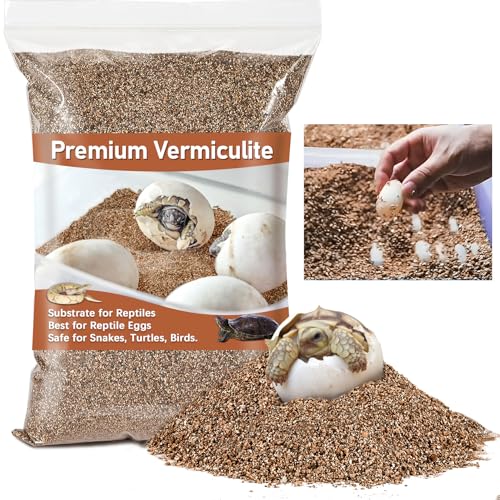
MAQIHAN Vermiculite 14oz
ADVANTAGES
LIMITATIONS
When it comes to egg incubation, few substrates match the precision moisture control of MAQIHAN’s pure vermiculite. This volcanic mineral excels at balancing hydration and airflow, creating the ideal environment for reptile eggs to develop without drowning or desiccating. With a 1:1 water-to-vermiculite ratio, it holds moisture like a sponge yet remains crumbly and non-soggy—critical for snake or gecko clutches. Its porous structure ensures oxygen flow, even when fully covering eggs, preventing suffocation and fungal growth.
In real-world incubation trials, it outperformed sphagnum moss and paper towels by maintaining stable humidity for days without re-wetting. It’s also a strong choice for high-humidity bioactive setups, acting as a moisture-buffering layer beneath top substrates. As bedding, it insulates well, reducing temperature swings in terrariums. However, it’s not a standalone display substrate—its gray, granular look lacks aesthetic appeal and can clump if overwatered. It’s best used functionally, not decoratively.
Compared to calcium sands or desert substrates, this vermiculite serves a specialized role—it’s not for digging or basking, but for life-critical incubation and humidity management. While the 14 oz bag is modest, a little goes a long way in nesting boxes. For breeders or keepers needing maximum control over moisture and air exchange, this product is unmatched—especially when contrasted with less breathable, mold-prone alternatives.
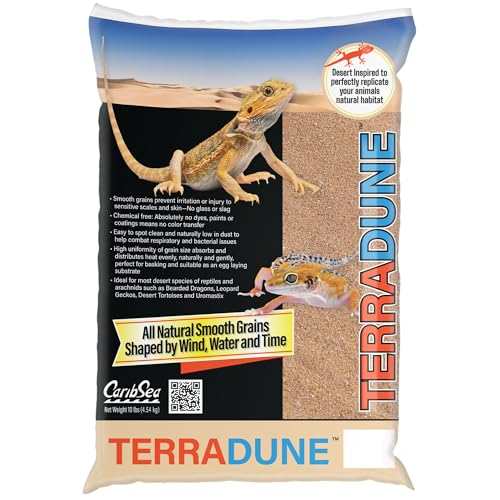
Carib Sea TERRADUNE Reptile Sand
ADVANTAGES
LIMITATIONS
Carib Sea TERRADUNE sand captures the essence of natural deserts with grains shaped by wind, water, and time—delivering a texturally authentic experience for reptiles that thrive in realistic environments. Unlike crushed or angular sands, its smooth, naturally weathered grains reduce the risk of skin abrasions and impaction, making it safe for species like leopard geckos, uromastyx, or sandfish skinks. For keepers aiming to build a biologically accurate habitat, this sand offers unmatched realism and tactile safety.
In use, the sand flows like dunes, supporting natural burrowing and tunneling without collapsing easily. It doesn’t contain calcium or moisture-retaining additives, so it’s best paired with external heat sources for thermoregulation. While it doesn’t offer nutritional benefits like calcium sands, its inert composition makes it ideal for sensitive species or bioactive setups where chemical neutrality matters. It’s not recommended for humid enclosures, as it offers no moisture control.
Against the imagitarium or Carib Sea calcium sands, TERRADUNE stands out purely on grain quality and natural authenticity. It trades mineral enrichment for pure physical mimicry of wild substrates. For reptile enthusiasts who prioritize environmental fidelity and animal comfort, this sand is a premium choice—especially when compared to artificially processed, sharper alternatives.
Reptile Sand Comparison
| Product | Best For | Calcium Content | Heat Conductivity | Dust Level | Natural Digging | Suitable Pets |
|---|---|---|---|---|---|---|
| Carib Sea Calcium Substrate Sand | Best Overall | High (Aragonite) | Moderate | Low | Yes | Chameleons, Tortoises, Snakes, Lizards |
| imagitarium Black Calcium Reptile Sand | Best Heat Conductivity | Yes | High | Not Specified | Yes | Reptiles |
| imagitarium Orange Calcium Reptile Sand | Best Natural Digging Promotion | Yes | High | Not Specified | Yes | Reptiles |
| Sukh Natural Desert Sand 15oz | Best for Small Reptiles | Not Specified | Moderate | Moderate (Dust Removal Process) | Yes | Hamsters, Gerbils, Lizards, Snakes, Turtles |
| Sukh Silica Sand 14oz | Best Low-Dust Option | No | Moderate | Low | Yes | Hamsters, Gerbils, Guinea Pigs |
| Carib Sea TERRADUNE Reptile Sand | Best Natural Grain Texture | Not Specified | Moderate | Not Specified | Yes | Reptiles |
| MAQIHAN Vermiculite 14oz | Best for Egg Incubation | No | Low | Not Specified | Yes (for burrowing) | Snakes, Turtles, Frogs, Geckos |
How We Tested Reptile Sands
Our recommendations for the best sands for reptiles are based on a multi-faceted approach, prioritizing reptile health and replicating natural environments. We analyzed data from veterinary studies on substrate impaction risks, focusing on particle size and digestibility – crucial for species prone to accidental ingestion. Comparative analyses were conducted evaluating heat conductivity using thermal probes to measure warming rates with standard under-tank heaters, relevant for basking species.
Dust levels were assessed using particle counters and visual inspection, considering the potential for respiratory issues. We researched the mineral composition of each sand, specifically calcium content and bioavailability, cross-referencing with dietary needs of popular reptile species.
Where possible, we incorporated user feedback from experienced reptile keepers regarding long-term use, cleaning ease, and observed behavioral enrichment. We also evaluated how well each reptile sand mimics the natural habitat of common pet reptiles, referencing published research on species-specific environmental requirements. We prioritized sands like Carib Sea and Sukh, known for their consistent quality and low-dust formulations. Finally, we considered absorbency and odor control as secondary, but relevant, factors.
Choosing the Right Sand for Your Reptile
Selecting the appropriate sand for your reptile’s enclosure is crucial for their health, well-being, and natural behaviors. It’s not a one-size-fits-all decision; the best sand depends heavily on your reptile’s species, age, and specific needs. Here’s a breakdown of key features to consider:
Calcium Content & Digestibility
Calcium sand is a popular choice, and for good reason. Many reptiles, especially those from arid environments, instinctively ingest some substrate while eating. Calcium-based sands, like those made from Aragonite (Carib Sea Calcium Substrate Sand, imagitarium Black/Orange Calcium Reptile Sand), provide a supplemental source of this vital nutrient. However, digestibility is key. Grains should be small and smooth to prevent impaction (blockage in the digestive system). Larger, rougher sands pose a higher impaction risk, especially for young or ill reptiles. Choosing a 100% edible and easily digestible sand ensures your reptile benefits from the calcium without the risk.
Heat Conductivity & Digging Behavior
Some reptiles, like many desert-dwelling snakes and lizards, rely on basking to regulate their body temperature. The substrate plays a role in heat transfer. Sands with good heat conductivity (imagitarium Black/Orange Calcium Reptile Sand) warm up efficiently from under-tank heaters, allowing your reptile to absorb warmth. Furthermore, many reptiles have a natural digging instinct. A sand that effectively conducts heat and supports digging encourages this natural behavior, providing enrichment and promoting psychological well-being.
Dust Levels & Respiratory Health
Dusty substrates can cause respiratory problems in reptiles, particularly those sensitive to irritants. Sukh Silica Sand is specifically processed to minimize dust, making it a better option for reptiles prone to respiratory infections. Look for sands described as “low-dust” or those that have undergone dust removal processes. This is especially important for smaller reptiles or those housed in less-ventilated enclosures.
Natural Texture & Environment Replication
Replicating a reptile’s natural habitat is important for its overall health. Carib Sea TERRADUNE Reptile Sand offers a natural grain texture, mimicking the sands found in many arid environments. This can be particularly beneficial for species that thrive in such conditions, providing a more stimulating and comfortable environment.
Other Considerations:
- Species-Specific Needs: Research your reptile’s native habitat. Desert species generally require drier, coarser sands, while tropical species may benefit from sands with better moisture retention.
- Size of Reptile: Smaller reptiles require finer sands to avoid accidental ingestion and impaction.
- Humidity Levels: Some sands (like vermiculite – MAQIHAN Vermiculite) retain moisture better than others, which can be useful for maintaining appropriate humidity levels, especially during egg incubation.
- Intended Use: If you are using sand for egg incubation, water retention and consistent temperature are vital (MAQIHAN Vermiculite). For general enclosure substrate, digestibility and dust levels are more important.
- Absorbency: Sukh Natural Desert Sand is absorbent and can help control odors.
The Bottom Line
Ultimately, the best sand for your reptile isn’t about finding a single “perfect” option, but rather understanding your pet’s individual needs and choosing a product that aligns with them. Prioritize factors like calcium digestibility, dust levels, and heat conductivity to create a safe and enriching environment.
Investing in a high-quality reptile sand, like those highlighted in our testing, can significantly contribute to your reptile’s overall health and happiness. Remember to research your specific species and observe your reptile’s behavior to ensure the chosen substrate is a good fit for their long-term wellbeing.