
Guide to Feeding Chilecomadia moorei Butterworms to Dragons
This post contains affiliate links. As an Amazon Associate, we earn from qualifying purchases.
To feed butterworms (Chilecomadia moorei) to your bearded dragon, treat them as a high-value occasional snack, not a staple. Their bright color and scent make them irresistible, but their fat content, which can range from 5% to 29%, demands strict moderation. Offer a few worms once or twice a week, dusted with calcium, as part of a varied diet built around staple feeders like Dubia roaches.
The universal mistake is treating butterworms like candy. Your dragon will act like it’s candy. They wiggle, they smell, they’re bright orange. It’s easy to give in to those pleading beardie eyes and overfeed. That turns a nutritional benefit into a health liability within a couple of months.
This guide covers the exact numbers behind butterworms, why their fat content is so unpredictable, and how to use their standout calcium levels without frying your dragon’s liver. We’ll also walk through sourcing, storage quirks, and step-by-step feeding methods that keep your pet safe.
Key Takeaways
- Butterworms are a treat feeder, not a staple. Their high and variable fat content (5–29%) can cause obesity and fatty liver disease if fed daily.
- Their primary nutritional value is calcium. At roughly 42 mg per 100g, they offer a natural calcium boost, but you must still dust them with supplement powder.
- Store them cold and dry. Keep them in their original container with wheat bran in the fridge at 45–50°F (7–13°C). They will web the substrate together, this is normal.
- Juveniles can have 3–5 worms weekly; adults can have 10–15. Never exceed this. They should make up less than 10% of the overall insect portion of the diet.
- Always remove uneaten worms immediately. A live butterworm left in the enclosure can bite your dragon, causing stress and potential infection.
What Makes Butterworms Different?
Head design changes the entire process. With feeder insects, the nutritional profile dictates everything. Butterworms, the larvae of the Chilean moth Chilecomadia moorei, have a profile that doesn’t fit the standard categories.
Butterworms (Chilecomadia moorei) are imported from Chile, where they feed on the Trevo tree. A USDA-mandated irradiation process upon export sterilizes them, preventing commercial breeding. They typically measure 1/2 to 1 1/4 inches, with a bright orange to brick-red color that visually stimulates bearded dragons.
Their fat content is the big variable. Sources report anywhere from 5% to 29%. The range exists because it depends on the worm’s life stage, the specific batch, and the diet of the worm before harvest. A worm packed with nutrients for pupation will be fattier. You cannot know which batch you have, so you must assume the high end.
TL;DR: Assume every butterworm is a fatty. The reported 5% fat is a best-case scenario you likely won’t see; plan for 20%+ and feed accordingly.
The Calcium Promise vs. The Fat Problem
Their selling point is calcium. At approximately 42 mg of calcium per 100g, they beat most common feeders. Black soldier fly larvae are the only other common feeder with comparable native calcium.
But that calcium comes attached to a lot of fat. This creates a tight trade-off.
| Nutrient | Butterworm (avg.) | Black Soldier Fly Larva | Why It Matters |
|————–|———————–|—————————-|——————-|
| Calcium | 42 mg/100g | 93 mg/100g (per Reptifiles) | BSFL provides more than double the calcium with a fraction of the fat. |
| Fat | 5–29% | 5–9% | Butterworm fat is unpredictable and often much higher, risking obesity. |
| Protein | 15–19% | 17–20% | Comparable; protein isn’t the reason to choose butterworms. |
| Best Use | Weekly calcium treat | Daily staple feeder | BSFL can be fed daily; butterworms cannot. |
You use butterworms for their enticement value and a calcium bump, not as a primary nutrition source. A dragon that refuses other calcium-dusted bugs might eagerly take a butterworm. That’s their niche.
Common mistake: Substituting butterworms for black soldier fly larvae as a daily calcium source, the fat load will outweigh the calcium benefit within a month, leading to weight gain and sluggish behavior.
Why Fat Content Variability Is a Dealbreaker
Wind direction decides whether the head feeds or jams. With feeders, fat percentage decides whether you’re giving a treat or causing harm. The 5–29% range isn’t a minor discrepancy. It’s the difference between a lean protein and a greasy burger.
The lower figure likely comes from younger larvae or less robust testing methods. The higher figure reflects worms harvested later in their cycle, packed with energy stores. Since suppliers don’t grade them by fat content, you must assume every worm in your cup is at the top of that range.
The mechanical reason is simple. Fat is stored energy. A worm nearing pupation converts its food into dense lipids. When your dragon eats it, those lipids are deposited directly as body fat. A bearded dragon’s metabolism isn’t built to process that kind of constant surplus.
I learned this the hard way with a batch of especially plump worms from a new supplier. My adult dragon, Smog, loved them. I got lazy and let them become a semi-regular part of his diet over three weeks. By the fourth week, his usual brisk hunting pace had slowed. The scale showed a 12% weight gain. It took two months of strict greens and lean Dubia roaches to get him back to normal. The worms were from what I now call the “29% batch.”
TL;DR: Treat all butterworms as high-fat. The variability in sourcing means you can’t trust the low end of the scale, so ration them strictly.
How to Source and Store Butterworms Correctly
Most short-haul travelers use a specific carrier. You need a reputable supplier. Butterworms have import restrictions in Hawaii, Louisiana, Oregon, and West Virginia due to agricultural concerns. Any reputable online live feeder store will state these restrictions upfront.
They arrive in a plastic cup filled with a dry substrate like wheat bran or oatmeal. The first time you open it, the substrate might look clumped and webbed together.
That’s normal. They secrete silk to create burrows. It doesn’t mean they’re spoiled.
Storage is non-negotiable. Follow these steps to keep them alive for up to two months:
1. Do not transfer them. Keep them in their original container. The substrate is formulated for the right moisture level.
2. Place the entire cup in the refrigerator. The ideal temperature is 45–50°F (7–13°C). This is warmer than your fridge’s crisper, so use the main shelf.
3. Check weekly for moisture. If you see condensation, the substrate is too wet. Add a teaspoon of dry wheat bran and gently mix. Mold kills a colony in days.
4. Let them warm before feeding. Take out the number you need and let them sit at room temperature for 10 minutes. This makes them more active and appetizing.
Skipping the fridge and leaving them at room temperature cuts their shelf life to about a week. They metabolize faster, consume their fat stores, and become less nutritious.
The Right Way to Feed Butterworms
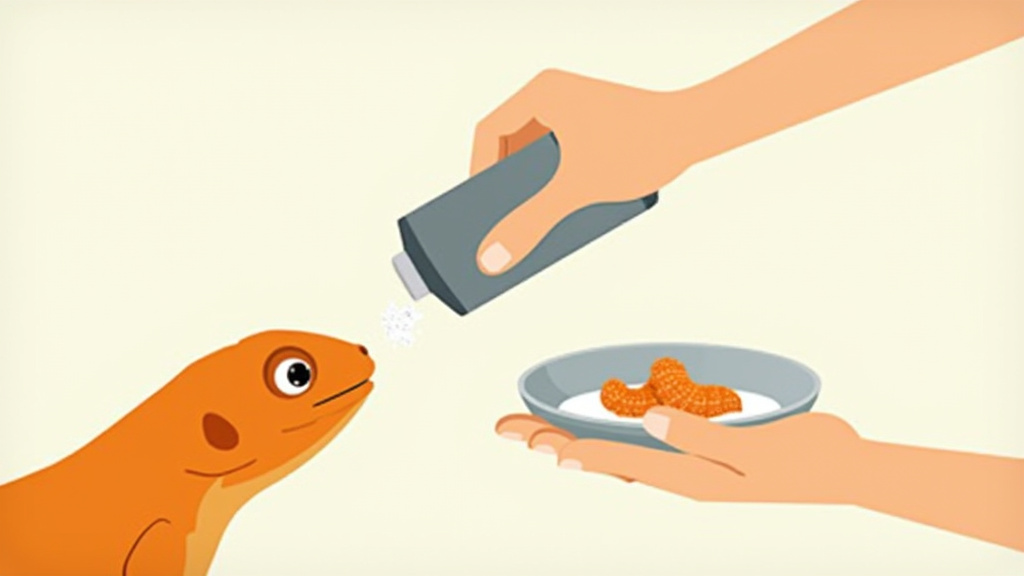
Aim for a 1:2 ratio in 28 seconds. With butterworms, the ratio is treat to staple. They should comprise less than 10% of your dragon’s total insect intake. This isn’t a vague guideline. It’s a guardrail against fatty liver disease.
Here’s the weekly feeding framework based on life stage:
– Hatchlings & Juveniles (<12 months): 0–3 worms, once per week. Their primary diet should be daily staple feeder insects like appropriately-sized Dubia roaches.
– Adults (>12 months): 5–10 worms, once or twice per week. Their diet should be 80% greens and 20% protein, with butterworms as a tiny part of that protein slice.
Before you start: Butterworms can bite. A live worm left unattended in the enclosure may latch onto your dragon’s skin, mouth, or eye, causing injury and stress. Always supervise feedings and remove uneaten worms within 15 minutes.
Step-by-Step Feeding Session
Follow this sequence every time. It prevents overfeeding and ensures safety.
- Prepare the worms. Remove your allotted worms from the fridge and let them warm. If using frozen, ensure they are fully thawed. Soggy, cold worms are a choking hazard and are less enticing.
- Dust with calcium. Place the worms in a small bag or cup with a pinch of calcium powder. Gently shake to coat. Do this even though they’re high in calcium, it guarantees the correct calcium-to-phosphorus ratio for that meal.
- Choose your feeding method. You have two safe options. Bowl feeding uses a shallow, smooth-sided dish to prevent escape. Tongs feeding lets you offer one worm at a time, which is excellent for bonding and portion control.
- Supervise and count. Watch your dragon eat. Count the worms as they go. This stops you from mindlessly doling out extras.
- Remove the dish or leftovers immediately. Any uneaten worm gets taken out. A live worm hiding under decor becomes a hazard.
TL;DR: Dust, count, supervise, remove. Those four actions prevent 90% of butterworm feeding problems.
Butterworms vs. Other Common Feeders
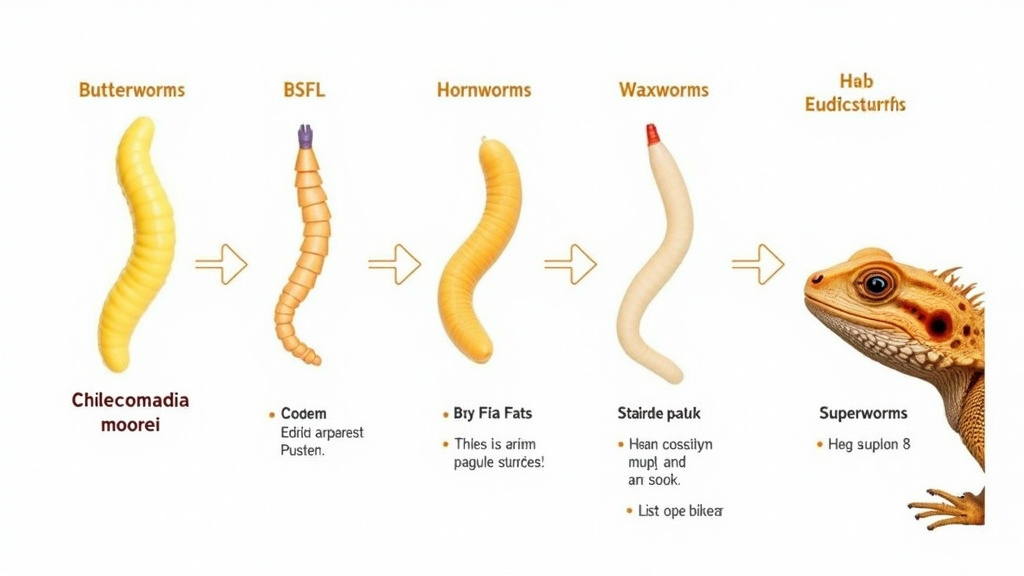
Bamboo wins on slippery yarns. With feeders, each worm wins in a specific category. You need to know which category matters for your dragon’s current needs.
This table shows where butterworms fit in the wider menu of feeder insect options.
| Feeder | Best For | Risk If Used Wrong |
|————|————–|————————|
| Butterworms | Picky eaters; occasional calcium boost | Obesity, fatty liver disease (high fat) |
| Dubia Roaches | Daily staple protein | Impaction if fed too large (harder exoskeleton) |
| Black Soldier Fly Larvae | Daily staple calcium source | None significant; can be fed daily |
| Hornworms | Hydration boost; occasional treat | Diarrhea if overfed (high moisture) |
| Waxworms | Extreme picky eaters; weight gain | Addiction, severe obesity (very high fat) |
| Superworms | Occasional variety for adults | Gut impaction in juveniles (tough chitin) |
Butterworms occupy the same “treat” tier as hornworms and waxworms. Their advantage over waxworms is higher calcium and slightly lower fat. Their advantage over hornworms is a longer shelf life and less mess. They lose to both as a hydration source.
For a balanced diet, your primary protein sources should be Dubia roaches or BSFL. Butterworms are the spice, not the meal.
I prefer butterworms over waxworms for a reluctant dragon, not because they’re healthier in absolute terms, but because the lower fat ceiling gives me more wiggle room. A dragon hooked on waxworms will often refuse all other food. Butterworm addiction is easier to break.
Signs You’re Feeding Too Many Butterworms
Your first dozen shots will channel. The first sign of overfeeding isn’t always weight. It’s behavioral change.
Watch for these three signals:
– Reduced appetite for staples. Your dragon starts ignoring its Dubia roaches or greens, holding out for the “good stuff.”
– Lethargy. A noticeable drop in activity, basking time, or interest in exploring. Excess fat makes them sluggish.
– Weight gain at the tail base. The first fat deposits appear as bulges at the top of the tail, near the body. The belly will also become rounder and softer.
If you see one sign, stop butterworms completely for two weeks. Revert to a strict diet of greens and staple insects. Resume at half the previous frequency only after normal behavior returns.
The starter smells faintly of acetone. For butterworms, the equivalent warning is the smell of the container. If you open their cup and get a sharp, sour, or rotten odor, the batch has gone bad. Do not feed them. The risk of bacterial infection isn’t worth it.
Frequently Asked Questions
Can baby bearded dragons eat butterworms?
Yes, but in extreme moderation. A hatchling or juvenile can have 1-2 very small butterworms once a week at most. Their primary growth needs come from daily feedings of staple insects like pinhead crickets or small dubia roaches. Overloading a baby’s system with fat stunts healthy development.
Are butterworms better than mealworms?
For calcium, yes. For overall diet, it’s situational. Mealworm nutritional value is lower in calcium and higher in chitin, which can cause impaction in young dragons. Butterworms offer more calcium and softer bodies. However, both are treat feeders and should not replace staple insects. An adult dragon can handle occasional superworms or mealworms as part of a varied diet, but butterworms provide a clearer benefit.
Why are butterworms so expensive?
They are wild-harvested in Chile, irradiated for export (which prevents breeding), and subject to import restrictions. This limits supply and increases cost compared to farm-raised feeders like crickets or black soldier fly larvae. You’re paying for a specialty, imported product.
Do I still need to dust butterworms with calcium powder?
Absolutely. While their native calcium is high, the exact Ca:P ratio can vary by batch. Dusting guarantees the correct 2:1 ratio needed to prevent metabolic bone disease. Lightly coat them immediately before feeding.
Can butterworms bite my bearded dragon?
Yes. A live butterworm has mandibles and can bite if provoked or if left crawling on your dragon. This is why supervision and prompt removal of uneaten worms are critical. A bite can cause a small wound, leading to stress or potential infection.
How do I switch my dragon off butterworms if they’re addicted?
Go cold turkey for one week. Offer only their staple insects and favorite greens. During the second week, try offering a different, novel treat like a single hornworm. The key is consistency, don’t give in. Their hunger will eventually override their pickiness. This process mirrors breaking a waxworm addiction and requires patience.
The Bottom Line
Butterworms are a tool, not a solution. Their vibrant color and high calcium make them excellent for enticing a picky eater or providing a periodic nutritional boost. That’s their job.
Their high and variable fat content means they can never be a dietary cornerstone. You must source them from reputable suppliers, store them cold and dry, and feed them with disciplined moderation. Count each worm, dust it, and always clean up after the meal.
Build your dragon’s diet on the foundation of staple feeders and fresh greens. Use butterworms as the occasional highlight. That balance keeps your bearded dragon active, healthy, and eager for the special orange treat that comes around just often enough.