
The Ultimate List of Safe Vegetables for Bearded Dragons
This post contains affiliate links. As an Amazon Associate, we earn from qualifying purchases.
The ultimate list of safe vegetables for bearded dragons prioritizes daily dark leafy greens like collard, mustard, and dandelion greens. Rotate in weekly staples such as butternut squash and bell peppers. Always avoid high-oxalate greens like spinach and toxic items like avocado and rhubarb.
Bearded dragons can eat a wide variety of vegetables, but the healthiest diet relies on dark leafy greens like collard, turnip, and dandelion greens as daily staples, supplemented with occasional veggies like butternut squash and bell peppers, while strictly avoiding high-oxalate plants like spinach and toxic items like avocado. The core principle is matching the vegetable’s nutritional profile, specifically its calcium-to-phosphorus ratio and antinutrient content, to your dragon’s age and health.
Most owners get this wrong by focusing on variety over quality. They offer a little of everything, not realizing that a daily serving of kale or spinach actively blocks calcium absorption. The dragon eats it, the owner feels successful, but the metabolic bone disease sets in quietly over months.
This guide cuts through the noise with a vet-backed, three-tier system. You’ll get the specific daily greens list, the exact vegetables to rotate weekly, and the science behind why common foods fail.
Key Takeaways
- Feed by age: Juvenile dragons need 70% insects, 30% veggies. Adults need the inverse, up to 90% plant matter.
- Size matters: Every piece of vegetable must be chopped smaller than the space between your dragon’s eyes to prevent fatal impaction.
- Oxalates and goitrogens are silent thieves: Foods like spinach and kale bind calcium or disrupt thyroid function; they are weekly treats at best, not daily greens.
- Color is a clue: Dark, leafy greens are almost always better than light, watery ones like iceberg lettuce or celery.
- Calcium powder is non-negotiable: Dust the veggie mix with a phosphorus-free calcium supplement at least 5 times a week for adults.
Why Vegetable Choice Isn’t Just About “Green”
You can’t just grab lettuce. Reptile digestion runs on specific mineral ratios, and getting them wrong has physical consequences you can see and smell.
A bearded dragon’s herbivorous diet must support skeletal integrity through a positive calcium-to-phosphorus balance while avoiding plant defense chemicals that sequester minerals or impair metabolism.
The ideal calcium-to-phosphorus ratio for a vegetable is 2:1 or higher. Phosphorus binds to calcium in the gut, making it unavailable. If your dragon’s salad has a 1:2 ratio, it’s losing more calcium than it gains with every bite. That deficit leads to metabolic bone disease, soft, rubbery jaws, bowed legs, and eventual paralysis.
Oxalates are the other problem. These organic acids, found heavily in spinach, beet greens, and rhubarb, latch onto calcium molecules to form insoluble crystals. The calcium passes right through the dragon unused. Goitrogens in foods like kale, cabbage, and broccoli interfere with thyroid hormone production, potentially leading to goiter and lethargy over time.
The first stool after introducing a high-oxalate green is often chalky and crumbly. That’s the waste product of the bound minerals. If you see that, pull that vegetable from the rotation for a few weeks.
TL;DR: Choose vegetables with more calcium than phosphorus and low oxalate levels. Ignoring this math is how otherwise “healthy” salads cause metabolic bone disease.
How a Bearded Dragon’s Diet Changes With Age
A hatchling’s plate looks nothing like an elder’s. Their protein needs are opposite.
| Life Stage | Plant Matter | Insect Matter | Feeding Frequency |
|---|---|---|---|
| Hatchling (<4 mos) | ~30% | ~70% | Insects 3x daily; veggies offered daily |
| Juvenile (4–12 mos) | ~50% | ~50% | Insects 2x daily; veggies offered daily |
| Adult (12+ mos) | 80–90% | 10–20% | Insects every other day; veggies daily |
Young dragons are growing machines. They need the high protein and fat from insects like dubia roaches and black soldier fly larvae to develop muscle and bone. You can offer finely chopped greens daily, but don’t panic if they ignore them. The goal is exposure.
The shift happens around their first birthday. Their growth slows, and their systems can’t process the same insect load without risking obesity and fatty liver disease. This is when the vegetable portion must dominate. An adult dragon fed a juvenile’s diet will become lethargic, its fat pads on the head will bulge, and its lifespan can shorten by years.
I learned this the hard way with a rescue dragon named Spikes. His previous owner kept him on a diet of superworms and mealworms for three years. When I got him, he was morbidly obese, could barely walk, and refused all greens. It took four months of stubbornly offering collard greens every single day before he took a bite. His mobility improved within six weeks of the diet change.
TL;DR: Babies need bugs, adults need salads. Forcing too many veggies on a juvenile or too many insects on an adult creates avoidable health crises.
The 3-Tier Feeding System: Staple, Occasional, and Treat Vegetables
This system removes the guesswork. It’s based on calcium-phosphorus data from reptile nutrition databases and veterinary feeding guides.
Daily Staple Vegetables
These are your workhorse greens. They have high calcium, low phosphorus, and minimal antinutrients. Offer one or two of these every day.
- Collard Greens: The gold standard. A Ca:P ratio around 14.5:1. They are low in oxalates and goitrogens.
- Turnip Greens: Another top performer. Rich in calcium and vitamin A. They are a reliable base for any salad.
- Dandelion Greens: Exceptionally nutritious if foraged from a pesticide-free yard. High in calcium and beta-carotene.
- Endive / Escarole: A good, slightly bitter green that adds variety.
- Mustard Greens: Use in rotation, not alone, due to mild goitrogen content.
These are not just “safe.” They are actively beneficial. A salad of collard greens and dandelion greens forms a complete mineral foundation.
Occasional Vegetables (2-3 Times per Week)
This tier adds color, texture, and specific vitamins. Mix one into the daily staple base.
- Butternut Squash: Great source of vitamin A. Must be peeled, seeded, and grated or lightly steamed.
- Bell Peppers (Red, Yellow, Orange): High in vitamin C. Remove all seeds and stem pieces.
- Green Beans: Offer cooked and chopped. They provide fiber.
- Zucchini: Hydrating and soft. Easy to digest when grated.
- Arugula: A peppery option. Use in small amounts mixed with sweeter greens.
Common mistake: Feeding bell peppers with the seeds and stem, the stem is indigestible and the seeds can cause impaction in small dragons. Deseed thoroughly.
Treat Vegetables (Once a Week or Less)
These have higher oxalates, goitrogens, or unbalanced minerals. They are flavor enhancers, not nutrition sources.
- Kale: The controversial one. High in calcium but also high in goitrogens. A small piece once a week is fine.
- Carrots: High in vitamin A but also high in sugar. Grate a small amount.
- Brussel Sprouts: Can cause gas. Offer one small, cooked sprout chopped finely.
- Parsley: High in oxalates. A tiny sprinkle is enough.
- Asparagus: Another occasional item. Cook and chop a single spear tip.
The official bearded dragon diet guide from a leading veterinary hospital confirms this tiered approach, emphasizing staple greens for primary nutrition.
TL;DR: Build every salad on a daily staple green. Add one occasional vegetable for variety. Use treat vegetables like spices, a tiny amount for interest, not sustenance.
Vegetables to Avoid Completely
Some plants are toxic. Others are nutritional voids. This list is non-negotiable.
- Avocado: Contains persin, a fungicidal toxin that causes cardiac distress and death in reptiles.
- Rhubarb: Leaves are intensely high in oxalic acid, which can cause rapid kidney failure.
- Onion, Garlic, Leek, Chives: All alliums contain thiosulfates, which cause hemolytic anemia in reptiles, destroying red blood cells.
- Iceberg Lettuce, Celery: They are mostly water and fiber. They fill the dragon up without providing vitamins or minerals, leading to malnutrition.
- Spinach, Beet Greens: Extremely high in oxalates. They will bind calcium even from other foods in the same meal.
- Mushrooms: Contain hard-to-digest compounds and can harbor bacteria dangerous to reptiles.
- Eggplant: High in oxalates and solanine, a glycoalkaloid poison.
If your dragon accidentally ingests a piece of avocado or onion, contact an exotic veterinarian immediately. For the others, like spinach, a single bite isn’t a crisis, but habitual feeding is.
How to Prepare Vegetables for Safe Eating
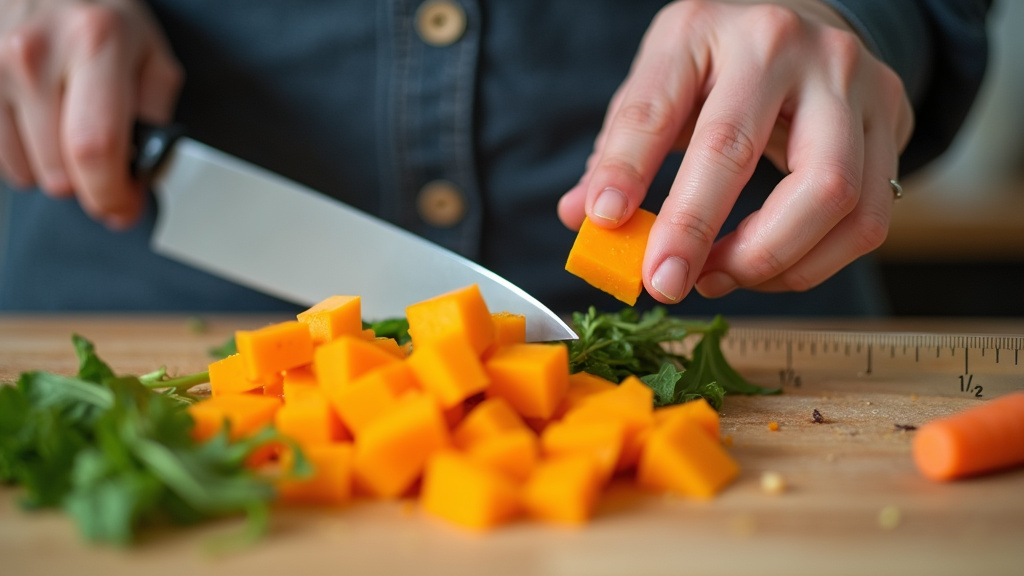
Preparation is where impaction happens. The rule is absolute.
Before you start: Wash all produce, even organic, to remove pesticide residues and soil bacteria. Use a sharp knife; a dull one crushes cells and leaches nutrients. Never use seasoning, oil, butter, or dressing.
- Wash Thoroughly. Rinse under cool running water. For leafy greens, I submerge them in a bowl of water with a splash of white vinegar for five minutes, then rinse again. This removes more pesticides than water alone.
- Chop to Size. The piece must be smaller than the distance between your dragon’s eyes. For an adult, this is roughly 1/4 to 1/2 inch squares. Use a ruler at first. This step prevents choking and fatal gut blockages.
- Prepare Hard Vegetables. Butternut squash, carrots, and sweet potato need peeling. Then, grate them or chop them finely. You can steam them for 3-4 minutes to soften, but let them cool to room temperature completely before serving. Raw is always better if the dragon will eat it.
- Mix the Salad. Combine your staple green with one or two other veggies. Variety encourages eating.
- Dust with Supplement. Just before serving, place the salad in a bowl, sprinkle with a phosphorus-free calcium powder (with D3 if no UVB light), and toss lightly.
Skipping the size check is the most common error. A piece that’s too large can lodge in the throat or, worse, the intestines. The first sign is a lack of bowel movements followed by lethargy and leg dragging. It’s an emergency vet visit.
What If Your Bearded Dragon Won’t Eat Vegetables?
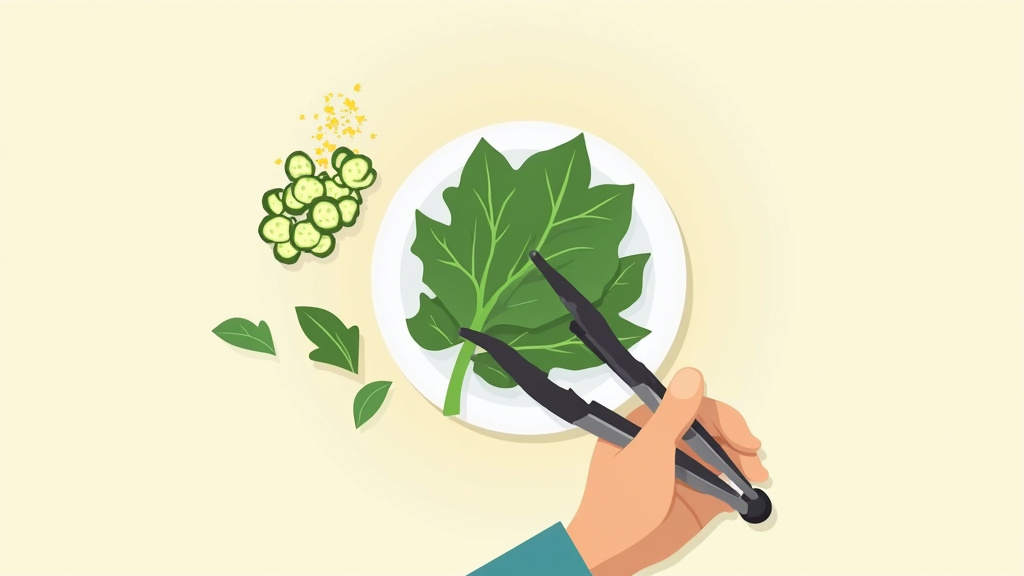
Picky eaters are standard, especially for juveniles and dragons raised on insects. The strategy is persistence, not force-feeding.
- Start Early: Offer greens daily from the day you bring your dragon home, even if they ignore them.
- Use Movement: Wiggle a piece of green bean or arugula leaf with feeding tongs. The motion can trigger a feeding response.
- Insect Topping: Place a couple of live, gut-loaded crickets or a single wiggling dubia roach on top of the salad. The dragon will grab the insect and often get a mouthful of greens in the process.
- Bee Pollen Sprinkle: A tiny dusting of 100% pure bee pollen over the salad is a powerful attractant for many dragons. The sweet, fragrant smell encourages investigation.
- Remove Competition: Feed the vegetable salad in the morning, when the dragon is hungriest. Offer insects later in the day.
- Try Different Textures: Some dragons prefer grated zucchini or mashed cooked green beans over leafy pieces.
My stubborn rescue dragon finally started eating greens when I used the bee pollen trick. I put a pinch on his collard greens three mornings in a row. On the fourth day, he ate the greens first, hunting for the pollen. After a week, I stopped the pollen, and he kept eating the greens.
TL;DR: Make greens the first food of the day, use bee pollen or insect toppings as bait, and never give up. Consistency overrides pickiness.
Frequently Asked Questions
Can bearded dragons eat tomatoes?
Tomatoes are acidic and high in sugar. A single, de-seeded cherry tomato piece once a month is the absolute maximum. The acidity can upset their digestive tract, and the sugar offers no nutritional benefit.
How often should I feed my bearded dragon vegetables?
Adults should get a fresh vegetable salad every single day. Juveniles should have a small amount offered daily, though they may only nibble. The complete diet list for bearded dragons from a dedicated herpetology site confirms daily vegetable offerings are essential for long-term health.
Do I need to cook the vegetables?
Most should be served raw to preserve vitamins. Only hard vegetables like butternut squash, carrots, and sweet potato benefit from light steaming to soften them, making them easier to digest and reducing choking risk. Always cool cooked veggies completely.
Can I feed my bearded dragon frozen vegetables?
You can use frozen peas, carrots, or green bean mixes as a last resort. Thaw them completely, rinse to remove any added salt, and chop to size. Frozen veggies lose some texture and nutritional value, so fresh is always superior. Never feed them frozen.
What about fruits?
Fruits like berries, mango, and papaya are high-sugar treats. They should constitute no more than 5% of an adult’s diet, think one blueberry or a thin slice of mango once a week. Overfeeding fruit leads to diarrhea, tooth decay, and obesity.
Is kale really bad for bearded dragons?
Kale isn’t poison, but it’s not a daily green. Its goitrogen content means feeding it daily could suppress thyroid function over time. It has a good Ca:P ratio, so a small piece mixed into a weekly salad is perfectly safe. The danger is in making it the primary green.
The Bottom Line
Forget complicated charts. Your dragon’s vegetable diet boils down to three actions. First, pick a daily staple green, collard, turnip, or dandelion greens are the pillars. Second, chop every piece smaller than its eye width. Third, dust that salad with calcium powder five days a week.
Rotate your staples every few weeks and add a colorful occasional vegetable like chopped bell peppers or grated zucchini for interest. Watch their stool and their energy. A healthy dragon on the right vegetables is active, alert, and produces firm, well-formed droppings.
The wrong vegetable diet doesn’t fail loudly. It fails slowly, over seasons, as minerals drain and bones soften. Get the staples right, be ruthless with the chop, and the rest is just garnish.