
What Fruits Can Bearded Dragons Eat? The Safe List & Rules
This post contains affiliate links. As an Amazon Associate, we earn from qualifying purchases.
Bearded dragons can eat certain fruits like mango, blueberries, and papaya, but only as occasional treats, no more than 5% of an adult’s total diet. Always remove seeds and pits, avoid citrus fruits and avocado entirely, and cut fruit into pieces smaller than the space between your dragon’s eyes.
Most owners get this wrong because they see their dragon eagerly snatch a blueberry and think fruit is a healthy staple. It’s not. That enthusiasm is for the sugar, not the nutrition.
This guide covers the exact safe list, the mechanical reasons behind every rule, and a step-by-step method to introduce fruit without risking obesity or metabolic bone disease.
Key Takeaways
- Fruit should never exceed 5% of an adult bearded dragon’s diet. For a juvenile, it’s closer to 2%.
- Citrus fruits (oranges, lemons) and avocado are banned. Citrus pH irritates the gut lining; avocado contains persin, a toxin that causes cardiac damage in reptiles.
- Every seed and pit must be removed. Apple seeds contain amygdalin, which converts to cyanide in the digestive tract.
- The best fruits offer some nutritional payoff: papaya for vitamin A, blueberries for antioxidants, mango for fiber.
- If your dragon refuses its staple greens after getting fruit, stop fruit for two weeks. The sugar preference overrides hunger for more nutritious food.
The 5% Rule: Why Fruit is a Treat, Not a Staple
An adult bearded dragon’s diet breaks down to 50% dark leafy greens, 25% insect protein, 20% other vegetables, and a maximum of 5% fruit. The NC State veterinary hospital feeding guide confirms these percentages. Juvenile dragons need more protein and less plant matter, so their fruit allowance drops to about 2%.
That 5% isn’t a weekly quota. It’s a ceiling for the entire month.
Fruit sugar fermenting in a bearded dragon’s gut produces lactic acid. This shifts the gut pH, slowing digestion of the actual staples, the greens and insects, and can lead to bacterial imbalances within 48 hours of a large serving.
The dental reason is less immediate but more destructive. Reptile dental studies note that simple carbohydrates like fruit sugars promote plaque biofilm. In bearded dragons, that biofilm mineralizes into hard calculus around the teeth, leading to gingivitis and tooth loss over a year or two of regular fruit feeding.
TL;DR: Fruit is a monthly treat, not a weekly one. Its sugar disrupts gut pH and promotes dental disease.
What Fruits Can Bearded Dragons Eat? The Approved List
The safe list is shorter than most blogs suggest. Prioritize fruits that bring a vitamin or fiber benefit alongside the sugar.
| Fruit | Best Nutritional Payoff | Maximum Frequency | Critical Prep Step |
|---|---|---|---|
| Mango | Vitamin A, Fiber | Once monthly | Remove the fibrous pit and any stringy flesh |
| Blueberries | Antioxidants, Vitamin C | Twice monthly | Wash thoroughly; no prep needed |
| Papaya | Vitamin A, Digestive enzymes | Once monthly | Remove all seeds; skin is optional |
| Cantaloupe melon | Vitamin A, Hydration | Once monthly | Remove rind; cut only the flesh |
| Peaches | Vitamin C, Beta-carotene | Once monthly | Pit must be removed; skin can stay |
| Raspberries | Fiber, Manganese | Twice monthly | Check for mold; serve fresh |
| Blackberries | Antioxidants, Vitamin K | Twice monthly | Wash; squish to check for hardness |
Fruits like banana and apple are safe but nutritionally poor, mostly sugar and water. Offer them only if your dragon already loves them and you’re using them as a rare bonding treat.
Common mistake: Feeding watermelon weekly for hydration, the water content dilutes nutrient absorption from the core diet, and the dragon starts refusing calcium-rich greens after three consecutive servings.
The fruits you must never feed form a short, absolute ban list.
– Citrus fruits (oranges, lemons, grapefruit): Their citric acid pH sits around 2.0–3.0. A bearded dragon’s digestive tract pH is closer to 7.0. The acid irritates the mucosal lining, causing discomfort and diarrhea.
– Avocado: Contains persin, a fungicidal toxin harmless to humans but cardiotoxic to reptiles. Even a small piece can cause fluid accumulation around the heart.
– Rhubarb: The oxalic acid concentration is so high it binds calcium immediately, risking acute hypocalcemia.
The Science of No: Oxalates, Seeds, and Sugar
Why can’t they eat pear seeds? Why is kiwi limited? The answers are in specific compounds.
Oxalates are organic acids that bind with calcium and other minerals in the gut, forming insoluble crystals the body cannot absorb. Fruits like kiwi, raspberries, and blackberries contain moderate oxalate levels. Feeding them weekly leaches calcium from the diet, leading to weak bones over months.
I fed kiwi twice a week to a rescue dragon for a month because he loved it. His next bloodwork showed a 15% drop in serum calcium. We stopped the kiwi, boosted his calcium supplements, and his levels normalized in six weeks. Now kiwi is a twice-a-year birthday treat.
Seeds and pits are dangerous for two reasons. Physical blockage is one. Chemical toxicity is the other. Apple and pear seeds contain amygdalin, a compound that metabolizes into hydrogen cyanide in the digestive system. Cherry pits contain cyanogenic glycosides. Peach and plum pits are less toxic but can still cause intestinal obstruction.
The sugar problem is about metabolism. Bearded dragons convert sugar into fat efficiently. Their natural diet in the Australian outback is low in simple sugars. High sugar intake leads to hepatic lipidosis, fatty liver disease, visible in blood tests after six months of weekly fruit treats.
How Often Can I Feed Fruit? A Real Schedule
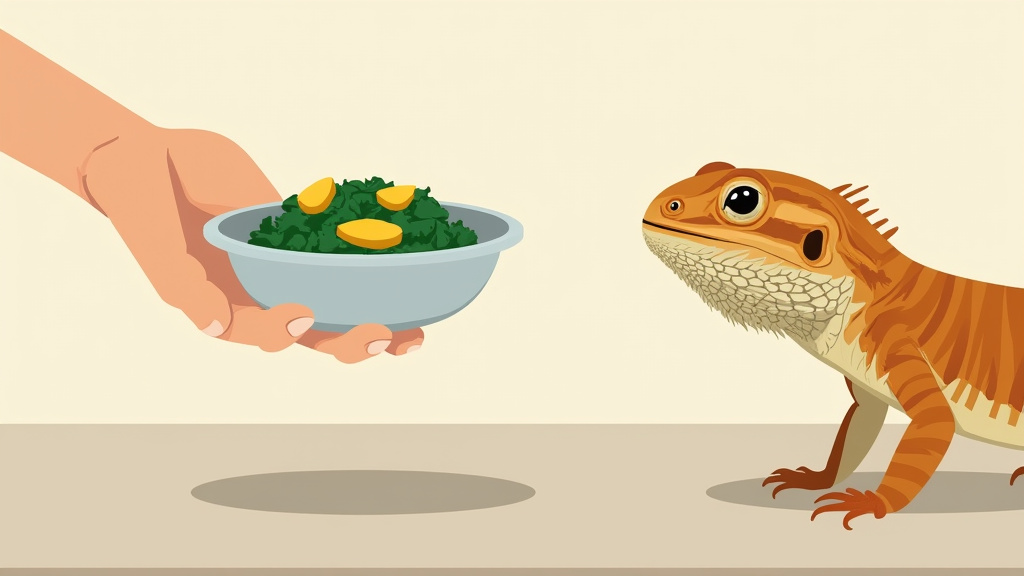
The schedule depends on your dragon’s age, health, and what else they’re eating.
For healthy adults:
- One fruit treat per month is safe.
- If you use fruit to encourage greens eating, limit it to two times per month, and always mix the fruit pieces directly into the greens.
- Never feed fruit on the same day you offer insect protein. The combined digestion load slows gut motility.
For juveniles (under 12 months):
- Fruit is a distraction. Their growth requires protein and calcium.
- Offer fruit once every two months, if at all.
- A single blueberry mashed into a piece of collard green is enough.
For dragons with health issues:
- Obese dragons: zero fruit until weight normalizes.
- Dragons with metabolic bone disease: zero fruit until calcium levels are stable for three months.
- Dragons with kidney issues: zero fruit, the sugar and mineral load stresses renal function.
Here’s a sample monthly meal plan for a healthy adult:
1. Weeks 1–3: Daily staples of collard greens, dubia roaches, bell peppers.
2. Week 4: One “treat day” with 3–4 small pieces of mango mixed into the greens.
3. Immediately return to staples the next day.
The dragon will sometimes look for the fruit the next day. Ignore the begging. Return to the staple routine.
Step-by-Step Fruit Prep: From Market to Mouth

This isn’t just chopping. It’s risk mitigation.
- Select and buy. Pick ripe, unblemished fruit. Overripe fruit has higher sugar concentration. Underripe fruit can be hard to digest.
- Wash under cool running water. This removes surface pesticides and dirt. Pat dry with a clean cloth.
- Remove all seeds, pits, and tough skins. Use a sharp knife. For mango, cut away the pit and the fibrous flesh attached to it. For peaches, slice around the pit. For berries, inspect for tiny stems.
- Cut into dragon-sized pieces. The piece should be no larger than the space between your dragon’s eyes. This prevents choking and ensures easy digestion.
- Skip this step, and a piece can lodge in the throat. You’ll see gagging motions and neck stretching within minutes of feeding.
- Mix with staples. Add 2–3 fruit pieces to a bowl of chopped collard greens or mustard greens. The dragon will eat the fruit first, then often continue with the greens.
- Serve and observe. Place the bowl in the enclosure. Watch for 10–15 minutes. If the dragon eats everything and remains active, success. If it ignores the greens after eating the fruit, note that for next time, use less fruit or a different mixing method.
- Clean up. Remove any uneaten fruit after 30 minutes. Fruit left in the warm enclosure ferments quickly, attracting mites and bacteria.
Before you start: Wash your hands before handling fruit and after. Human bacteria like E. coli can transfer to the dragon’s food. Use a clean cutting board and knife, cross-contamination from onion or garlic residues can cause digestive upset in dragons.
Which Fruits Are Best? A Ranking by Nutrient Value
If you’re going to use a treat, pick one that does some good.
Top Tier (Offer once monthly):
- Papaya: Vitamin A supports eye and skin health. The papain enzymes aid protein digestion.
- Mango: Vitamin A and fiber. The fiber helps regulate gut transit time.
- Cantaloupe: Vitamin A and water. Useful for hydration in dragons that don’t drink from bowls.
Mid Tier (Offer twice monthly, smaller portions):
- Blueberries: Antioxidants combat cellular oxidation. Vitamin C supports immune function.
- Blackberries: Similar antioxidants, plus vitamin K for blood health.
- Raspberries: High fiber content aids digestion.
Low Tier (Offer only if dragon already favors them):
- Banana: Mostly potassium and sugar. Can bind calcium if fed too often due to potassium-calcium competition.
- Apple: Water and sugar. The pectin fiber is beneficial, but the nutritional payoff is low.
- Watermelon: Hydration and sugar. Almost no vitamins.
This ranking helps you choose. If your dragon loves banana, it’s fine as a rare treat. But if you’re introducing fruit, start with papaya or mango for the nutrient benefit.
The Danger of Mixing: Fruit and Insect Digestion Clash
Feeding fruit on the same day as insects is a common error. The digestive timeline clashes.
Insects (like dubia roaches or crickets) require high-protein, high-acid digestion. Fruit requires sugar fermentation in a more neutral pH environment. When both are present, the gut prioritizes the sugar fermentation. The insect protein sits undigested longer, leading to gas, bloating, and sometimes regurgitation.
The symptom is a lethargic dragon with a distended belly about four hours after the meal.
Common mistake: Giving a few blueberries after a roach feeding, the dragon seems fine initially, but by evening it’s sluggish and may pass undigested insect parts in its feces the next morning.
Separate the treats. Feed insects on one day, greens on another, and fruit on a third distinct day. This keeps the digestive enzymes specialized and efficient.
Frequently Asked Questions
Can bearded dragons eat strawberries?
Yes, but only occasionally. Strawberries are high in sugar and contain moderate oxalates. Wash them, remove the leafy stem, and cut into tiny pieces. Offer once or twice a month at most.
Can bearded dragons eat grapes?
Grapes are safe if you peel them and cut them into quarters. The skin can be tough to digest, and the seedless variety is best. Due to high sugar, limit grapes to once a month.
How do I know if my bearded dragon likes a new fruit?
Offer one tiny piece mixed into its regular greens. If it eats the fruit immediately and continues eating, it’s a hit. If it ignores the fruit or eats only the fruit then walks away, it’s not a favorite. Never force a fruit.
Can fruit cause diarrhea in bearded dragons?
Absolutely. The sugar and water content, especially in melons, can lead to loose stools within 24 hours. If diarrhea occurs, stop all fruit for two weeks and ensure your dragon drinks water to stay hydrated.
Is dried or canned fruit safe?
No. Dried fruit has concentrated sugar and often added preservatives. Canned fruit sits in syrup with extreme sugar levels. Both are dangerous and can cause rapid weight gain and digestive upset.
Before You Go
Fruit for bearded dragons is a spice, not a ingredient. That 5% rule is a real ceiling, exceeding it risks dental disease, fatty liver, and calcium deficiency.
Always remove seeds and pits. The chemical toxins in them are real, not speculative.
Pick fruits like mango or papaya when you do offer a treat. They provide a vitamin payoff alongside the sugar.
If your dragon starts refusing its greens after getting fruit, cut out fruit completely for a while. The staple diet is what keeps them healthy for a decade or more; fruit is just a momentary pleasure.