
What to Feed Baby Bearded Dragons: The 0–6 Month Diet Plan
This post contains affiliate links. As an Amazon Associate, we earn from qualifying purchases.
To feed a baby bearded dragon, offer a diet of 70-80% live insects and 20-30% finely chopped leafy greens, fed twice daily. Every insect feeding must be dusted with calcium powder, and insects must never be larger than the space between the dragon’s eyes. This specific ratio and supplementation support rapid bone and tissue growth during the first critical six months.
Most new owners get the ratio backwards. They see a tiny lizard and think it needs mostly salad, or they panic and overfeed one type of insect. The baby beardie ignores the greens, the owner stops offering them, and by month four you have a reptile that will only chase superworms. That addiction is hard to break.
This guide walks through the exact insects, greens, and supplements your hatchling needs. We will cover daily schedules, portion sizes, and the mistakes that lead to impaction or nutritional deficiencies.
Key Takeaways
- Feed baby bearded dragons twice per day, offering as many appropriately-sized insects as they will eat in a 10-15 minute session.
- The staple insect list is short: dubia roaches, crickets, and black soldier fly larvae (nutrigrubs). Superworms and mealworms are weekly treats only.
- Dust every insect feeding with calcium powder without D3. Add a multivitamin once a week and calcium with D3 two to three times weekly.
- Remove uneaten crickets immediately. They will bite a sleeping dragon, causing stress sores and food refusal.
- Start offering finely chopped greens daily from day one, even if the dragon ignores them. The habit matters more than immediate consumption.
The 70/30 Rule: Protein vs. Greens
A baby bearded dragon’s metabolism is built for growth. In the wild, this means consuming every moving protein source it can catch to outpace predators. In captivity, that biological drive translates to a 70-80% insect to 20-30% greens ratio by volume for the first six months. This is not a suggestion. It is the physiological requirement for developing bone density and muscle mass without metabolic bone disease.
A hatchling bearded dragon requires a diet of approximately 70% live insect prey and 30% plant matter. This high-protein intake supports a growth rate that can see them increase from 4 inches to 12 inches or more within their first six months of life.
Ignore the ratio, and the dragon still grows—just poorly. The skeleton softens. The jaw becomes rubbery. You will see a crooked spine or tremors in the limbs by month three. I learned this the expensive way with my first clutch. I fed a 50/50 mix, thinking it was safer. Two of the six developed mild metabolic bone disease before their first shed. The vet bill was three times the cost of the proper insects I should have been buying.
TL;DR: Protein drives growth for the first six months. Feed 70-80% insects, 20-30% greens. Skimp on protein, and you risk metabolic bone disease.
What Insects to Feed (And How Often)
Not all insects are equal. You have staples, moderates, and strict no-gos. The difference is fat content, chitin hardness, and nutritional value after gut-loading.
| Insect Type | Feeding Frequency | Best For | Risk If Overfed |
|---|---|---|---|
| Dubia roaches | Daily staple | Growth, lean protein, easy to digest | Low risk; ideal primary feeder |
| Crickets | Daily staple | Encourages hunting behavior | Can bite dragon if left uneaten |
| Black soldier fly larvae | Daily staple | High natural calcium | Can pupate if not refrigerated |
| Superworms | 1–2 times per week | Treat, high appetite appeal | Addiction, fatty liver disease |
| Mealworms | 1–2 times per week | Treat for older babies (>4 months) | Impaction risk in young hatchlings |
| Hornworms | 1–2 times per week | Hydration boost | Diarrhea if fed in excess |
The daily staples are your workhorses. Dubia roaches are the best. They are meatier, quieter, and don’t smell like crickets. A small dubia roach (1/4-inch) is perfect for a hatchling. Crickets are fine, but you must gut-load them with carrot or commercial feed 24 hours prior. Black soldier fly larvae, sold as NutriGrubs or Calciworms, are a secret weapon. They have a near-perfect calcium-to-phosphorus ratio right out of the cup.
The moderate feeders are where people wreck their dragon’s health. Superworms are crack cocaine. A dragon will refuse all other food after a week of daily superworms. I had a juvenile go on a three-month hunger strike, waiting for his fix. He finally broke, but he lost noticeable weight. Mealworms have a tough chitin shell that can cause impaction in dragons under four months old. Their fat content is also high. Hornworms are fantastic for hydration but will give your dragon watery stool if you offer more than one or two per week.
The Critical “Space Between the Eyes” Rule
That old rule about insect size is not about choking. It is about impaction. An insect wider than the space between your dragon’s eyes is too large for its gastrointestinal tract to process efficiently. The gut can’t break down the exoskeleton, and the mass gets stuck. This is a surgical emergency.
For a hatchling fresh from the breeder, this means 1/4-inch crickets or pinhead dubias. At two months, move up to 3/8-inch feeders. By four to five months, 1/2-inch insects or small adult dubias are safe. Always err on the side of smaller. Two appropriately-sized insects are better than one that’s slightly too big.
Common mistake: Offering a few large insects instead of many small ones — the large insect’s exoskeleton forms a plug in the gut, leading to impaction within 24-48 hours. The dragon stops pooping, becomes lethargic, and may regurgitate.
If you are unsure, measure. Use a ruler against the dragon’s head. This feels obsessive, but it prevents a $400 vet visit for an enema. I keep a small plastic ruler in my feeder bin for this exact reason.
Greens and Veggies: Start Early, Chop Fine
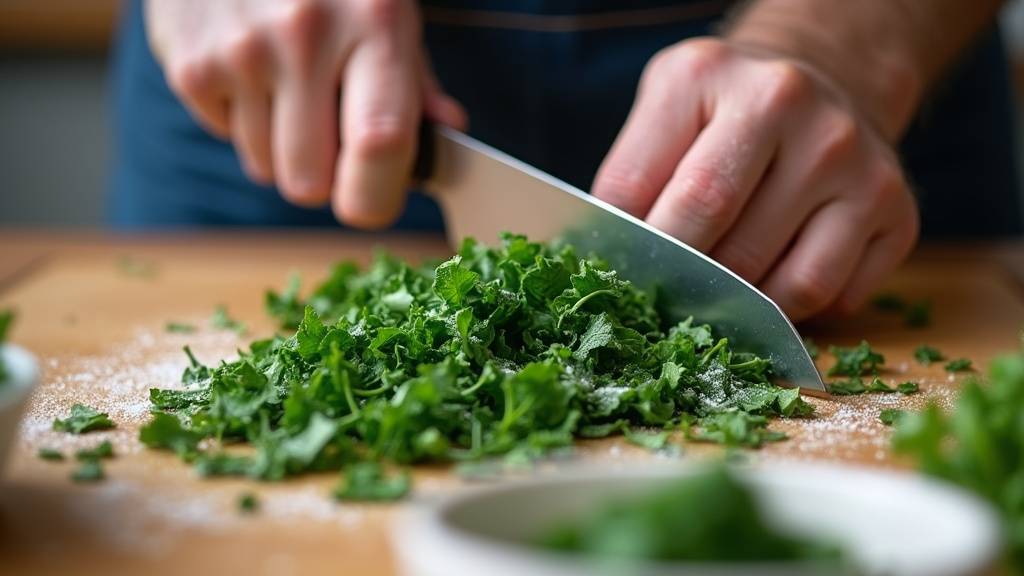
Your baby dragon will likely ignore its salad bowl for the first few weeks. Put it in there anyway. Every single morning, place a small mound of finely chopped collard, mustard, or turnip greens in a shallow dish. The goal is not consumption today. It is habit formation for month five, when the diet must begin to shift.
Why these greens? Calcium and low oxalates. Collard greens have a calcium-to-phosphorus ratio of about 14.5:1. Mustard greens are 4.5:1. Oxalates bind calcium, making it unavailable. Spinach and beet greens are high in oxalates and are not suitable staples. Romaine and iceberg lettuce are mostly water with negligible nutrition.
Shred the greens finely. A hatchling’s jaw isn’t strong enough to tear large leaves. I use a chef’s knife and chop until the pieces are no larger than a dime. This also helps the supplements stick when you lightly dust the greens with calcium powder once a week.
A short list of daily greens:
- Collard greens
- Mustard greens
- Turnip greens
- Dandelion greens (ensure no pesticide exposure)
- Endive
- Escarole
A short list of occasional veggies (offer 1-2 times weekly):
- Grated squash (butternut, acorn)
- Finely chopped bell pepper (red, yellow)
- Shredded carrot
Fruits are monthly treats only. A single blueberry or a tiny piece of mango is plenty. Sugar content is the enemy.
The Non-Negotiable Supplementation Schedule
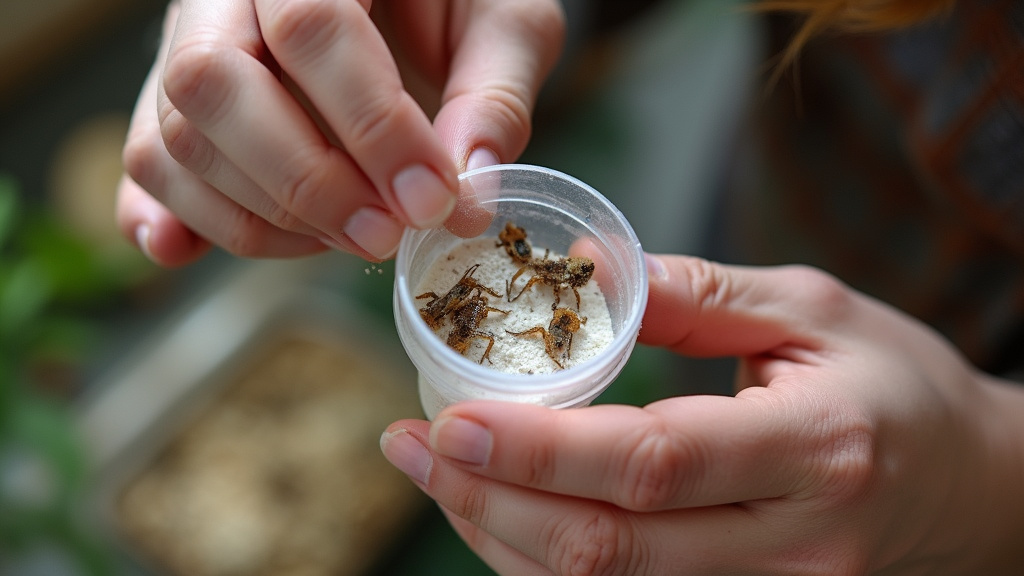
Food alone is not enough. Captive insects and greens lack the full spectrum of vitamins and minerals found in a wild, varied diet. You must add them back via dusting.
Here is the weekly schedule that prevents 90% of common health issues:
- Calcium WITHOUT D3: Dust insects at every feeding. This provides the raw material for bone growth. Use a pure calcium carbonate powder.
- Calcium WITH D3: Use this 2–3 times per week, replacing the plain calcium dusting. D3 aids calcium absorption. If you are using a high-output T5 HO UVB bulb mounted inside the enclosure at the correct distance, you can reduce this to once weekly. The dragon synthesizes its own D3 from the UVB.
- Multivitamin: Use a reptile-specific multivitamin like Repashy Supervite or Herptivite once per week. This covers vitamins A, E, and trace minerals. Overdosing on fat-soluble vitamins is dangerous, so stick to once weekly.
The method matters. Do not dump powder into the insect bin. Place the insects in a plastic deli cup, add a tiny pinch of powder, and swirl. You want a light, even coat, not a clumpy paste. For greens, a light sprinkle from a salt shaker works.
I won’t use a multivitamin that contains beta-carotene as the sole source of Vitamin A for growing dragons. Some dragons cannot convert it efficiently. I look for a supplement that includes pre-formed Vitamin A (retinol) or use Repashy Supervite, which has a balanced blend. A Vitamin A deficiency shows up as swollen eyes and poor shedding.
How Many Crickets to Feed a Baby Bearded Dragon?
Do not count crickets. Feed by time and behavior. Offer as many appropriately-sized insects as your dragon will actively hunt and eat in a 10 to 15-minute period, twice a day. A hungry hatchling might consume 20-50 small crickets across two feedings. A slower eater might take 15-30.
The better metric is appetite. At the start of the session, the dragon will pounce. As it gets full, the strikes become slower and less accurate. When it misses twice in a row or starts ignoring prey, stop. Remove all uneaten insects immediately. This is the single most ignored step in a comprehensive feeding guide.
Leaving crickets in the enclosure is an invitation for disaster. Crickets are omnivores. They will nibble on a sleeping dragon, especially around the eyes and toes. Those tiny bites cause stress, open sores, and can make the dragon associate feeding time with pain. I have seen a dragon refuse food for a week after a night of cricket bites.
Hydration: More Than a Water Bowl
Bearded dragons are desert animals. They are adapted to get most of their moisture from food. Your primary hydration tools are fresh greens and gut-loaded insects. However, always provide a shallow, sturdy water dish. Change the water daily.
The most effective hydration method is gentle misting. Lightly mist the dragon’s head and the greens in the morning. They will lick the droplets. Do not mist the enclosure substrate, as this raises humidity and can cause respiratory infections. A weekly warm soak (15 minutes in shallow 85°F water) can also aid hydration and help with shedding.
Common Feeding Mistakes and How to Avoid Them
Even with the right food, execution fails. Here are the pitfalls.
Mistake 1: Feeding in a loose substrate enclosure. A hungry dragon will strike at an insect and get a mouthful of sand or mulch. This is a direct cause of impaction. Feed in a bare-bottom tank, on a tile floor, or in a separate plastic feeding bin.
Mistake 2: Not gut-loading feeder insects. You are what your food eats. Feeding a cricket nothing for 24 hours before offering it to your dragon is like serving an empty calorie. Gut-load with high-calcium greens, carrots, and commercial gut-load diets.
Mistake 3: Assuming a hunger strike is normal. A healthy baby bearded dragon is a voracious eater. If it refuses food for more than 48 hours, check temperatures first. The basking spot must be 100-105°F for proper digestion. If temperatures are correct, consider a vet visit for parasites.
Mistake 4: Transitioning to an adult diet too early. The shift from 70/30 to 30/70 (greens/insects) happens gradually after six months. Do not cut back on protein before your dragon is at least 16 inches long and growth has visibly slowed. A premature switch stunts development.
Transitioning to a Juvenile and Adult Diet
Around the six-month mark, growth slows. You will notice your dragon becoming less frantic at feeding times. This is your cue to begin a gradual transition.
- Months 6-9: Shift to a 60/40 insect-to-greens ratio. Reduce feeding to once per day.
- Months 10-12: Move to a 50/50 ratio. You can start skipping insect days, offering insects 4-5 days per week.
- 12+ months (Adult): The diet stabilizes at 20-30% insects and 70-80% greens. Feed insects 2-3 times per week.
The balanced bearded dragon diet for an adult is built on a foundation of nutritious leafy greens like collard and dandelion, with protein as a supplement. The early, protein-heavy phase is what makes that strong, healthy adult possible.
Frequently Asked Questions
Can baby bearded dragons eat fruit?
They can, but they shouldn’t make a habit of it. Fruit is high in sugar and low in the calcium a growing dragon needs. Offer a tiny piece of berry or melon as a monthly treat, not a dietary staple. For a full list of options, review our guidelines on occasional fruit treats.
Why won’t my baby bearded dragon eat its greens?
This is completely normal for the first few months. Their instinct is to chase moving prey. Continue offering finely chopped greens daily. As they age and their protein needs decrease, they will naturally begin to sample and then consume the salad. Consistency is key.
How do I know if I’m feeding enough insects?
well-fed baby bearded dragon has a slightly rounded belly after eating but should not look bloated. It should be active, alert, and growing steadily. If it finishes all offered insects quickly and still actively hunts, offer a few more next time. The cricket quantity for babies is less about a fixed number and more about observing satiety.
What if my dragon only wants one type of insect?
This is a food addiction, usually to superworms or mealworms. The solution is tough love. Stop offering the preferred insect entirely for two to three weeks. Continue offering staple insects like dubia roaches. The dragon may refuse food for a few days, but it will eat when hungry. Breaking the habit early is easier than dealing with an obese, unhealthy adult.
Are there any insects I should never feed?
Yes. Never feed fireflies (lightning bugs)—they are toxic and fatal. Avoid wild-caught insects due to pesticide risk. Also avoid insects like butterworms and waxworms as staples; they are too high in fat for regular consumption.
The Bottom Line
Raising a baby bearded dragon is a protein-intensive project for the first half-year. Your job is to provide a constant stream of appropriately-sized, gut-loaded insects, dusted with the right supplements at the right time. Start the greens habit early, even if it feels pointless. Watch the insect size like a hawk. Remove uneaten crickets without fail.
Get this foundation right, and you will have a robust, healthy juvenile ready to transition smoothly to an adult optimal dragon diet. The effort you put into these first six months pays off for the next fifteen years.